Development is no longer
just a promise,
but a reality
unfolding on the ground
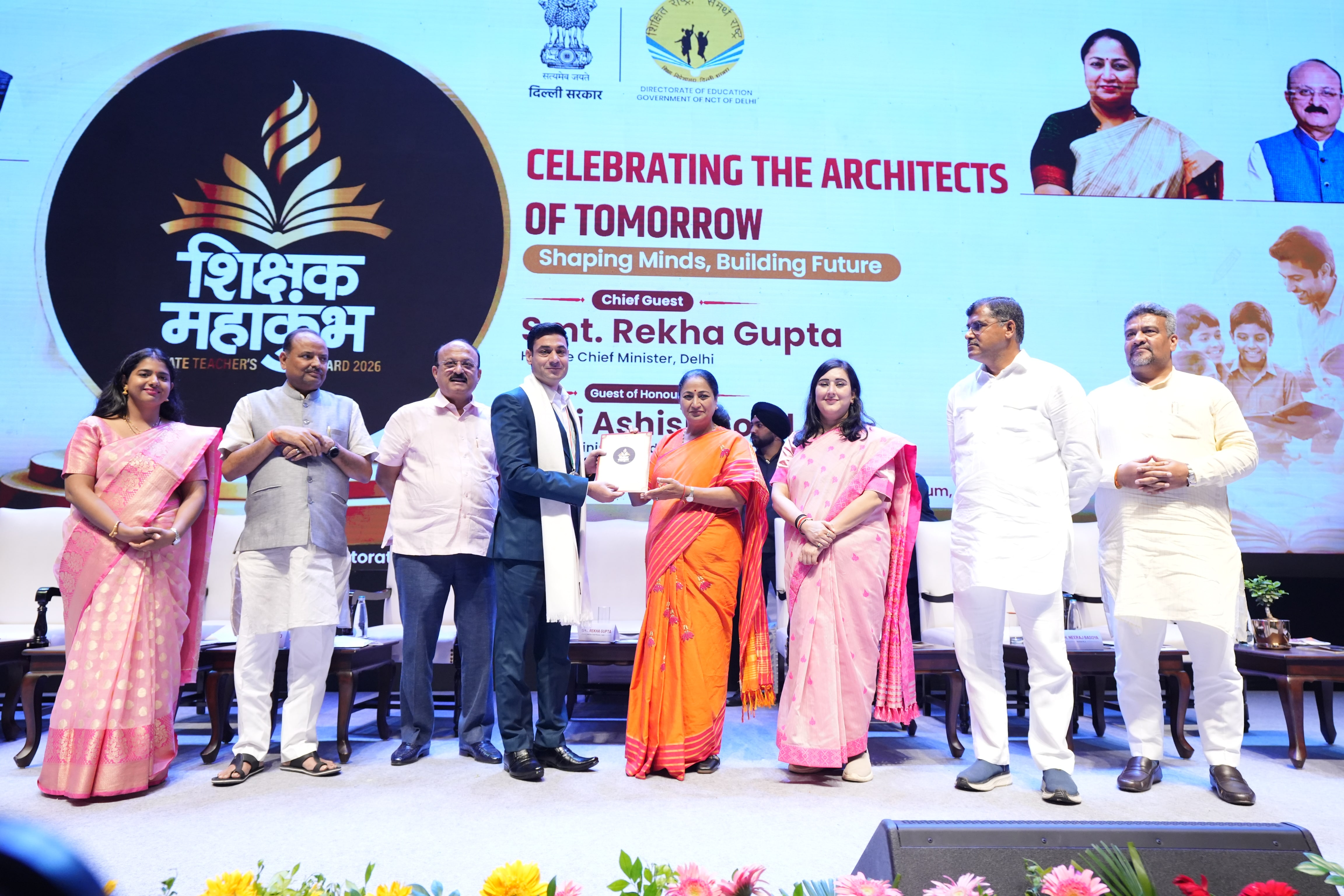
Chief Minister Smt. Rekha Gupta honoured 118 outstanding teachers at 'Shikshak Mahakumbh - State Teachers Awards 2026' at Thyagaraj Stadium on the occasion of Teachers' Day, recognising teachers across categories including Heads of Schools, DoE and MCD school teachers, CM Shri School teachers, librarians, special educators and sports teachers for their exceptional contribution to shaping the future of Delhi's students. CM Rekha Gupta said teachers are the strong foundation of society, imparting not just textbook knowledge but values, skills, confidence and a sense of duty that shapes entire generations. The Delhi government has allocated ₹19,148 crore for education in 2026-27, with 170 modern language labs being established across 70 CM Shri Schools and 100 other government schools, alongside initiatives such as Neev, Rashtraneeti, and NIPUN Sankalp to strengthen entrepreneurship, innovation, foundational literacy, and democratic values among students. Education Minister Ashish Sood announced that the recruitment process for 10,417 teachers has been initiated alongside provision for 613 special teachers to support students with special needs, reaffirming the government's commitment to resolving longstanding HR and service-related issues for guest and regular teachers alike. CM Rekha Gupta expressed confidence that with the support of dedicated teachers and the Delhi government's continued efforts, the resolve of 'Viksit Delhi' alongside 'Viksit Bharat 2047' will gain new strength and momentum.
Read More...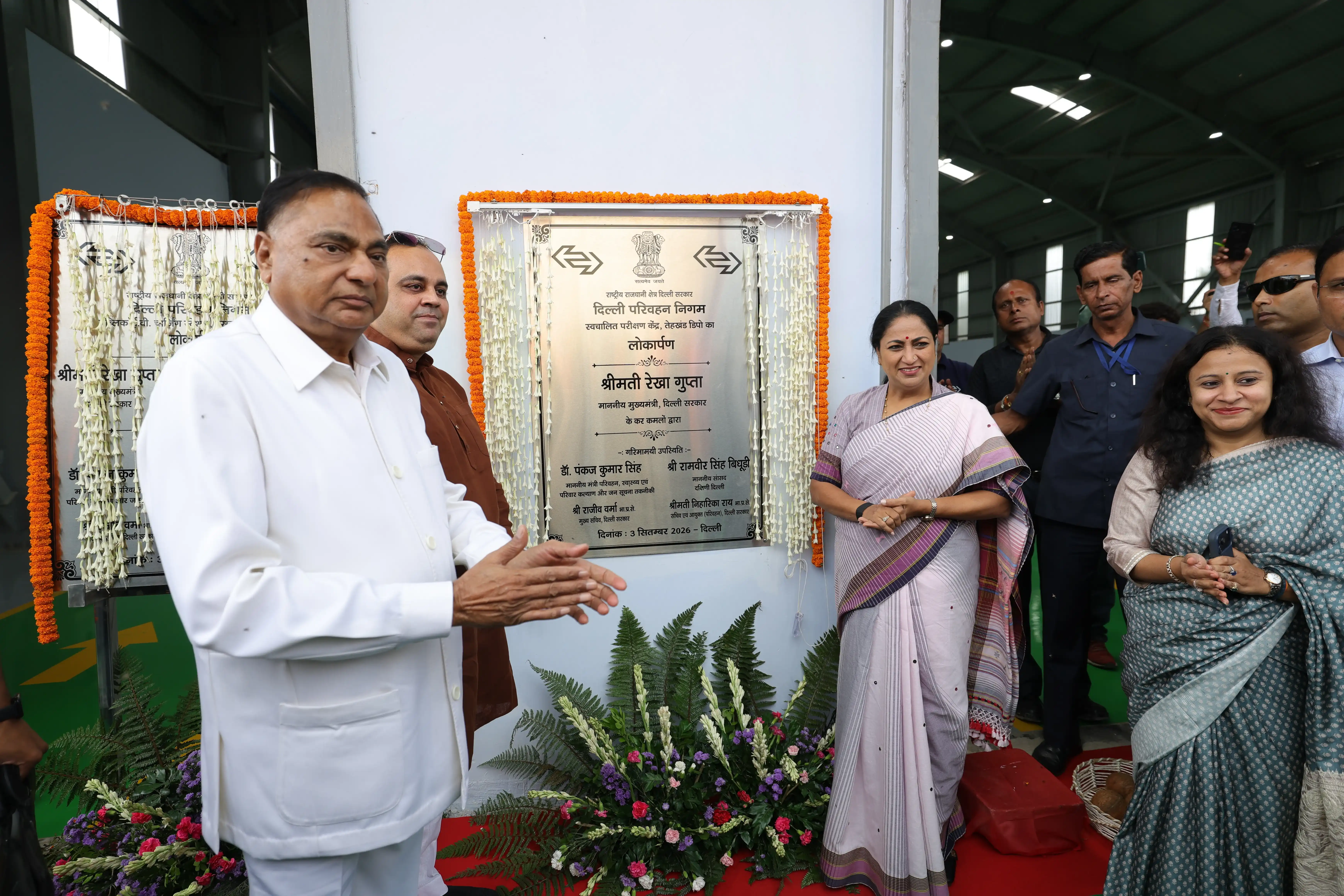
Chief Minister Smt. Rekha Gupta launched several major public transport initiatives, inaugurating Delhi's second Automated Testing Station at DTC's Tehkhand Depot, flagging off 50 new zero-emission electric buses, launching an interstate e-bus service between Dhaula Kuan and Rewari, and inaugurating public EV charging stations at Hasanpur and Ghazipur depots - taking Delhi's total bus fleet to around 6,840 buses, including 5,088 electric buses, making Delhi the city with the country's largest electric bus fleet. The four-lane Automated Testing Station at Tehkhand - equipped for braking, suspension, headlight alignment, emission and underside checks - will test around 72,000 vehicles annually, including heavy, light motor vehicles and two-wheelers, through a fully automated process that reduces human intervention and ensures transparency. CM Rekha Gupta said Delhi's vehicle owners had earlier been forced to travel outside the capital for fitness testing, and modern ATS facilities were now being made available within Delhi itself. The newly launched Delhi-Rewari interstate e-bus service will operate on the Dhaula Kuan–Gurugram–Manesar–Dharuhera–Rewari route, covering approximately 86 km at a fare of ₹153, with services running from 6:05 am to 6:00 pm.CM Rekha Gupta reaffirmed the government's four priority areas for transport — safety, sustainability, seamless connectivity and smart infrastructure — announcing that old and dilapidated bus shelters across Delhi will be modernised alongside the expanding EV fleet. She also urged women to obtain their Pink Cards before September 17, after which the Pink Ticket system will be discontinued, with 18 lakh women already enrolled. Transport Minister Dr Pankaj Kumar Singh reaffirmed the government's commitment to moving DTC from debt to profitability while delivering clean, safe and reliable transport for every Delhiite.
Read More...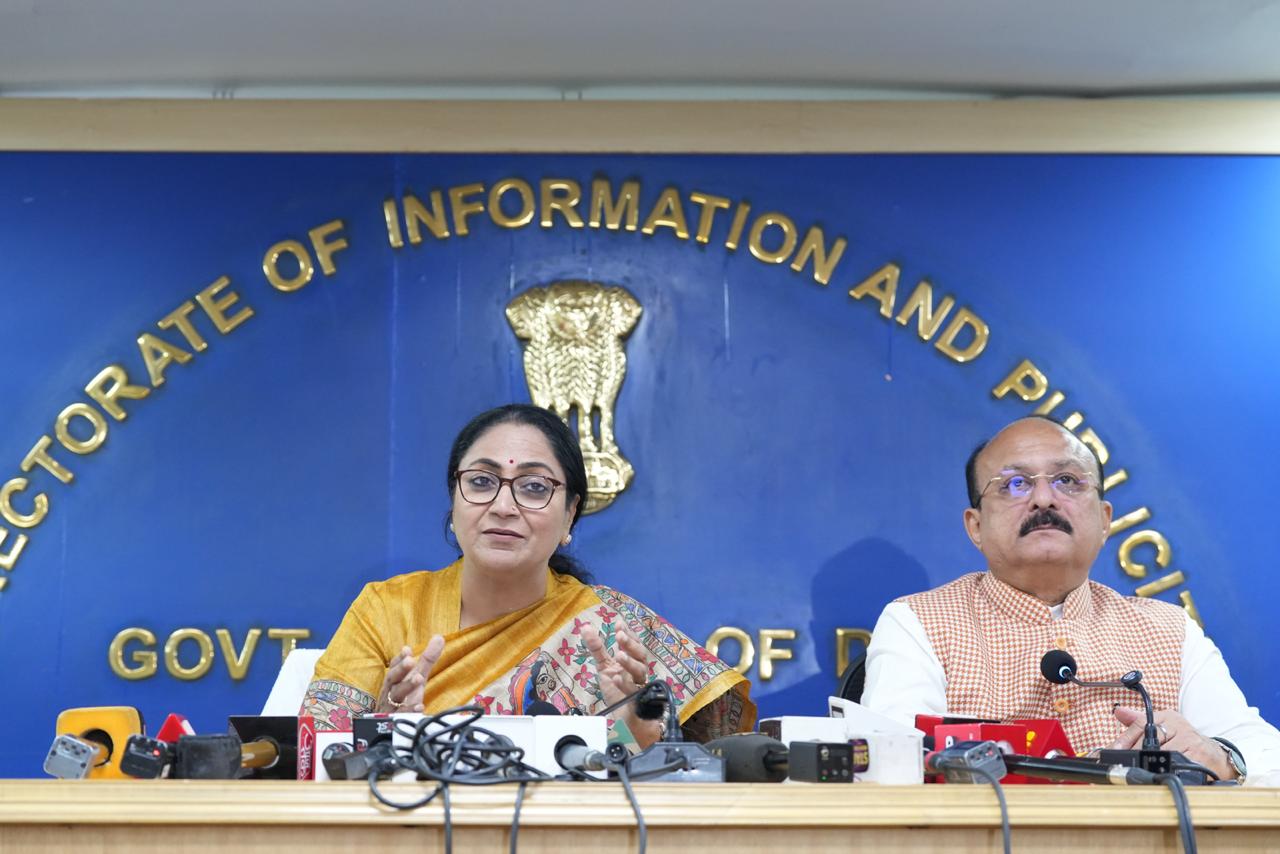
Delhi government has introduced the second amendment to the Delhi Solar Energy Policy 2023, offering rooftop solar systems of up to 3 kW at absolutely zero upfront cost to domestic consumers with average monthly consumption of up to 400 units - combining the Central government's subsidy of ₹78,000 with an equal Delhi government capital subsidy of ₹78,000, with any remaining cost fully covered through an additional top-up, ensuring no financial burden on eligible households. Consumers using up to 200 units will continue to receive the existing 100% electricity subsidy alongside solar benefits, while surplus electricity exported to the grid will be paid for at the average power purchase cost of the Discom - turning every eligible Delhi household into an energy generator. Solar vendors will provide free operation and maintenance for the first five years, with consumers able to opt for continued maintenance through electricity distribution companies for the full 25-year lifespan of the system. The net metering process has been reduced from 75 days to just 25 days, and application and registration fees for residential systems up to 10 kW have been completely waived. The government has set a target of installing solar systems on 2.30 lakh rooftops and adding 500 MW of additional rooftop solar capacity by March 2027, with IPGCL selecting vendors through competitive bidding to ensure quality and competitive pricing.
Read More...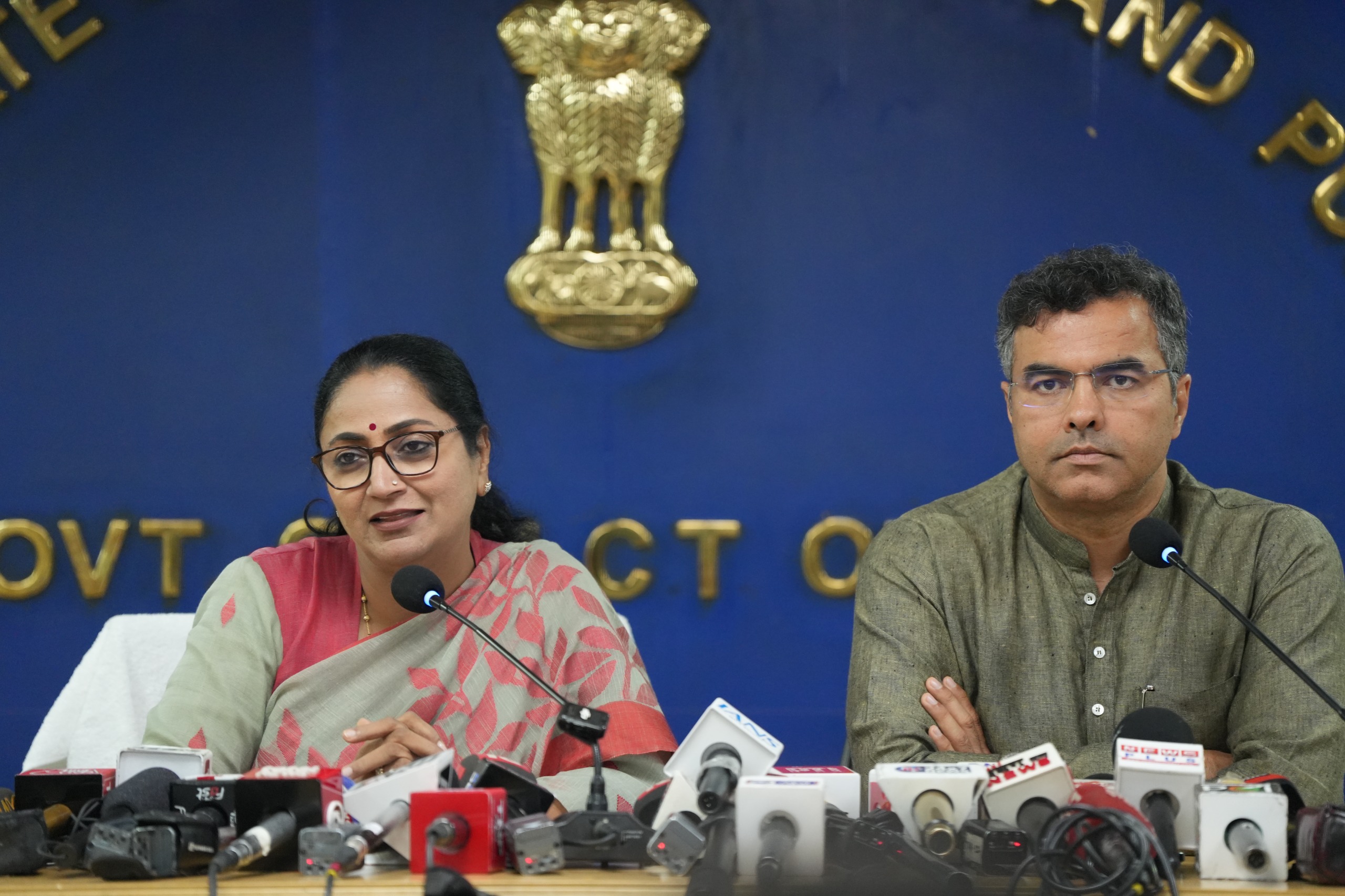
Chief Minister Smt. Rekha Gupta outlined a comprehensive vision for transforming Delhi's water and sewer infrastructure, announcing a ₹2,500 crore ADB loan - approved through the Union Ministry of Finance - for two projects worth ₹1,741 crore to modernise the Wazirabad Water Treatment Plant command area, covering around 836 km of water distribution network across major residential areas including Mukherjee Nagar, Model Town, Jahangirpuri, Pitampura, Shalimar Bagh, Paschim Vihar and Ashok Vihar. The projects will introduce SCADA, smart metering, District Metered Areas and non-revenue water monitoring to bring water losses down to 15 percent, with 100 percent metering of consumer connections and 24x7 pressurised water supply as the ultimate goal. A separate ₹11,427 crore investment plan for West and Southwest Delhi — proposed through the Urban Challenge Fund with 25% Central, 25% Delhi Government and 50% loan or PPP funding — will benefit lakhs of residents by strengthening nearly 3,830 km of network, while new water treatment plants in Dwarka, Chandrawal and Bawana and UGRs in Bijwasan, Palla and Siraspur have already been completed. On sewerage, work has been completed in unauthorised colonies at a cost of around ₹2,012 crore, providing household sewer connections to over 1,28,633 households, with work ongoing in hundreds more colonies. CM Rekha Gupta also announced that around 483 MGD of treated wastewater will be repurposed for horticulture, construction, industrial cooling and landscaping at ₹5–8 per kilolitre - moving Delhi decisively towards a circular water economy and ensuring that every drop of water is treated as a resource, not a waste.
Read More...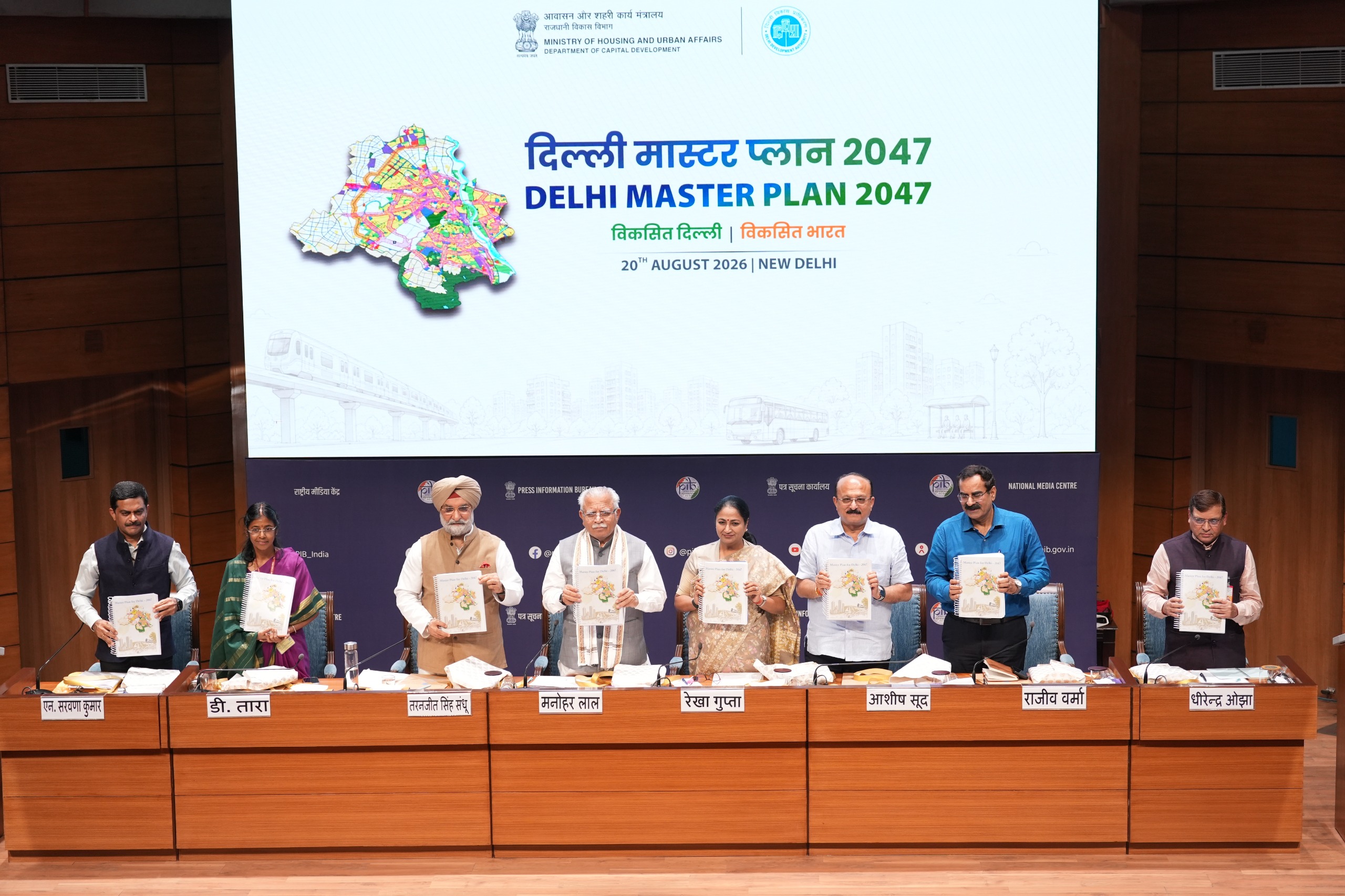
Chief Minister Smt. Rekha Gupta announced that Delhi Master Plan 2047 - a comprehensive, balanced and future-oriented development roadmap has been presented to the people of Delhi, expressing heartfelt gratitude to Prime Minister Narendra Modi, Union Housing and Urban Affairs Minister Shri Manohar Lal and Lieutenant Governor Sardar Taranjit Singh Sandhu for making this long-awaited milestone a reality through strong Centre-Delhi coordination. CM Rekha Gupta said Delhi's population is projected to reach 3.20 crore by 2047, making it essential to develop 30-40 lakh new homes with a special focus on affordable housing and redevelopment of old residential colonies with higher FAR and modern amenities. In line with 'Jahan Jhuggi, Wahan Makan', slum settlements will be redeveloped through the PPP model in coordination between DDA and the Delhi government, providing eligible families with dignified housing. On transport, the Metro network will expand from 416 km to 695 km, with 52 km of cycle tracks along the Yamuna, multimodal hubs, last-mile connectivity and integrated bus and RRTS development forming the backbone of Delhi's future mobility. To strengthen Delhi's economy, commercial activities will be permitted on the ground floor on roads 30 metres or wider, while space has been created for data centres, integrated industrial parks, co-working spaces, startup hubs and cloud kitchens. In a major governance reform, 133 categories of land use have been reduced to 45, with GIS-linked land-use plans, Transferable Development Rights and a single-window online system introduced for TOD, Change of Land Use and layout plan approvals - ensuring Delhi moves towards its Viksit Delhi@2047 vision with clear direction, better planning and renewed confidence.
Read More...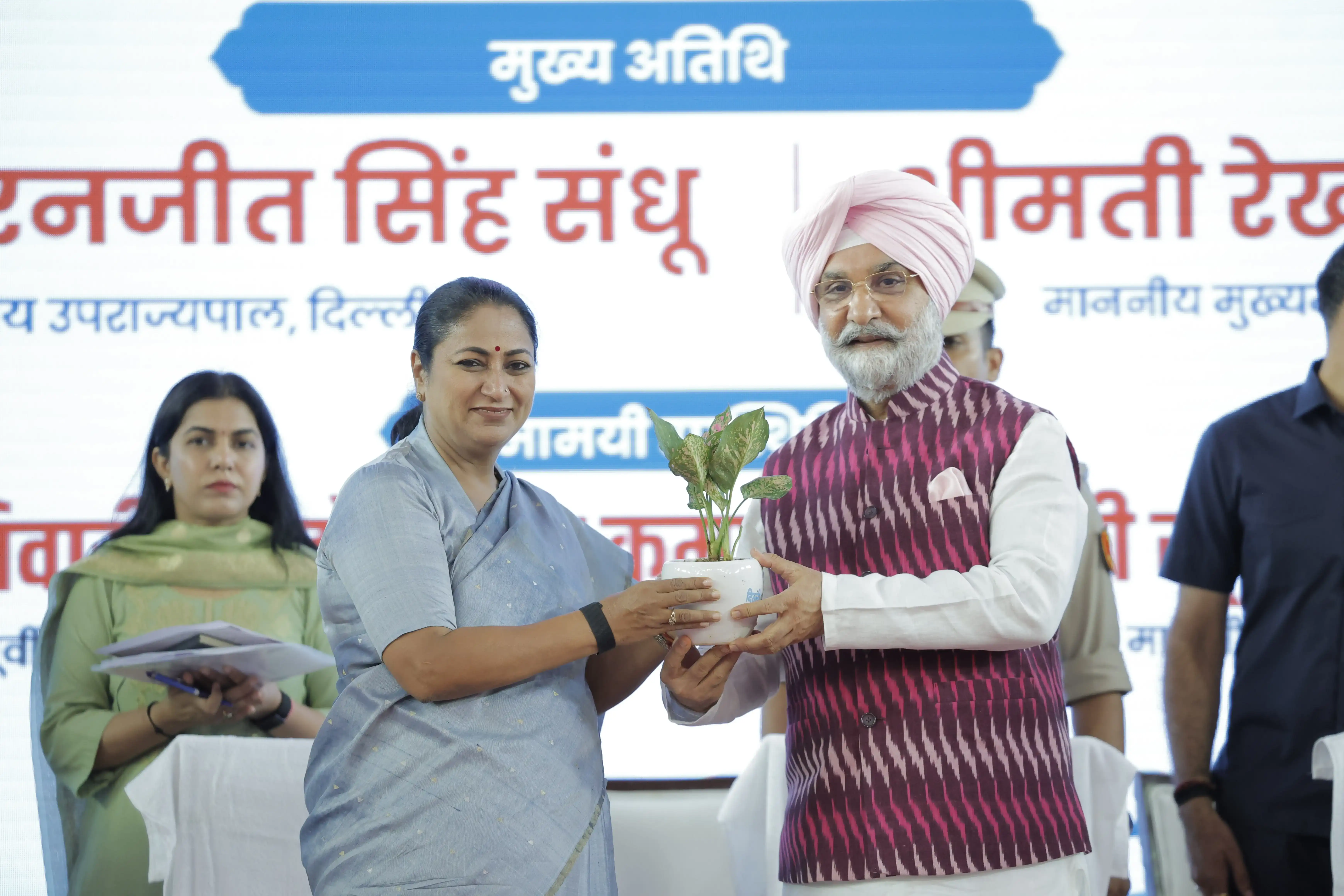
Delhi’s green public transport network received a major boost as CM Smt. Rekha Gupta and LG Taranjit Singh Sandhu flagged off 200 new zero-emission electric buses from the Delhi University Sports Complex, taking the capital’s electric bus fleet to more than 5,000 and the total bus fleet to around 6,800. The new fleet comprises 88 12-metre EV buses and 112 DEVI 9-metre EV buses, all low-floor and air-conditioned. The Delhi-Karnal interstate e-bus service was also launched with five air-conditioned electric buses, operating 10 trips daily in each direction. The fare from Kashmere Gate to Karnal has been fixed at around ₹212, with the route covering Singhu Border, Rai, Bahalgarh, Murthal, Gannaur, Samalkha, Panipat, Gharaunda and Madhuban. To strengthen safe and convenient travel for women and female students, 56 dedicated women-only e-bus services have been introduced, including 30 Ladies Special trips on 15 high-demand routes and 26 University Ladies Special trips on 13 routes. Women police personnel and Home Guards have been deployed on these services, while panic buttons installed in the buses have been integrated with the Delhi Police 112 PCR emergency response system. A public EV charging station at DTC’s Rajghat Depot-1 was also inaugurated, equipped with four 240 kW EV chargers and supported by a 1,600 kVA compact sub-station. During 2026, Delhi added 500 electric buses in February, 300 in March, 200 in April, 300 in July and another 200 in August. The Delhi Government aims to expand the city’s bus fleet to around 14,000 buses by 2028-29, with all DTC buses planned to be converted to electric vehicles.
Read More...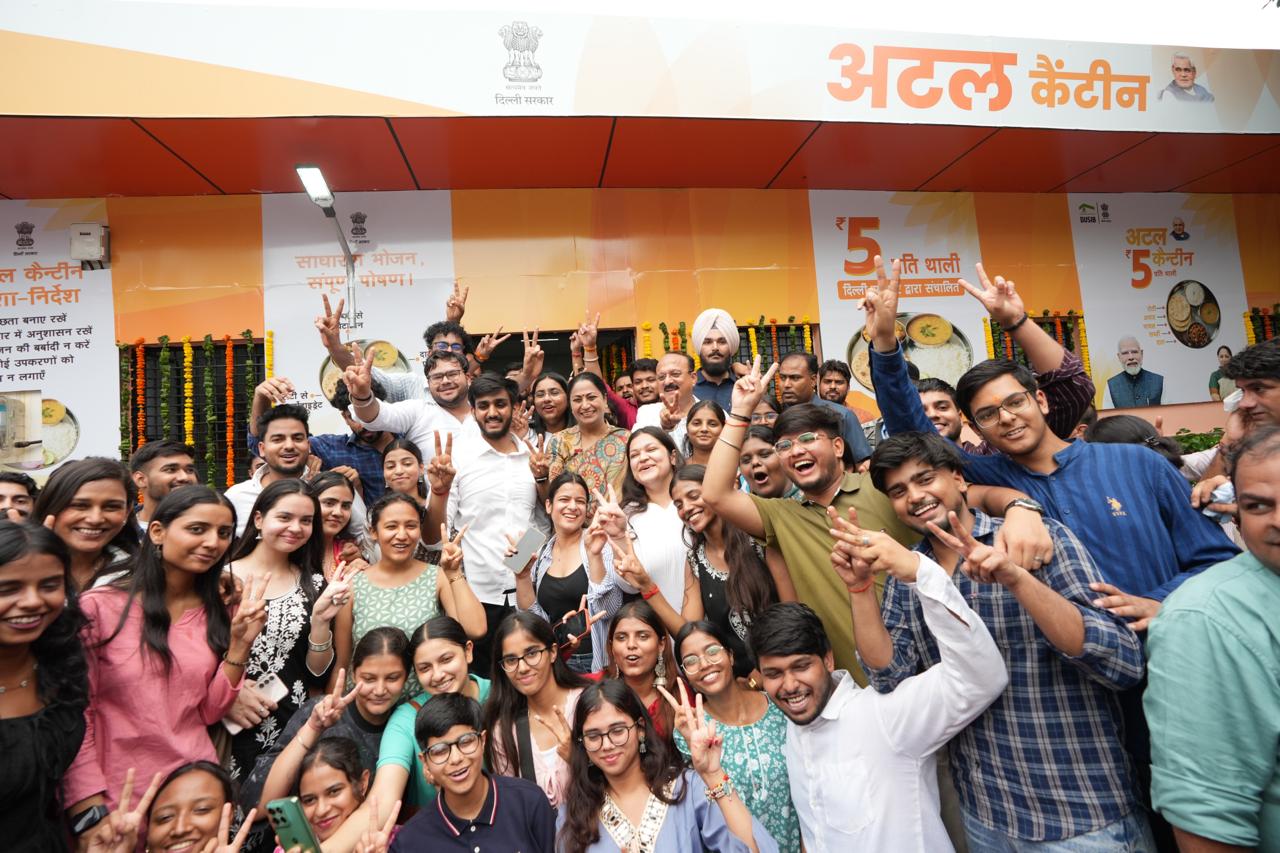
On the death anniversary of Bharat Ratna former Prime Minister Shri Atal Bihari Vajpayee Ji, the Delhi Government fulfilled its election manifesto pledge of establishing 100 Atal Canteens in just eight months - with former Vice President Shri M. Venkaiah Naidu Inaugurated 25 new Atal Canteens from the Vishwavidyalaya Metro Station in the presence of Chief Minister Smt. Rekha Gupta, MP Manoj Tiwari and Urban Development Minister Ashish Sood. Launched on December 25, 2025 — Atal Ji's 101th birth anniversary - the scheme has already served approximately 95 lakh subsidised meals at just ₹5 per thali, with 100 canteens now capable of serving 1 lakh people daily and 3.65 crore meals annually. CM Rekha Gupta said the milestone is a meaningful tribute to Atal Ji's spirit of Antyodaya and his lifelong commitment to the welfare of the last person in society, reaffirming that no needy person in the national capital will sleep hungry. She announced that a new canteen near Delhi University Metro Station will specifically serve university students living away from home in hostels and PG accommodations, assuring students that the government stands firmly with them. She also highlighted that migrant labourers whose hard work powers Delhi's industries, construction and households - are among the primary beneficiaries of the scheme, calling it the government's responsibility to act with sensitivity and respect towards them.Former Vice President Venkaiah Naidu praised the initiative as a true example of sensitivity and service, embodying the principle of 'Sarve Bhavantu Sukhinah'. Urban Development Minister Ashish Sood said Atal Canteen is not merely a low-cost meal scheme but a solemn pledge to honour the hardworking hands that build Delhi - adding that alongside food security, the Central and Delhi governments are jointly taking historic steps toward rehabilitation of JJ clusters, set to benefit approximately four lakh families.
Read More...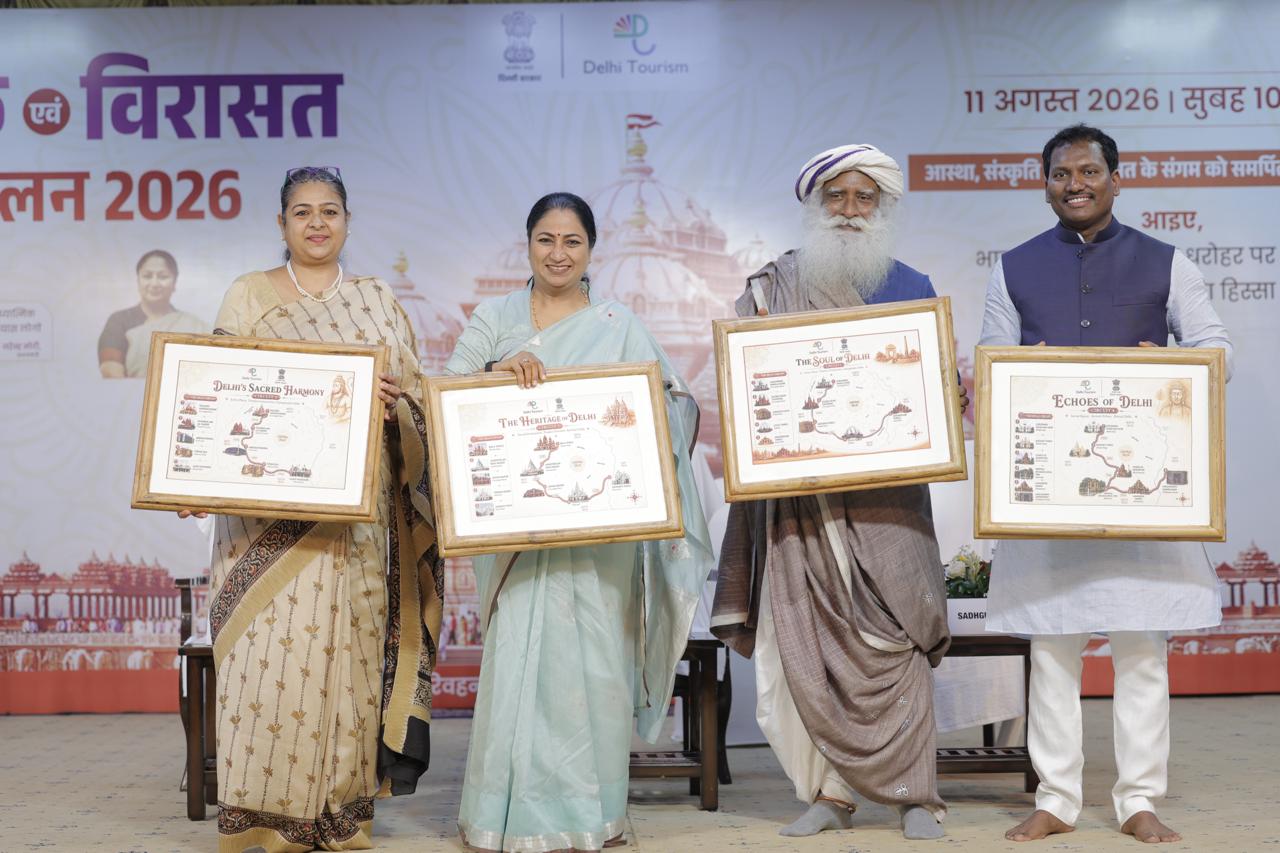
Chief Minister Smt. Rekha Gupta attended the Spiritual and Heritage Tourism Conclave 2026 at Akshardham Temple, launching four spiritual and heritage tourism circuits aimed at transforming Delhi from a 'Transit City' into a 'Destination City' - encouraging tourists from India and across the world to explore the capital's diverse spiritual, cultural and historical heritage as a single integrated experience. Spiritual guru Sadhguru Jaggi Vasudev was also present on the occasion.The four circuits - Soul of Delhi, Heritage of Delhi, Delhi's Sacred Harmony and Echoes of Delhi - bring together iconic spiritual and heritage sites across the capital. The Soul of Delhi circuit covers Gurudwara Bangla Sahib, Sacred Heart Cathedral, Agrasen Ki Baoli, Lotus Temple and Akshardham. The Heritage of Delhi circuit includes Birla Temple, Jhandewalan Mata Mandir, Jantar Mantar, Yogmaya Mandir and Jagannath Temple. Delhi's Sacred Harmony circuit connects Praacheen Hanuman Mandir, Digambar Jain Lal Mandir, Ambedkar Memorial, Purana Qila and Hazrat Nizamuddin. The Echoes of Delhi circuit brings together Gurudwara Rakab Ganj Sahib, Buddhist Temple, Church of Redemption, Mehrauli Archaeological Park, Chhatarpur Mandir and Linga Bhairavi Sannidhanam .CM Rekha Gupta said Delhi's identity extends far beyond the Red Fort, Purana Qila and Humayun's Tomb - it is a living reflection of India's diverse culture, traditions and spiritual consciousness, home to people from every state who keep their cultures and festivals alive. She said the circuits will create new economic opportunities for hotels, restaurants, tour operators, local guides, artists, artisans and small entrepreneurs, as the government works with spiritual institutions, the hospitality industry, heritage organisations and travel influencers to put Delhi firmly on the global tourism map.
Read More...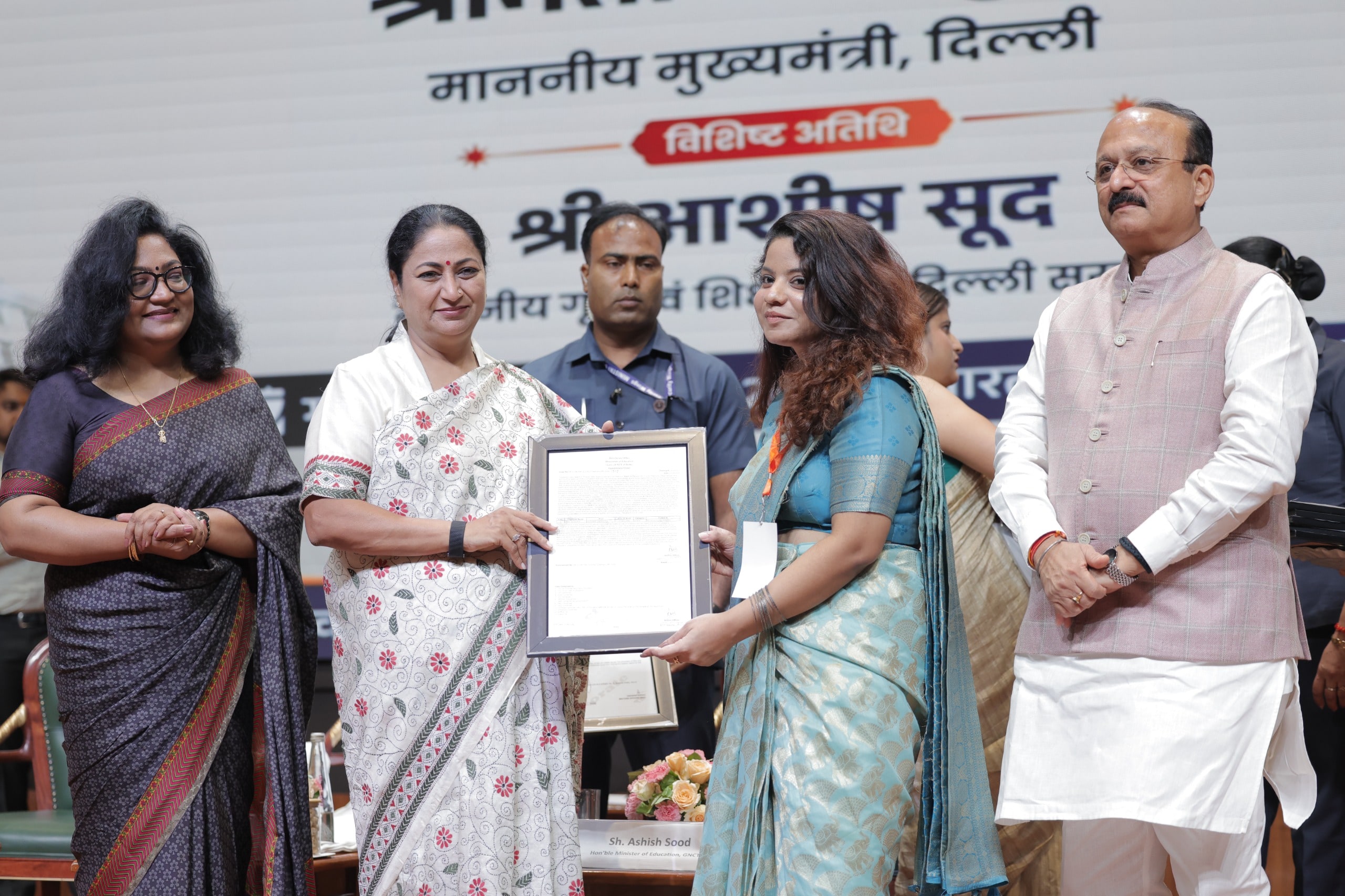
Chief Minister Smt. Rekha Gupta handed over appointment letters to 1,368 newly appointed teachers at a state-level ceremony at Bharat Mandapam, including 1,015 TGTs, 236 PGTs and 117 music teachers taking the total number of teachers appointed in 2026 to over 2,100, following 751 appointments made in April-May earlier this year. CM Rekha Gupta said the occasion was not merely about handing over appointment letters but about strengthening the responsibility of ensuring better education for lakhs of children in Delhi government schools. Recalling her school visits where students shared that several schools lacked teachers for subjects like science and music - with limited teachers handling multiple classes - she said the recruitment drive was a direct response to ground-level realities. She urged the newly appointed teachers to become not just subject experts but mentors, role models and guides for their students.Education Minister Ashish Sood said the government's goal is clear - wherever a teacher is needed, a teacher should be available, and every child in Delhi should have equal access to quality education. He reaffirmed that teacher recruitment, training and capacity building will continue on priority, with Delhi government schools being developed into institutions where modern infrastructure and smart classrooms are complemented by inspiring and dedicated teachers committed to nation-building.
Read More...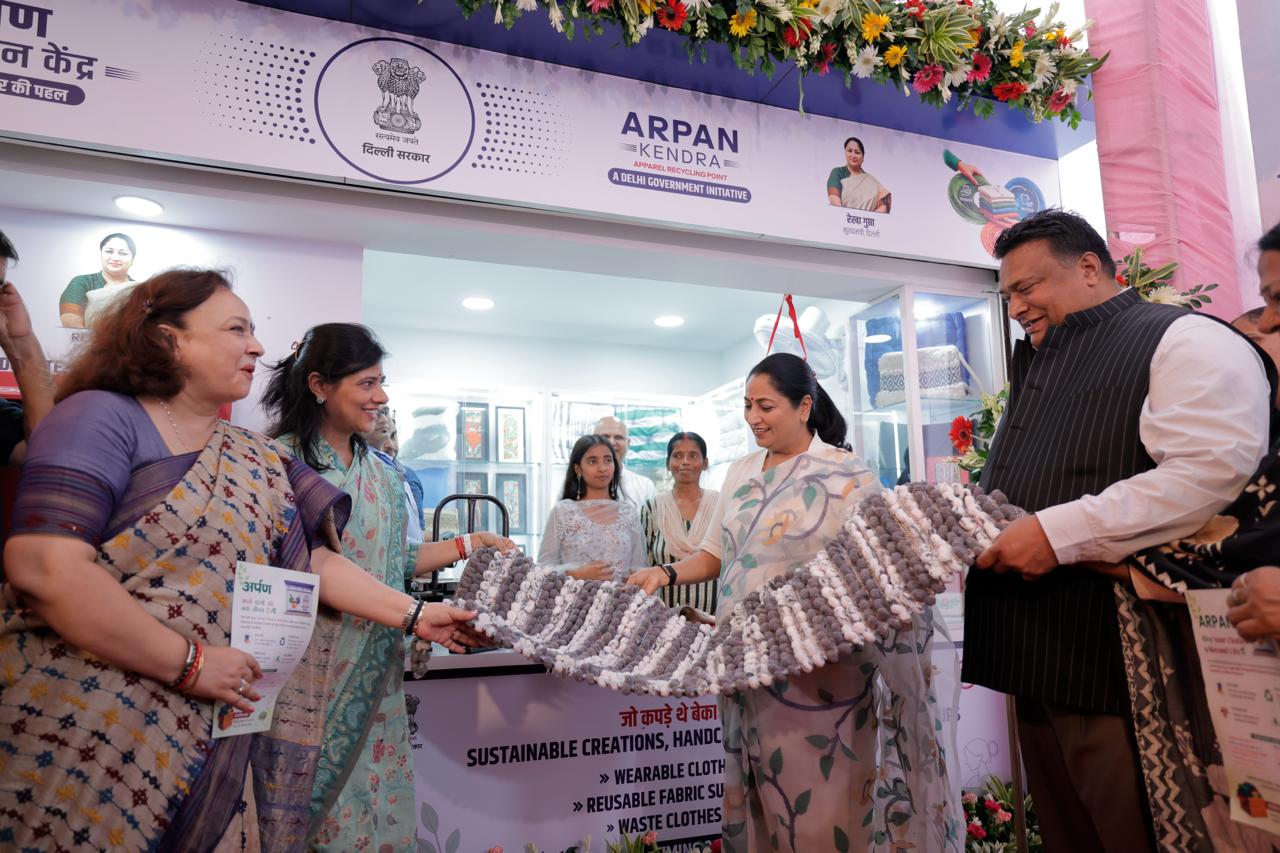
Chief Minister Smt. Rekha Gupta inaugurated the 'Arpan Kendra' at Punjabi Bagh West Metro Station, launching a first-of-its-kind initiative in collaboration with Delhi Metro Rail Corporation and the Delhi Metro Ladies Welfare Organisation to collect, reuse, recycle and upcycle old clothes at 10 major Metro stations across the capital. In the first phase, Arpan Kendras were simultaneously launched at five stations - Shalimar Bagh, Punjabi Bagh West, Mayur Vihar Phase-1, Shahdara and Rohini West.Citizens can donate usable old garments through a QR code-based digital system at textile collection-cum-sale kiosks installed at each Metro station, receiving a digital receipt upon donation to ensure transparency and encourage wider public participation. Women's self-help groups will play a central role in operating the centres and managing collection, segregation, recycling and upcycling of garments - creating new opportunities for dignified livelihoods and self-employment while strengthening Delhi's circular economy. CM Rekha Gupta said the initiative exemplifies 'Waste to Wealth' - where every garment donated contributes to environmental protection, water and energy conservation and positive change in the lives of those in need - reaffirming the Delhi Government's vision of building a 'Delhi Model' where waste is seen as a resource and environmental conservation becomes a hallmark of the Capital's development.
Read More...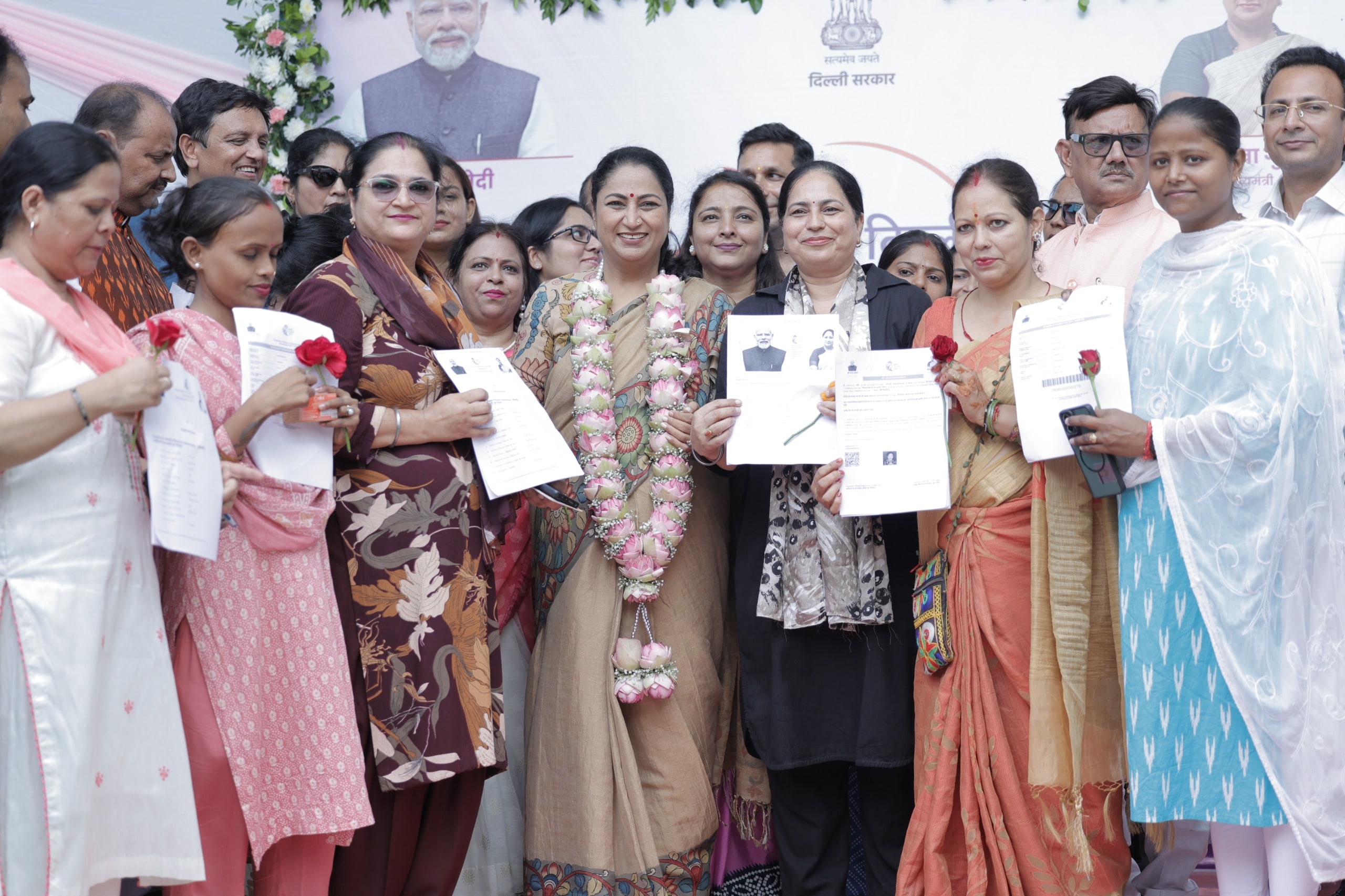
Chief Minister Smt. Rekha Gupta officially launched the Delhi Lakshmi Yojana at the District Magistrate's office in East Delhi, inaugurating the online registration portal at www.dly.delhi.gov.in, under which eligible women between 21 and 60 years of age with a family annual income not exceeding ₹2.5 lakh will receive ₹2,500 every month - benefiting nearly 17 lakh women across the capital over an initial three-year period.Beneficiaries can choose between two financial options - the first allowing ₹1,000 monthly in a CBDC wallet for daily expenses and ₹1,500 in an RD/FD account, and the second depositing the full ₹2,500 in an RD/FD for long-term savings with interest. A digital negative list will restrict CBDC wallet spending on alcohol, tobacco, gambling and other prohibited items, ensuring assistance is used only for essential household needs. Every application will undergo four-stage verification covering Aadhaar authentication, Delhi voter registration, income assessment, electricity consumption, vehicle ownership and government service records before sanction, with District-Level Approval, Monitoring and Grievance Redressal Committees headed by District Magistrates overseeing implementation across all 13 districts.CM Rekha Gupta said the Delhi Lakshmi Yojana goes beyond monthly financial assistance — connecting beneficiaries with self-help groups, skill development, entrepreneurship training and government programmes including APAAR ID, ABHA ID, Swachh Bharat Mission and Ek Ped Maa Ke Naam — reaffirming that the scheme is not merely a welfare initiative but a comprehensive movement for women's dignity, financial security and social transformation in Delhi.
Read More...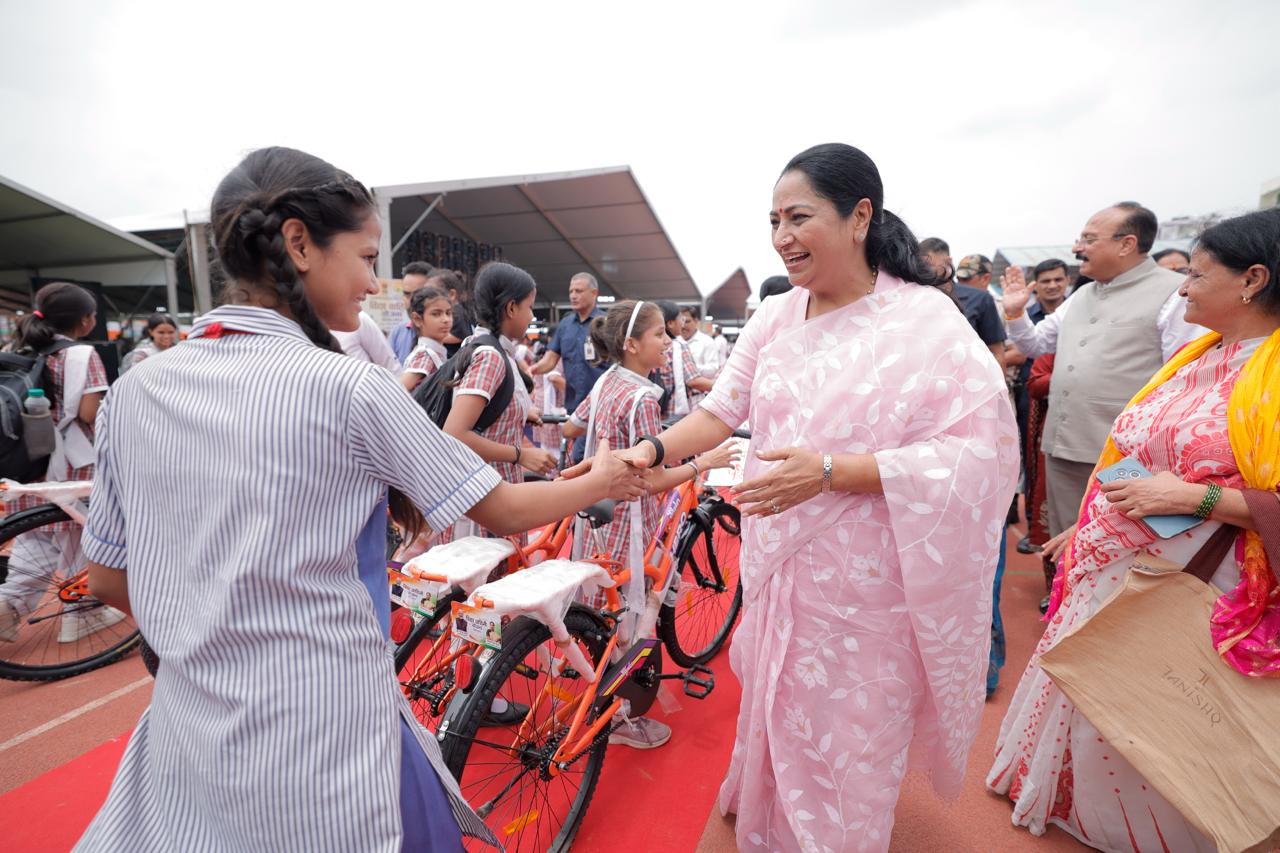
Chief Minister Smt. Rekha Gupta launched the ambitious Vidya Vahini scheme at the Sports Complex in East Vinod Nagar, distributing free bicycles to more than 3,000 Class IX girl students studying in Delhi Government schools, with nearly 1,40,000 girl students across all Delhi Government schools set to receive free bicycles in a phased manner in the coming years. CM Rekha Gupta said the Vidya Vahini scheme is a celebration of Nari Shakti and a collective commitment to empowering every daughter through education, launched in line with PM Narendra Modi's vision of women-led development and Viksit Bharat. She said the scheme will ensure safe and convenient travel to school, save students' time, improve regular attendance, reduce the likelihood of dropouts and ease the daily concerns of parents — adding that a bicycle represents not merely a mode of transport but freedom, self-confidence, dignity and the beginning of a new journey. Education Minister Ashish Sood said the scheme is particularly significant as Delhi is led by a woman Chief Minister who has made the education, safety and empowerment of girls among the government's highest priorities. He noted that after reaching Class IX, many girls traditionally faced transportation barriers to continuing education barriers that Vidya Vahini is firmly committed to removing, treating education as nation-building.
Read More...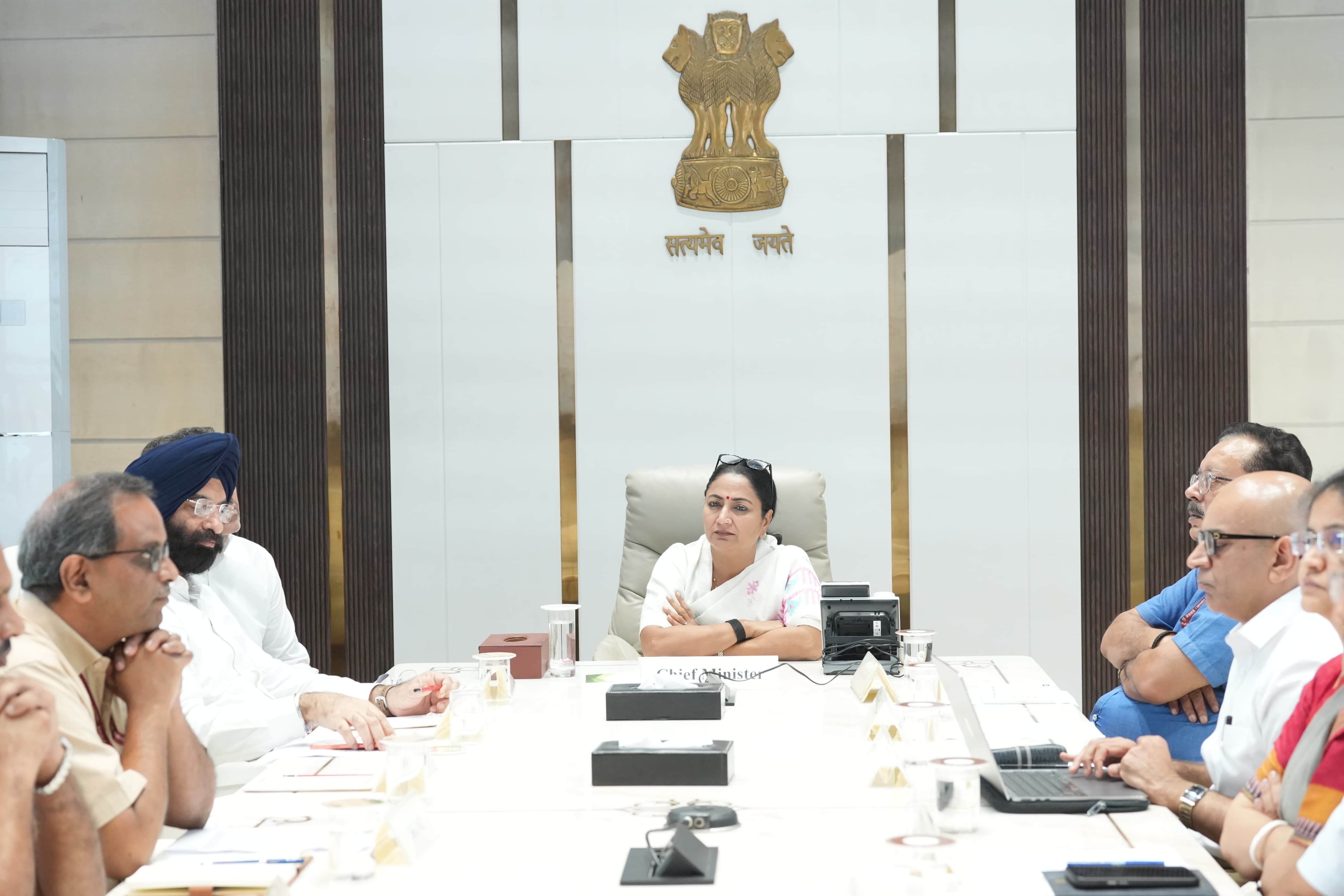
Chief Minister Smt. Rekha Gupta announced a significant enhancement in financial assistance for Kanwar committees for Kanwar Yatra 2026, with large camps spread over more than 20,000 square feet and operating for six to twelve days seeing their grant raised from ₹11 lakh to ₹15 lakh, while camps of the same size operating for three to five days will receive ₹9 lakh, up from ₹6 lakh. Grants across all other categories have also been increased — with camps ranging from 5,000 to 20,000 square feet receiving proportionally higher assistance — keeping in view the growing number of devotees, rising inflation and increasing operational costs of running Kanwar camps. The existing provision of free electricity up to 1,200 units for Kanwar committees will continue, with BSES and TPDDL ensuring timely connections and completion of all formalities before the Yatra begins. To ensure transparency and timely disbursal, grants will be released in two instalments via Direct Benefit Transfer — 50% as advance and the remaining 50% after completion of the Yatra, subject to geo-tagged photographs, SDM and Tehsildar inspections, and verification reports. Both advance and final instalments will now be released directly from the District Magistrate's office, eliminating the need for separate approvals from the Finance Department through Revenue Headquarters. CM Rekha Gupta reaffirmed that the single-window system and full inter-departmental coordination will continue, with MCD ensuring sanitation and fogging, the Health Department and CATS providing round-the-clock doctors and ambulances, Delhi Jal Board supplying clean drinking water, DUSIB deploying mobile toilets, power companies ensuring uninterrupted electricity and Delhi Police managing security, traffic and CCTV surveillance at sensitive locations — ensuring every Shiv bhakt can complete their sacred pilgrimage in a clean, safe and well-organised environment.
Read More...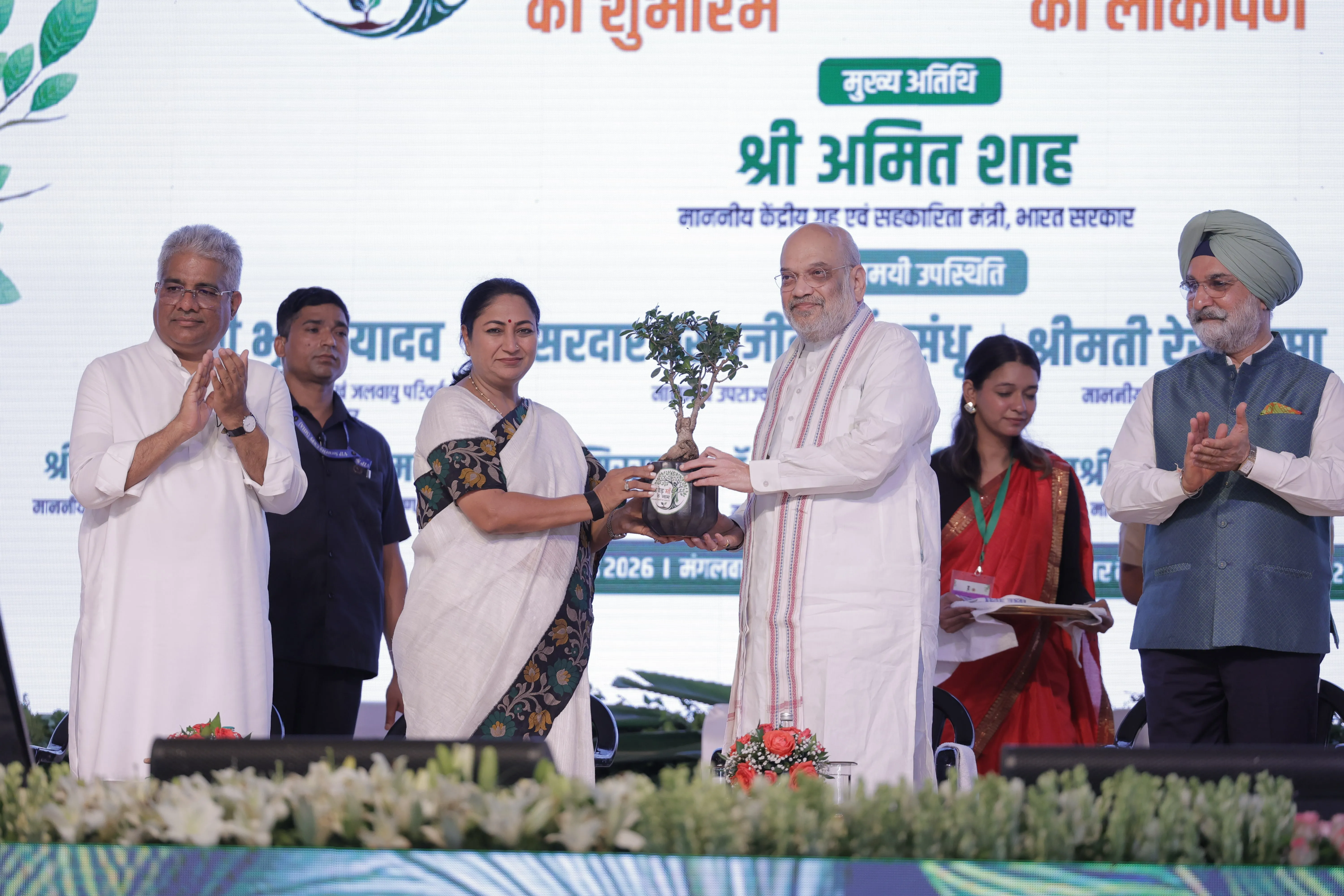
Union Home and Cooperation Minister Shri. Amit Shah launched the 70 Lakh Tree Plantation Drive under the 'Ek Ped Maa Ke Naam' campaign at Central Park, R.K. Puram, planting saplings at the Central Ridge and Nanakpura Ridge, with Chief Minister Smt. Rekha Gupta reaffirming the Delhi Government's commitment to making environmental protection a mass movement driven by active public participation. Over the next four years, more than one crore native plants including over 35 lakh native trees and 65 lakh shrubs, bamboo and climbers will be planted across 6,303 hectares of Ridge area using a scientific three-tier forest structure featuring keystone species such as Peepal, Banyan and Goolar alongside native trees like Neem, Jamun and Shisham. More than 12 lakh saplings will be distributed free of cost to citizens, while eight new water bodies and eight theme-based forests including Panchavati Van, Nakshatra Van and Ritu Van are being developed across Ridge areas.In a historic step, around 4,850 hectares of Ridge land have been notified as Reserved Forest reviving a process pending for nearly three decades providing the highest level of legal protection to Delhi's green lungs. Every sapling will be geo-tagged and monitored digitally to ensure long-term survival, as Delhi pursues its Green Budget allocation of ₹22,236 crore to build a capital of clean air, green spaces and sustainable development for future generations.
Read More...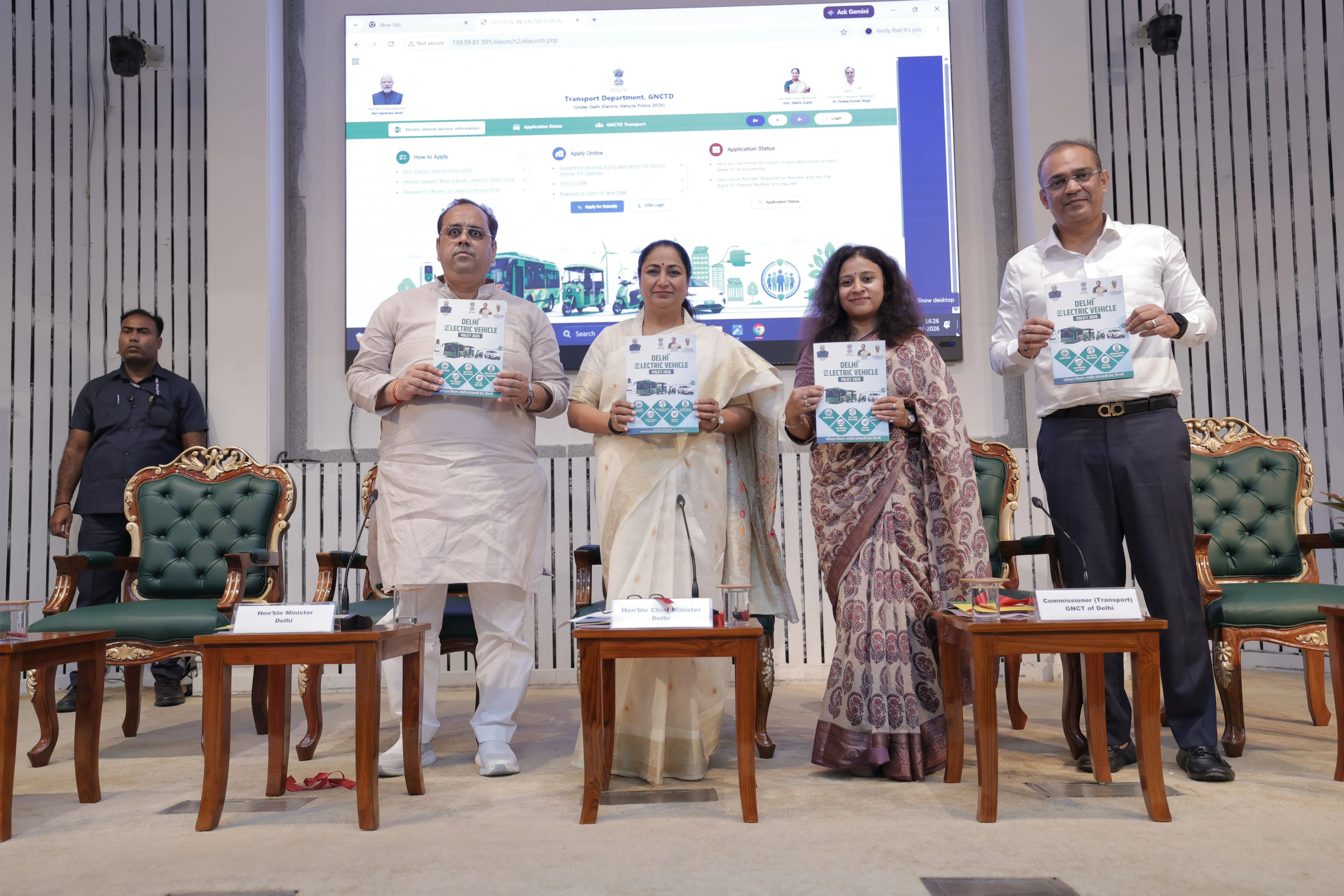
The Delhi Cabinet, under the leadership of Chief Minister Smt. Rekha Gupta, approved the Delhi Electric Vehicle Policy 2026, effective July 1, 2026 to March 31, 2030, committing a direct government investment of over ₹7,000 crore and delivering total citizen benefits of nearly ₹15,000 crore through purchase incentives, road tax exemptions, registration fee waivers and charging infrastructure making it the largest EV policy investment by any state in the country. Electric two-wheeler buyers will receive purchase incentives of up to ₹30,000 in the first year, three-wheeler buyers up to ₹50,000 and N1 category electric truck buyers up to ₹1 lakh, with all incentives transferred directly via DBT within 60 days. Scrappage incentives ranging from ₹10,000 for two-wheelers to ₹1 lakh for four-wheelers will phase out older polluting vehicles, while four-wheelers with ex-showroom price up to ₹30 lakh will be fully exempt from road tax and registration charges. Over 30,000 EV charging points will be installed across Delhi during the policy period. From January 2027, only electric three-wheelers and N1 category goods vehicles will be registered in Delhi, followed by mandatory electric-only two-wheeler registration from April 2028. School buses will be electrified in phases, targeting 30% electric fleet by March 2030. Power Minister Ashish Sood called the policy a double dividend cleaner air for Delhi's children and reduced dependence on imported fossil fuels describing it as an economic and strategic investment in Atmanirbhar Bharat.
Read More...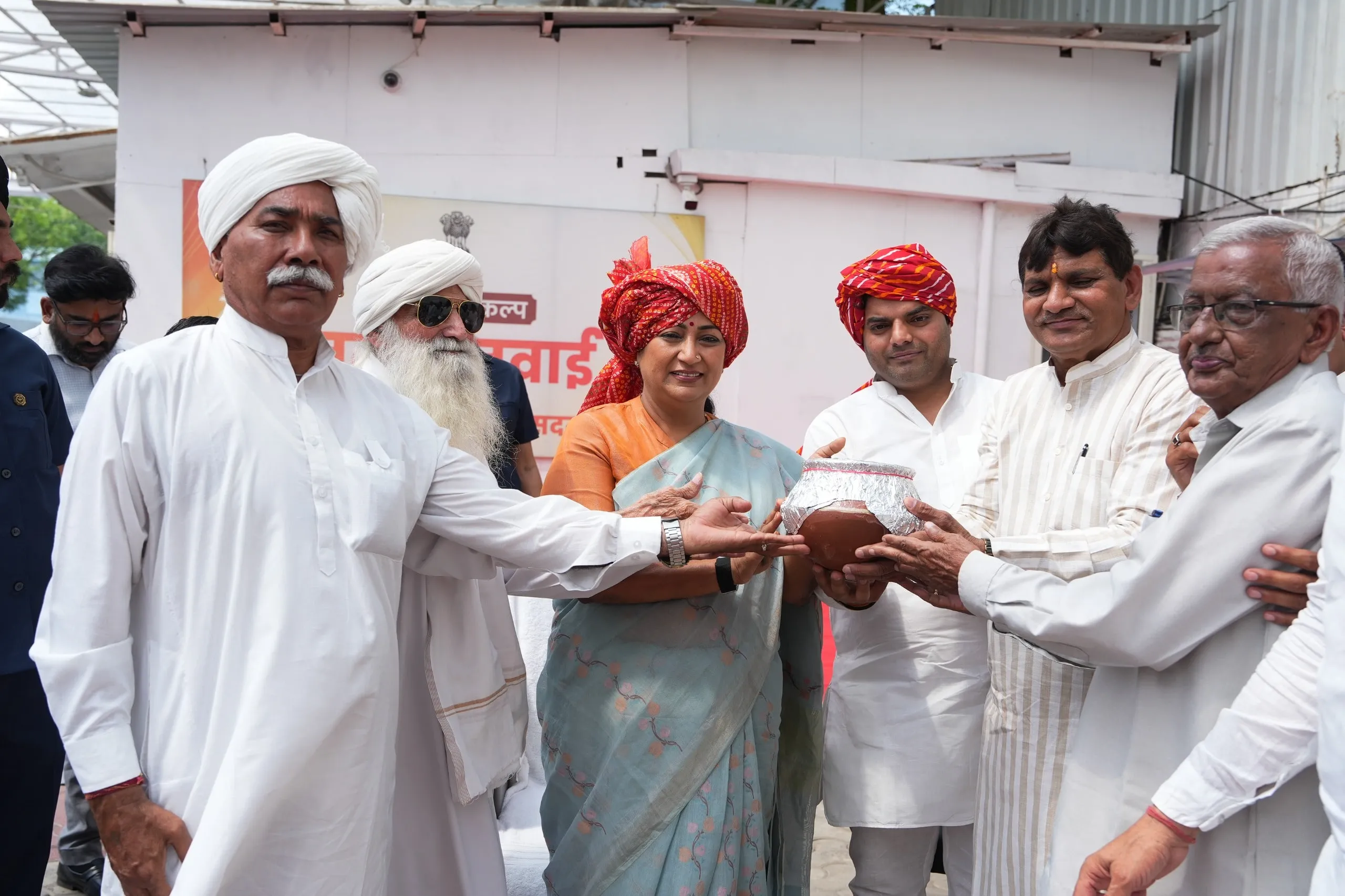
Chief Minister Smt. Rekha Gupta, has approved enhanced ex-gratia assistance of ₹75,000 per hectare for farmers affected by heavy rainfall and waterlogging during August-September 2025 — a significant upward revision from the earlier rate of ₹20,000 per acre fixed in 2015 — with ₹33.32 crore to be disbursed to approximately 10,000 farmers across 10,977.44 acres of affected agricultural land. The Revenue Department's assessment found 100% crop loss across affected areas due to continuous heavy rainfall and overflowing of natural drains, with the Cabinet approving full assistance at the revised rate. CM Rekha Gupta said that with agricultural costs having risen significantly over more than a decade, the enhancement from ₹49,421 per hectare to ₹75,000 per hectare reflects the government's commitment to standing firmly with farmers during times of crisis and ensuring continuity of agricultural activities. The Chief Minister reaffirmed that carrying forward PM Narendra Modi's vision of increasing farmers' income and making agriculture more remunerative, the Delhi Government accords the highest priority to farmers' livelihood and agricultural security - ensuring that timely financial assistance reaches every affected farmer to prepare for the next crop season.
Read More...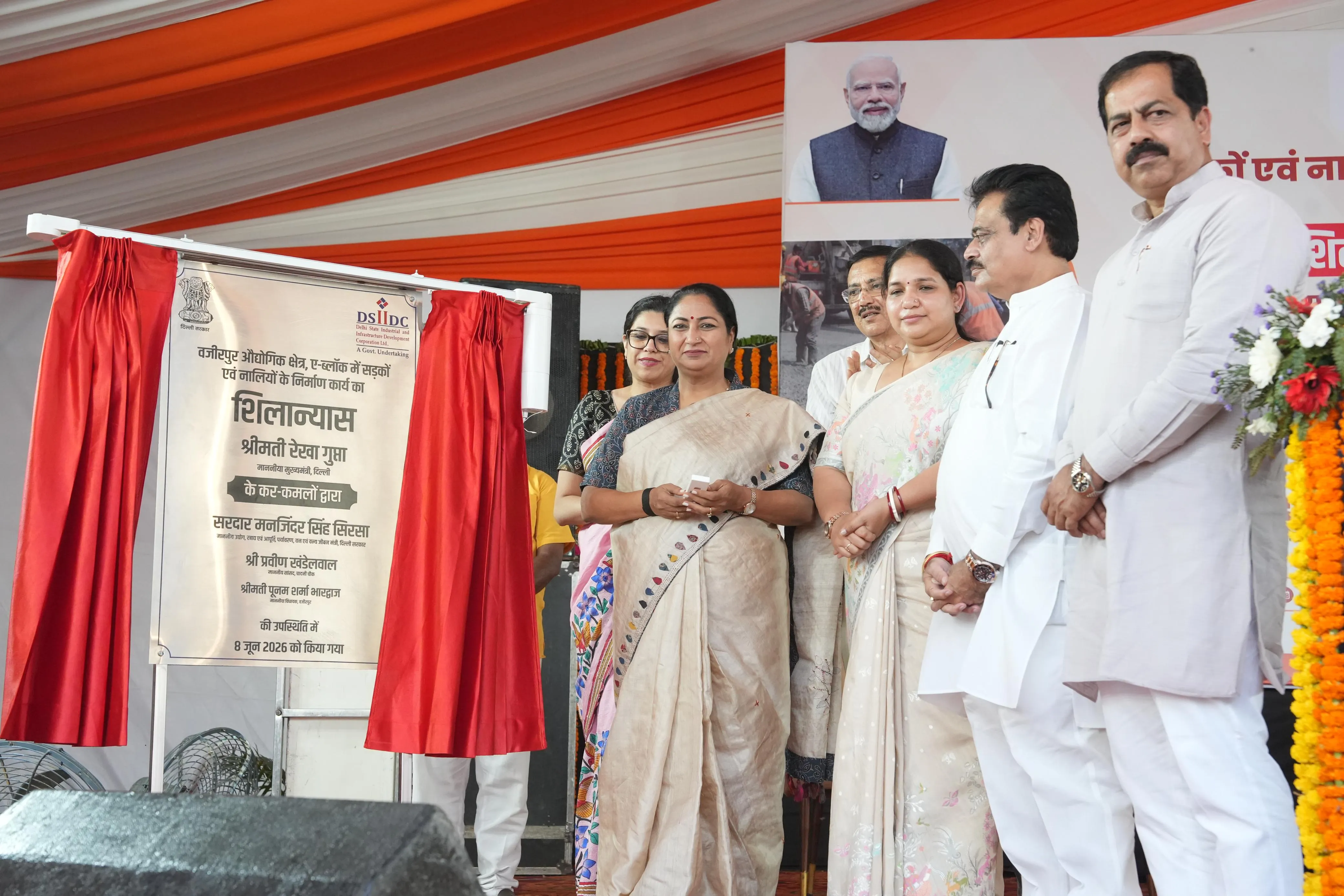
Chief Minister Smt. Rekha Gupta laid the foundation stone for a ₹75.40 crore road and drainage project in Wazirpur Industrial Area, covering redevelopment of 5.77 km of roads and construction of an 11.54 km storm water drainage network. The project aims to address long-standing issues of waterlogging, damaged roads and inadequate civic infrastructure in one of Delhi's key industrial hubs. A major feature of the project is the introduction of underground utility duct technology, which will eliminate the need for repeated road excavation by multiple agencies and ensure efficient maintenance of essential services. The upgraded drainage network is expected to significantly improve rainwater discharge during the monsoon, while plantation and landscaping works will contribute to a cleaner industrial environment. CM Rekha Gupta said the Delhi Government is committed to modernising industrial areas with world-class infrastructure. She also highlighted that more than ₹200 crore has been sanctioned for development projects across Wazirpur, including a modern Chhath Ghat, Atal Canteens and Ayushman Arogya Mandirs.
Read More...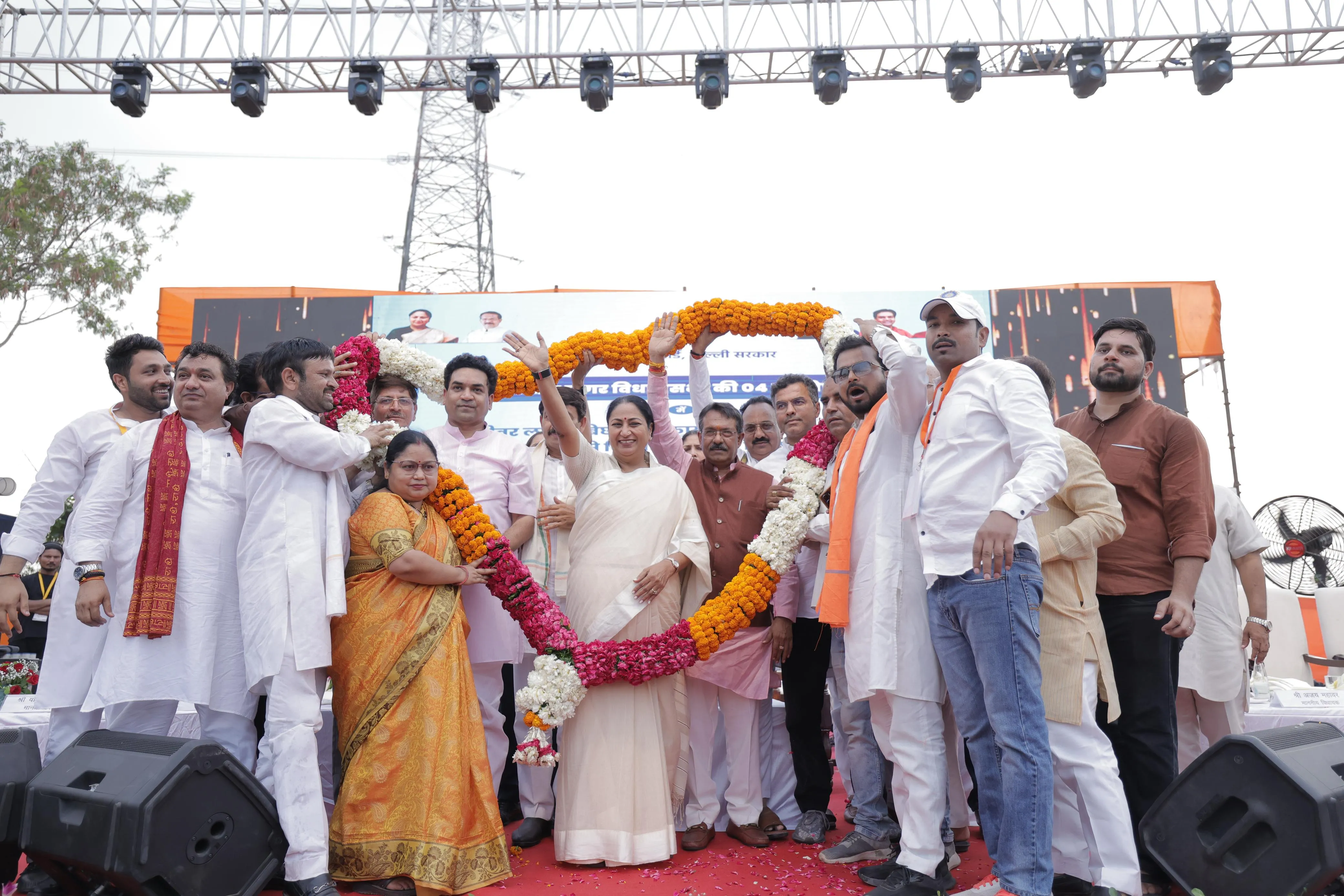
Chief Minister Smt. Rekha Gupta, along with Union Minister Harsh Malhotra and MLA Kapil Mishra, launched a ₹138 crore sewer infrastructure project for Karawal Nagar as part of programmes marking 12 years of Prime Minister Narendra Modi's government. The project will accelerate sewer network expansion across Sonia Vihar, Milan Garden, Chauhan Patti, Sabhapur Extension and several adjoining colonies, addressing long-pending issues related to sanitation, drainage and civic infrastructure. The project includes the laying of nearly 43 km of sewer lines, replacement of old water pipelines and mechanised cleaning of existing sewer systems. The Delhi Government said the initiative will strengthen sewer connectivity, improve drinking water supply and provide lasting relief from civic challenges faced by residents. The project forms part of a broader development drive under which more than ₹300 crore worth of works have been approved in the Karawal Nagar Assembly constituency. CM Rekha Gupta said the government is committed to ensuring basic amenities reach every household through development-focused governance.
Read More...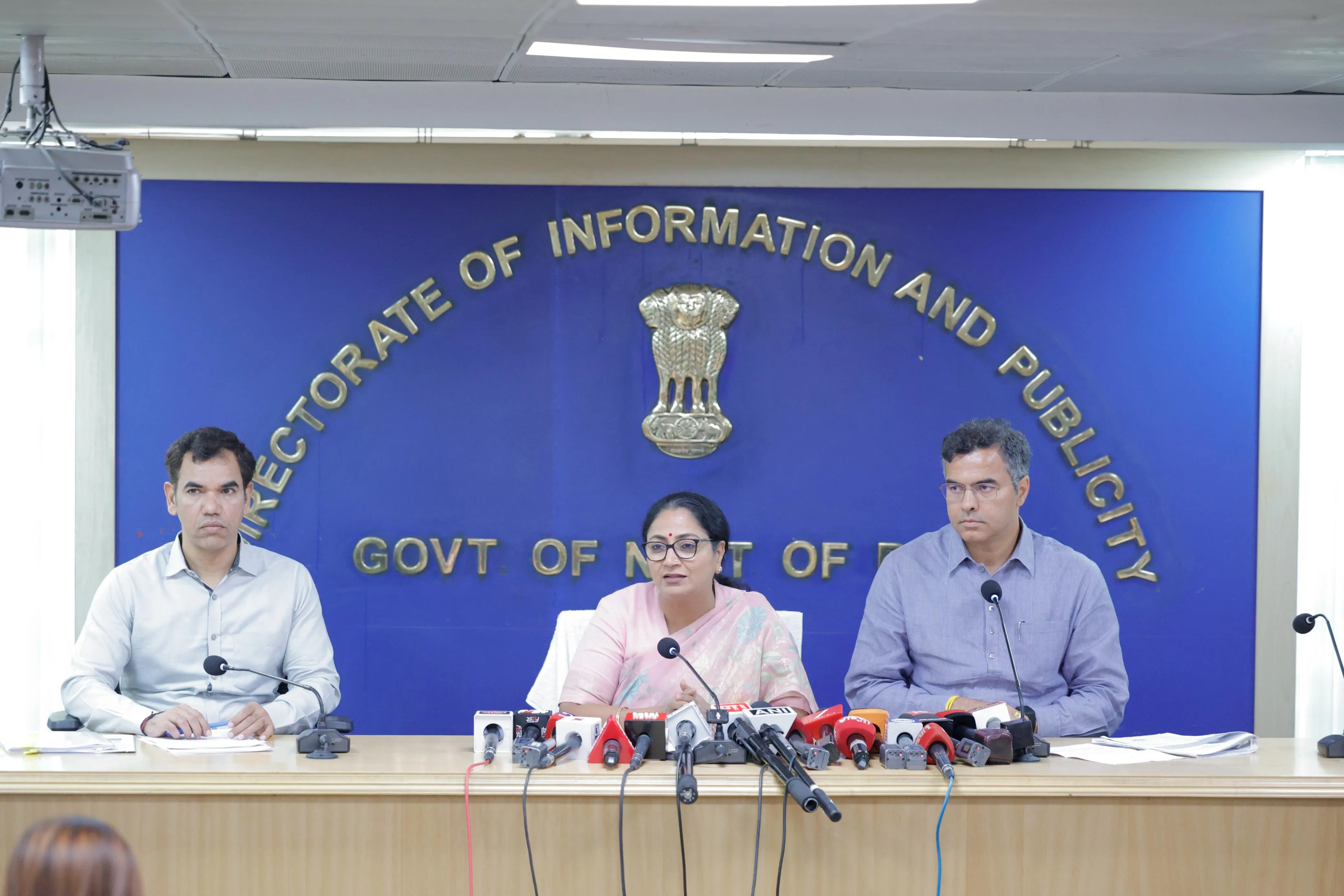
Chief Minister Smt. Rekha Gupta announced a major rationalisation of water and sewer Infrastructure Charges (IFC), shifting from area-based to actual water demand-based calculations, with redevelopment projects where water demand does not increase fully exempt from IFC providing direct financial relief worth several lakh rupees to residents, housing units, institutions and industries across Delhi. Properties in E and F category colonies will receive a 50% concession, while G and H category colonies will get up to 70% relief. Residential units of 50 square metres or less on plots larger than 200 square metres will receive an additional 50% concession, while religious institutions and charitable organisations registered under Section 12AB will also be eligible for an additional 50% concession. Institutions adopting Zero Liquid Discharge systems will receive up to 50% concession in sewer IFC, subject to operational compliance with CPCB and DPCC standards. Water Minister Parvesh Sahib Singh said the previous AAP government had turned IFC into an instrument of harassment, inflating charges six to seven times through complex area-based calculations that forced ordinary families to pay ₹15–20 lakh or more. Under the revised policy, such cases have been reduced to approximately ₹2–3 lakh, with plots up to 200 square metres remaining fully exempt delivering on the government's commitment to honest, transparent and citizen-friendly governance.
Read More...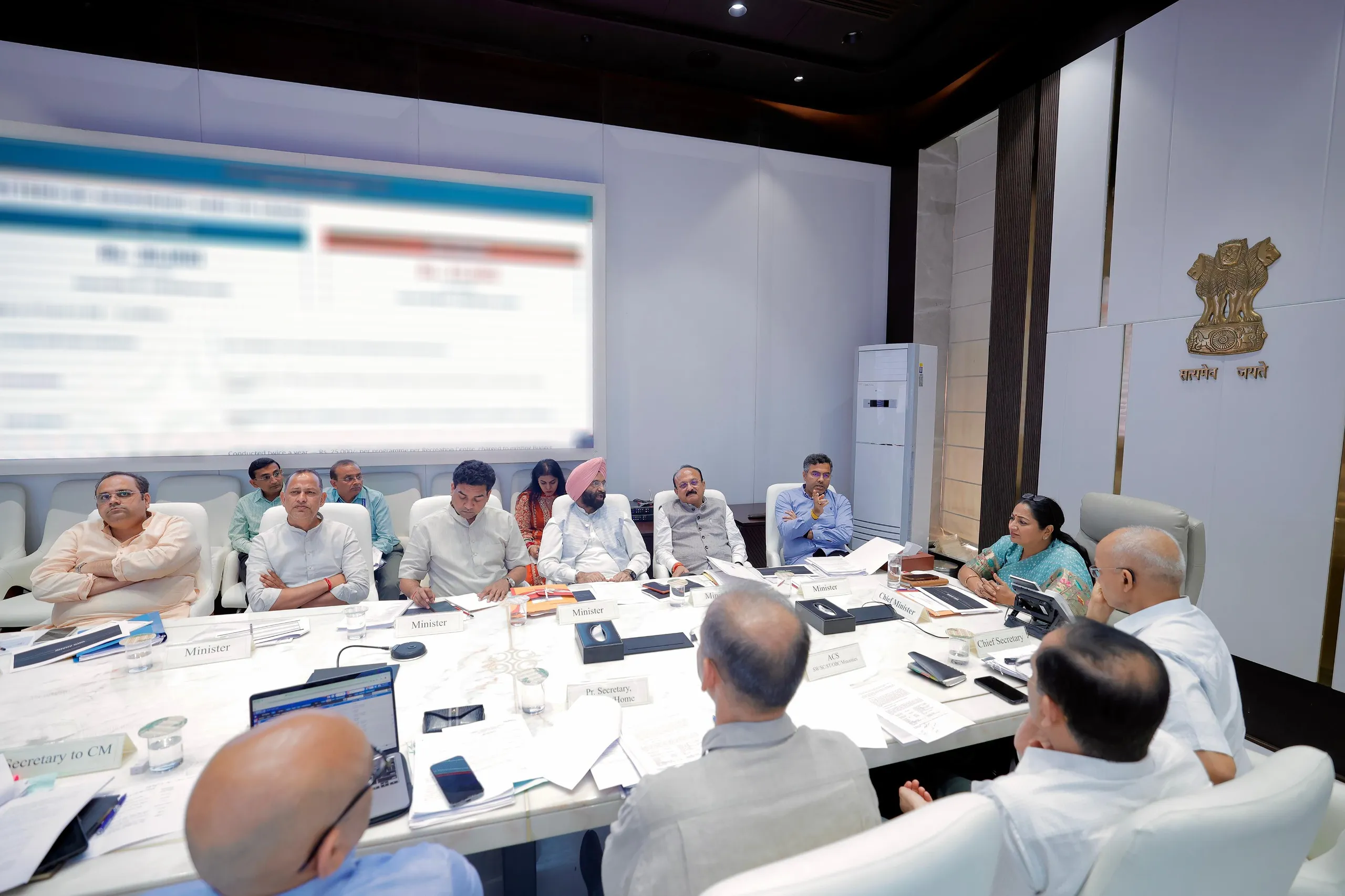
Under the leadership of Chief Minister Smt. Rekha Gupta, the Delhi Cabinet has approved a major expansion of ration card eligibility, raising the annual income limit from ₹1.2 lakh to ₹2.5 lakh under the Public Distribution System ensuring that lakhs of deserving families previously excluded due to the lower income threshold can now access subsidised ration. Food and Supplies Minister Shri Manjinder Singh Sirsa said that even an annual income of ₹1 lakh is below the level of minimum wages for a family in today's times, making the revision a necessary and overdue step towards genuine food security. The Cabinet also approved the introduction of a CBDC-based smart ration distribution system, under which food subsidy amounts will be directly deposited into beneficiaries' CBDC wallets, enabling them to purchase ration from authorised Fair Price Shops through Aadhaar-authenticated digital transactions. The CBDC-enabled model is designed to eliminate leakages, enhance transparency, provide real-time visibility of subsidy entitlements and empower beneficiaries with greater flexibility and dignity in accessing food supplies reaffirming CM Rekha Gupta's commitment to strengthening welfare delivery for every economically challenged family in Delhi.
Read More...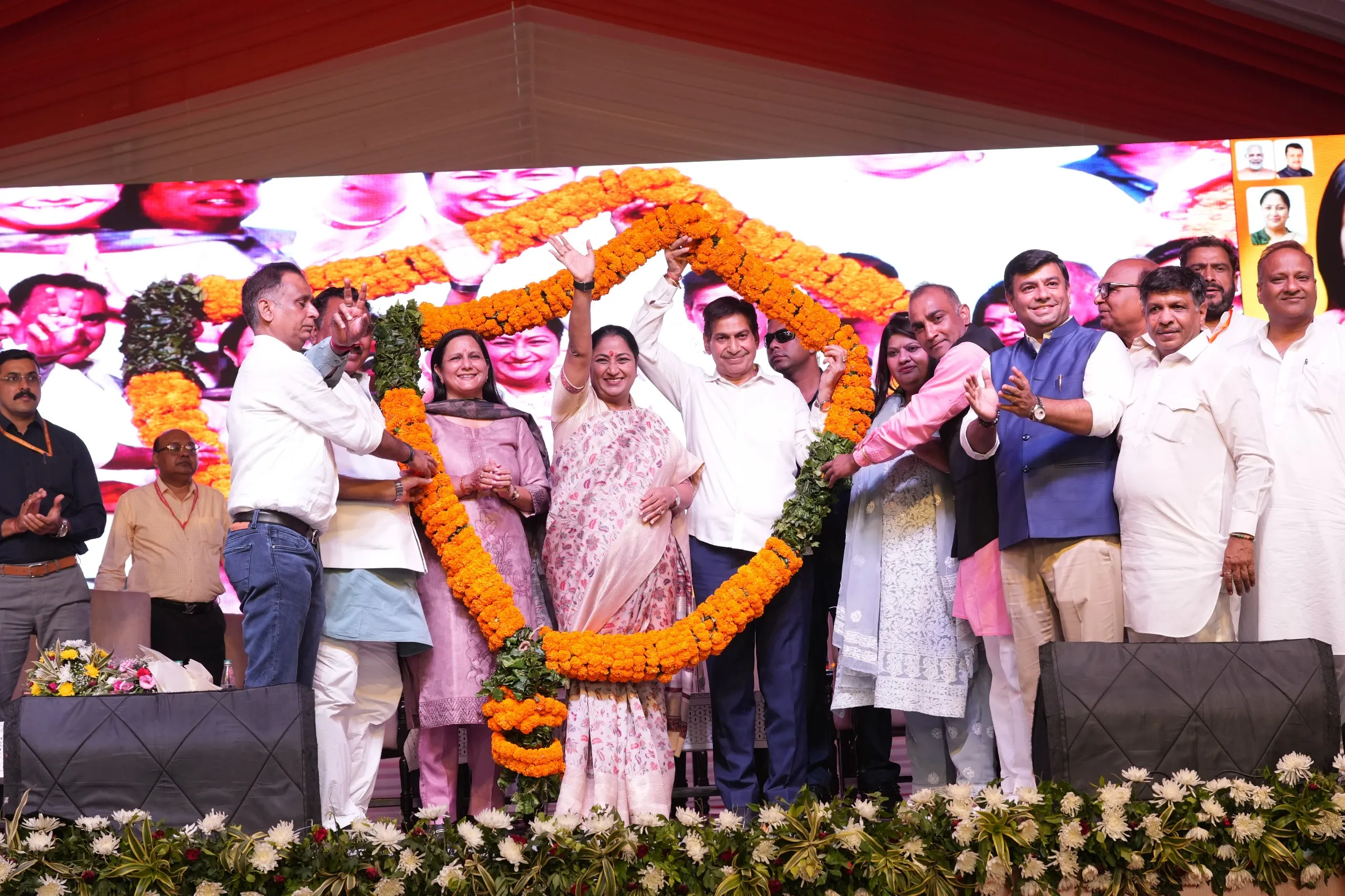
Chief Minister Smt. Rekha Gupta launched development projects worth approximately ₹100 crore in the Dwarka Assembly constituency, covering repair and construction of roads, renovation of chaupals, drainage strengthening, park beautification, sewer pipeline laying, transformer upgradation and replacement of old electricity cables across the area. CM Rekha Gupta said that under PM Narendra Modi's guidance, the Delhi government is delivering basic facilities to every colony and every citizen, noting that for the first time, budget has been provided on such a large scale for development works across every Assembly constituency. She highlighted the ₹6,200 crore metro project under Phase-5 for Dwarka, made possible after the government released ₹10,000 crore for metro expansion reversing years of stalled projects under previous governments. The Chief Minister reaffirmed that double-engine governance has fast-tracked resolution of long-pending issues including unauthorised colony regularisation, permanent housing for slum dwellers, and improvement of hospitals and schools. Upon completion of these projects, CM Gupta said residents of Dwarka will see significant relief from waterlogging, damaged roads, sewer overflow and power disruptions moving decisively towards a cleaner, safer and more modern Delhi.
Read More...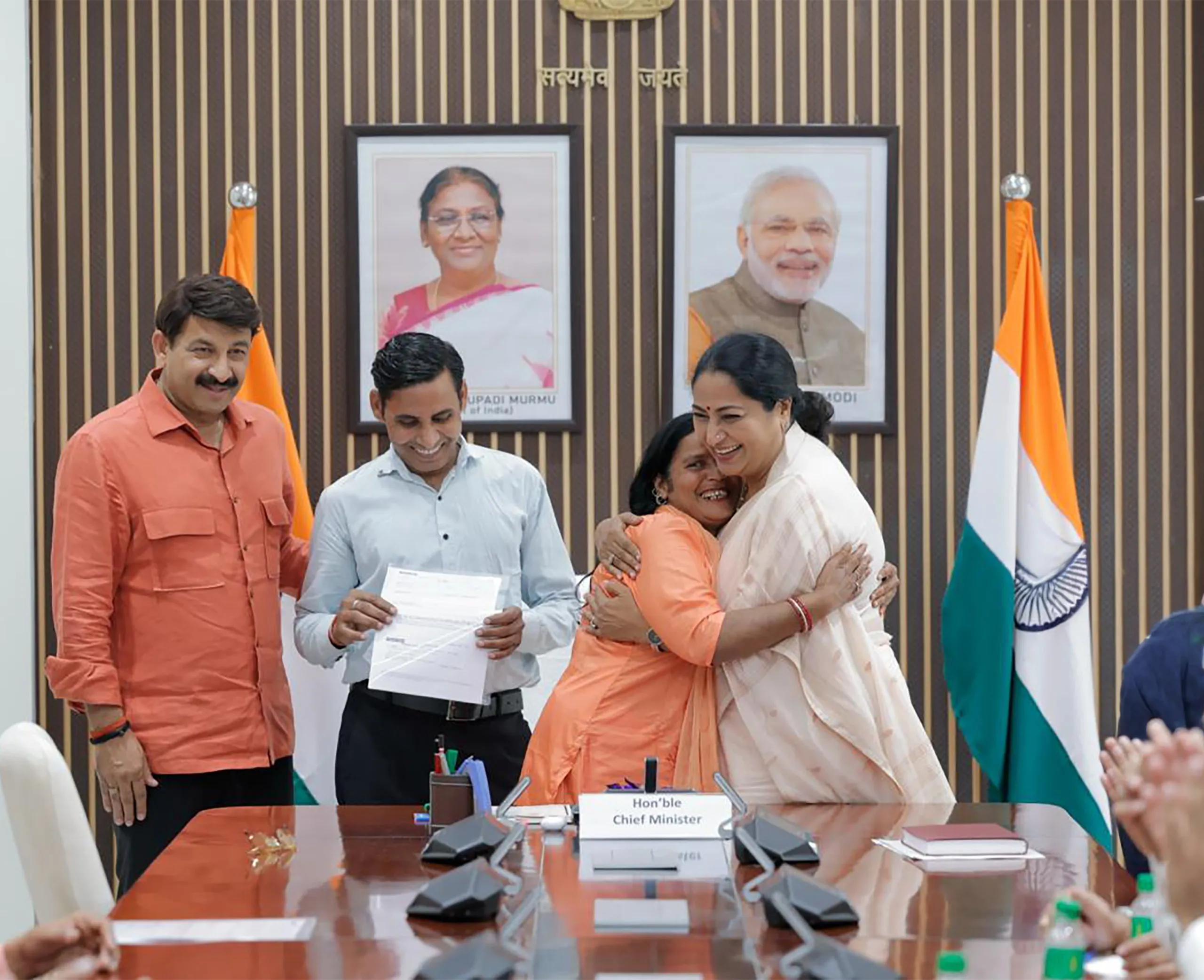
Chief Minister Smt. Rekha Gupta met 36 families from Harsh Vihar's A-3 block at the Jan Seva Sadan, handing over electricity connections to families who had waited since 2018 their issue having been raised directly at a public grievance hearing, following which CM Gupta immediately directed officials and agencies to coordinate and resolve the matter. The families had been living without regular power connections despite the colony being developed by 2018, as land for the required Electric Sub-Station was unavailable. Following the Chief Minister's direct intervention, the required land was identified, a transformer was installed in mission mode and electrification work completed, with most demand notes already issued and all remaining families expected to receive connections shortly. CM Rekha Gupta said public grievance hearings are not merely complaint registration platforms but effective mechanisms for quick resolution of citizens' problems, reaffirming the government's commitment to ensuring basic services reach every last resident in line with PM Modi's vision of 'Sabka Saath, Sabka Vikas, Sabka Vishwas aur Sabka Prayas.'
Read More...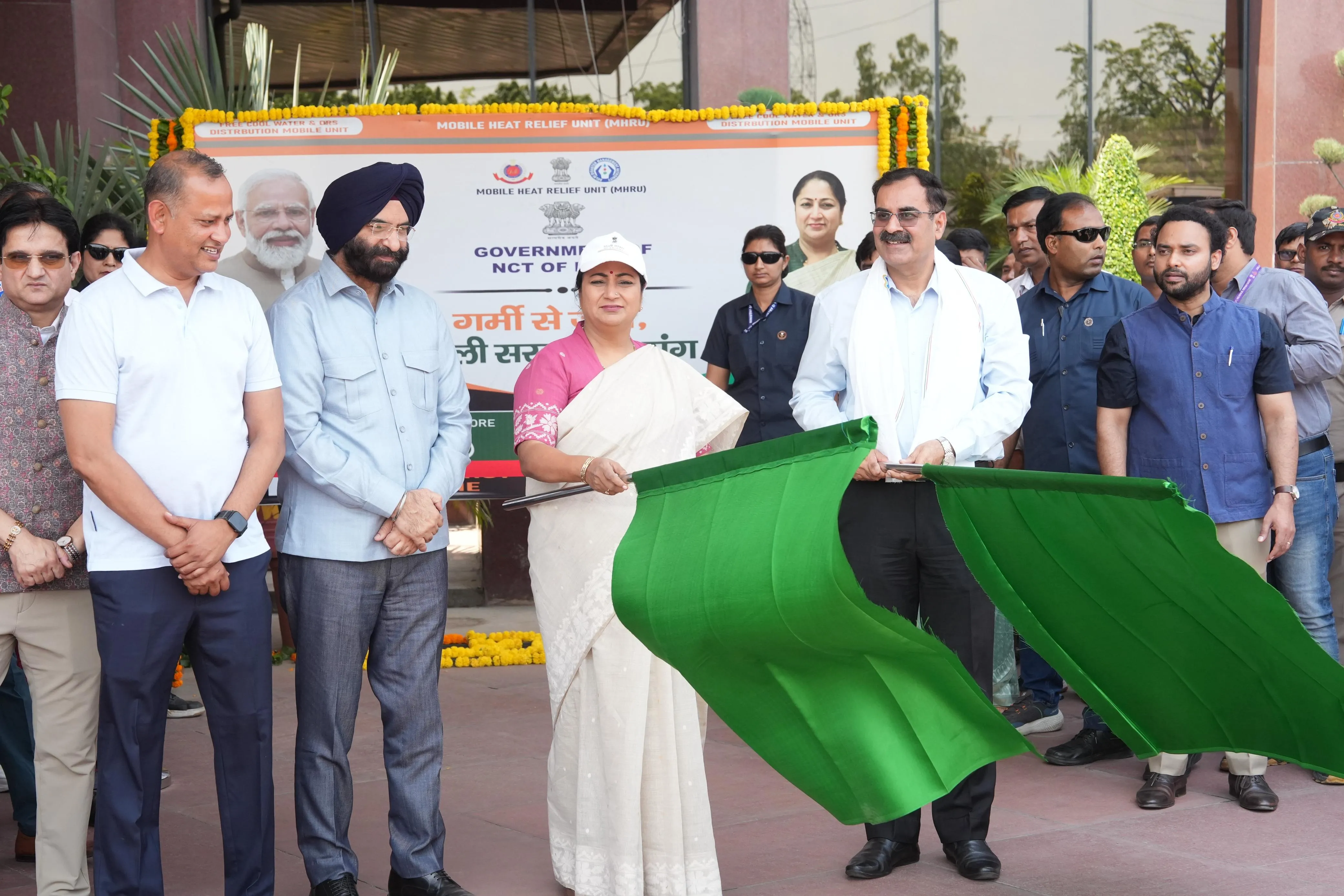
Under the leadership of Chief Minister Smt. Rekha Gupta, Delhi's Mobile Heat Relief Units have provided assistance to approximately 2.65 lakh people across all 13 districts between May 6 and May 23, 2026, distributing 1,13,900 litres of cold drinking water, over one lakh ORS packets, 44,646 gamchas and 30,864 caps to protect citizens, labourers and commuters from extreme heat. Fourteen Cooling Zones have been established across districts including Old Delhi, North-East, North, East, Central North and Central, each equipped with seating for 100 people, cold drinking water, five desert coolers, five high-speed fans, ORS packets, first-aid kits and 10 Civil Defence volunteers. Unit locations are changed daily to maximise reach across crowded areas, with the campaign set to continue until July and similar facilities being extended to remaining districts within the week. CM Rekha Gupta said that in a city like Delhi, where even a glass of cold water is often not easily available to people in need, these ground-level initiatives reflect the government's spirit of public service and humanitarian commitment reaffirming that no person will be left without relief during the intense summer season.
Read More...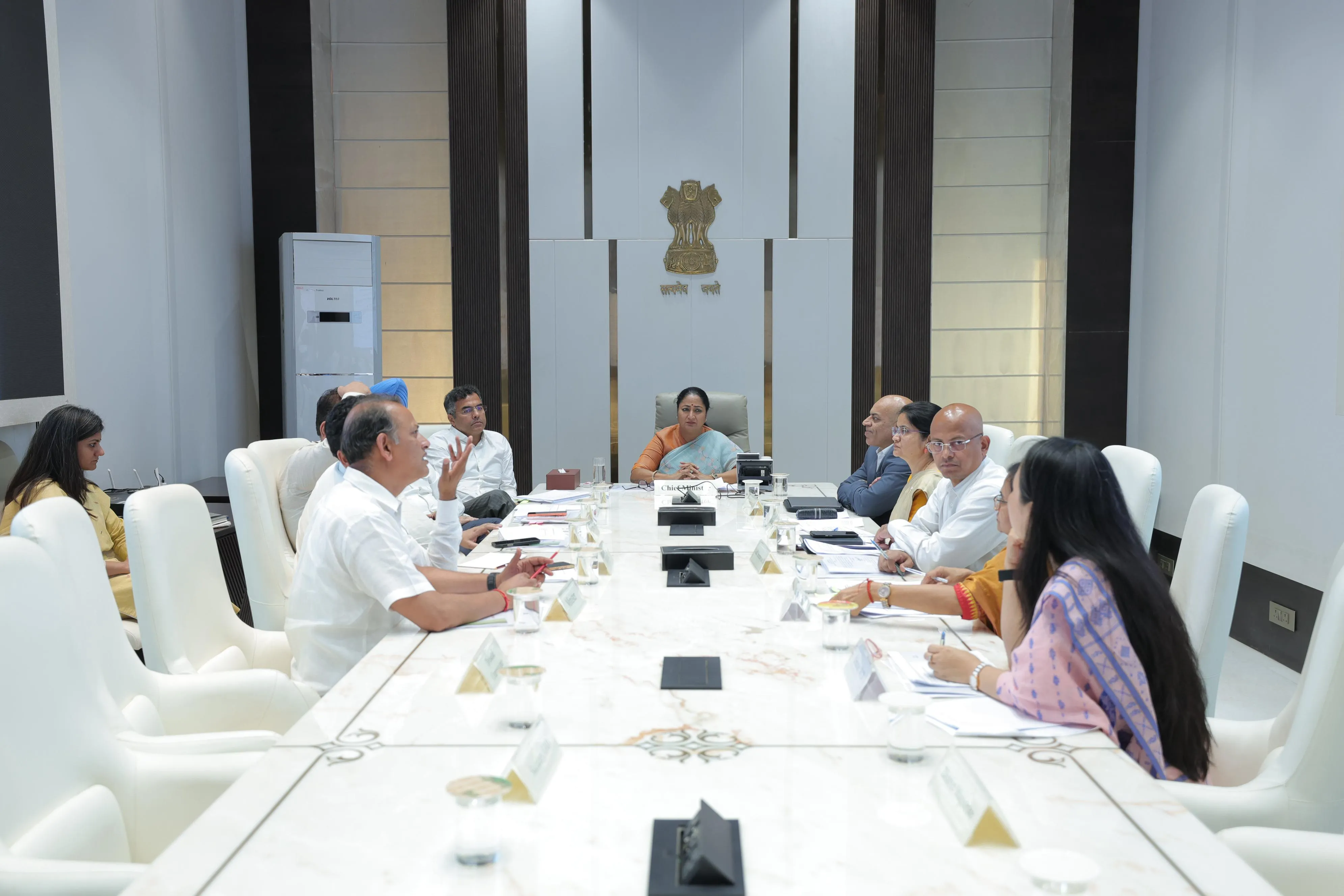
The Delhi Cabinet, chaired by Chief Minister Smt. Rekha Gupta, has approved a substantial salary hike for teachers working under the Vocational Education and Samagra Shiksha Abhiyan programmes. Around 1,131 vocational teachers will now receive ₹38,100 per month, up from the earlier ₹20,000–₹23,000 range, while salaries of teachers at 784 Samagra Shiksha centres have been raised from ₹21,000 to ₹35,420 per month bringing them at par with primary and upper primary teachers. CM Rekha Gupta said the decision is not merely financial but a recognition of the dedication of teachers who work in challenging conditions to bring out-of-school and dropout children back into the education mainstream. The revision also covers teachers at Special Training Centres, which serve as a lifeline for children who have never attended school, helping reintegrate them into mainstream education a goal the Chief Minister described as a top priority for the Delhi government. Reaffirming the government's commitment to inclusive education, CM Rekha Gupta said motivated and financially secure teachers are key to delivering quality education, adding that regular monitoring, parental counselling and inter-departmental coordination are being strengthened across all Special Training Centres to ensure no child in Delhi is left behind.
Read More...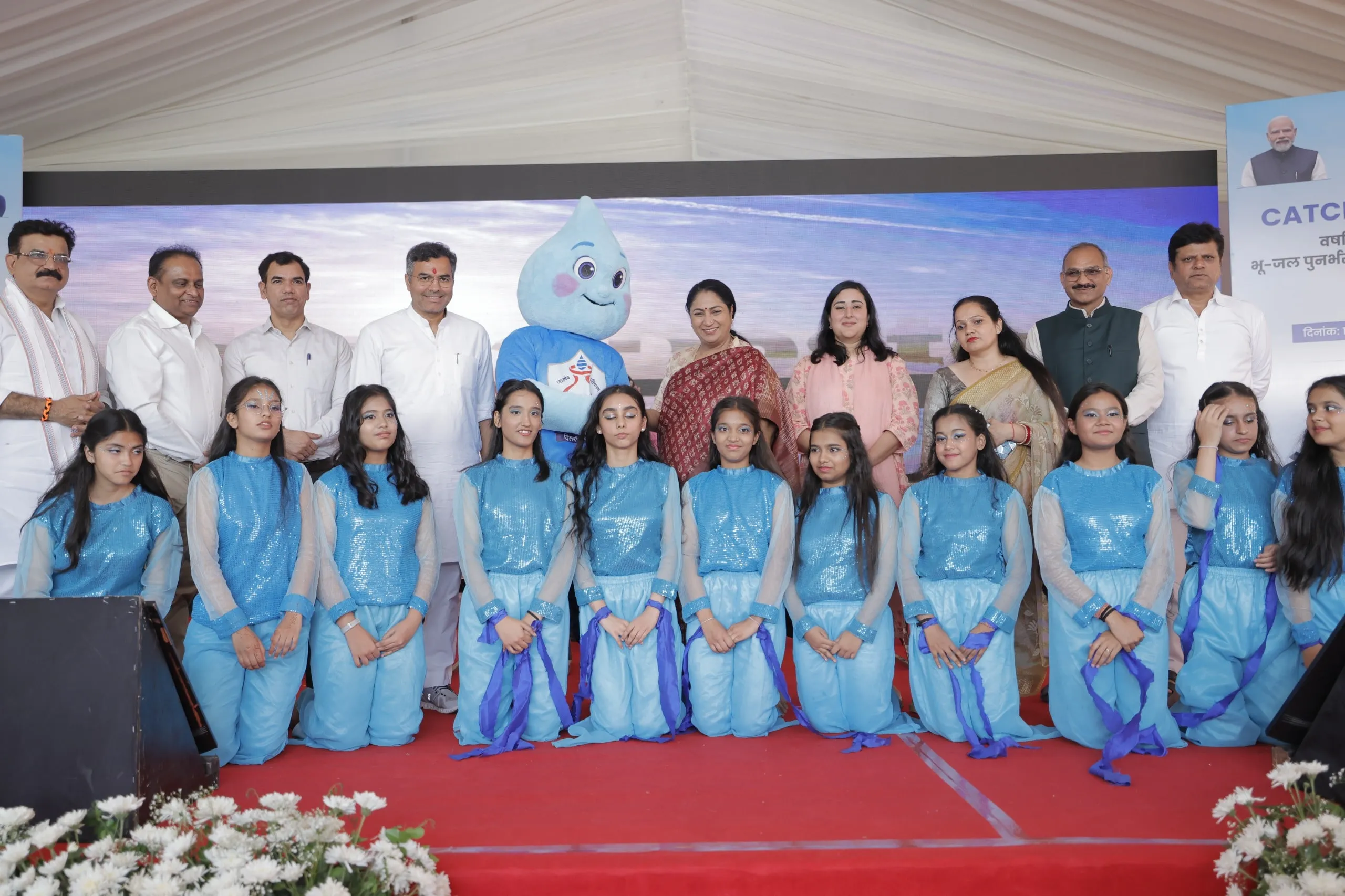
Delhi Chief Minister Smt. Rekha Gupta on Friday launched the 'Catch the Rain 2026' campaign at a Delhi Jal Board event, unveiling the official water mascot 'Neera' and renewing the city's focus on rainwater harvesting and groundwater recharge. Reaffirming PM Narendra Modi's call of 'Catch the Rain, where it falls, when it falls', CM Gupta said water is not merely a resource but the foundation of life and a safeguard for future generations. As part of the campaign, rainwater harvesting systems will be made mandatory for all buildings measuring 100 square metres or more, with citizens adopting the system eligible for a rebate of up to 10% on their water bills. The Delhi Jal Board will provide financial support of up to ₹50,000 along with technical assistance for installations, while rainwater harvesting will also be made compulsory across all government offices with existing systems brought under digital monitoring for accountability and efficiency. CM Rekha Gupta said Delhi's water crisis demands immediate and decisive action, with rising population, rapid urban development and depleting groundwater levels making conservation a shared responsibility. Describing coordinated efforts under a 'triple-engine government' with full central support and municipal cooperation, she urged every citizen to adopt rainwater harvesting across homes, rooftops and institutions emphasising that 'Catch the Rain must become a commitment, not just a slogan.'
Read More...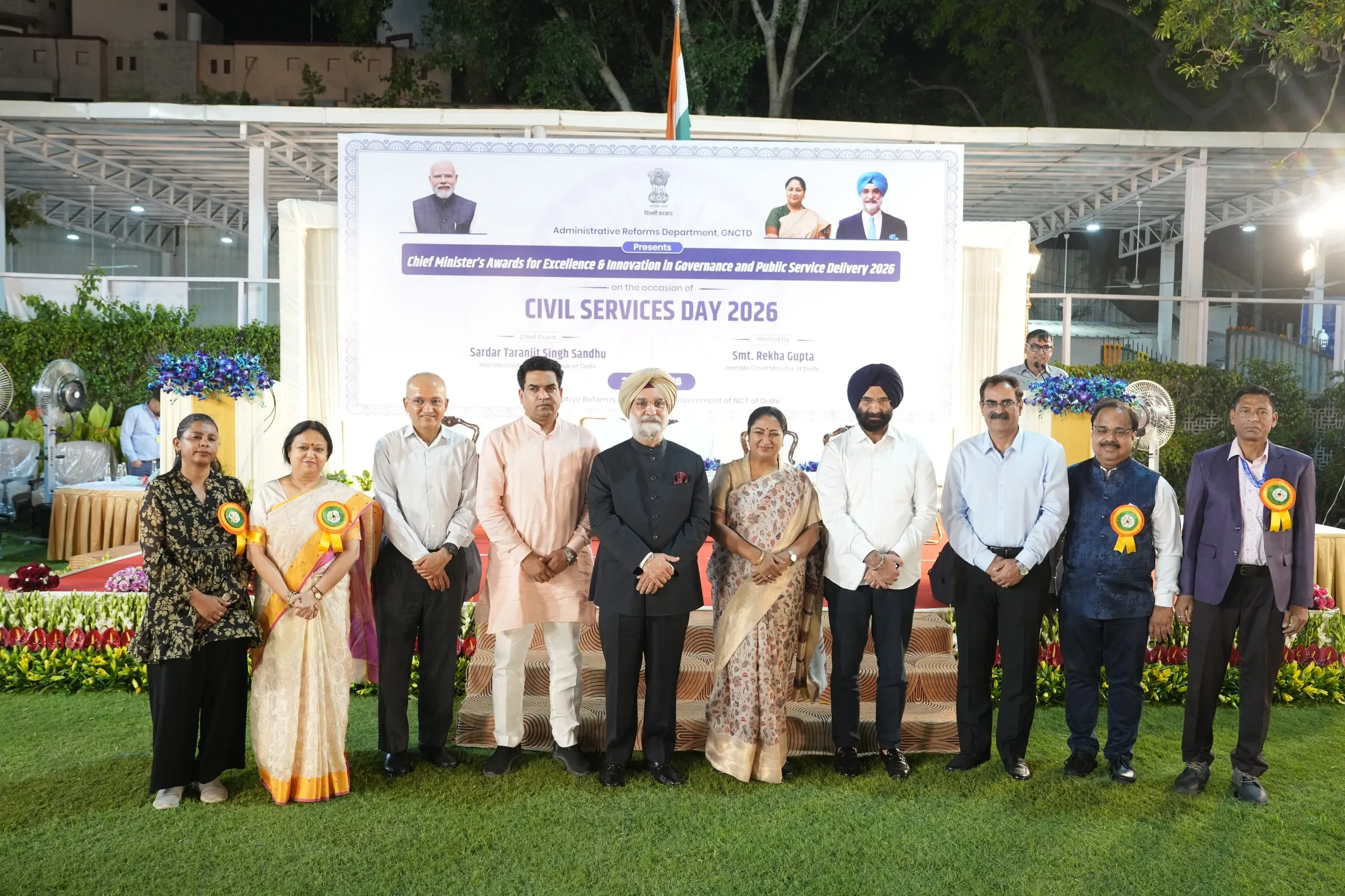
On the occasion of Civil Services Day, Delhi Lieutenant Governor Sardar Taranjit Singh Sandhu and Chief Minister Smt. Rekha Gupta jointly presented the inaugural 'Chief Minister's Awards for Excellence and Innovation in Governance and Public Service Delivery 2026', honouring 35 outstanding officials across four categories for their exceptional contributions to strengthening governance and improving public service delivery. LG Sandhu said civil service is about upholding public trust, emphasising that true governance lies in how transparently and efficiently services reach the last person. CM Rekha Gupta described civil service as a commitment to nation-building, adding that the awards inspired by the Prime Minister's Awards for Excellence launched in 2014 will foster a healthy competitive environment and strengthen work culture across Delhi's administration. Awardees were selected through a transparent high-level committee chaired by the Chief Secretary, recognising innovation, emergency management and digital governance improvements across departments including Education, Revenue, Health, PWD, DMRC, DJB and Tihar Jail, among others. The Delhi government announced that these awards will now be conferred annually every Civil Services Day, reaffirming its commitment to taking Delhi's governance model to global standards through citizen-centric policies and administrative excellence.
Read More...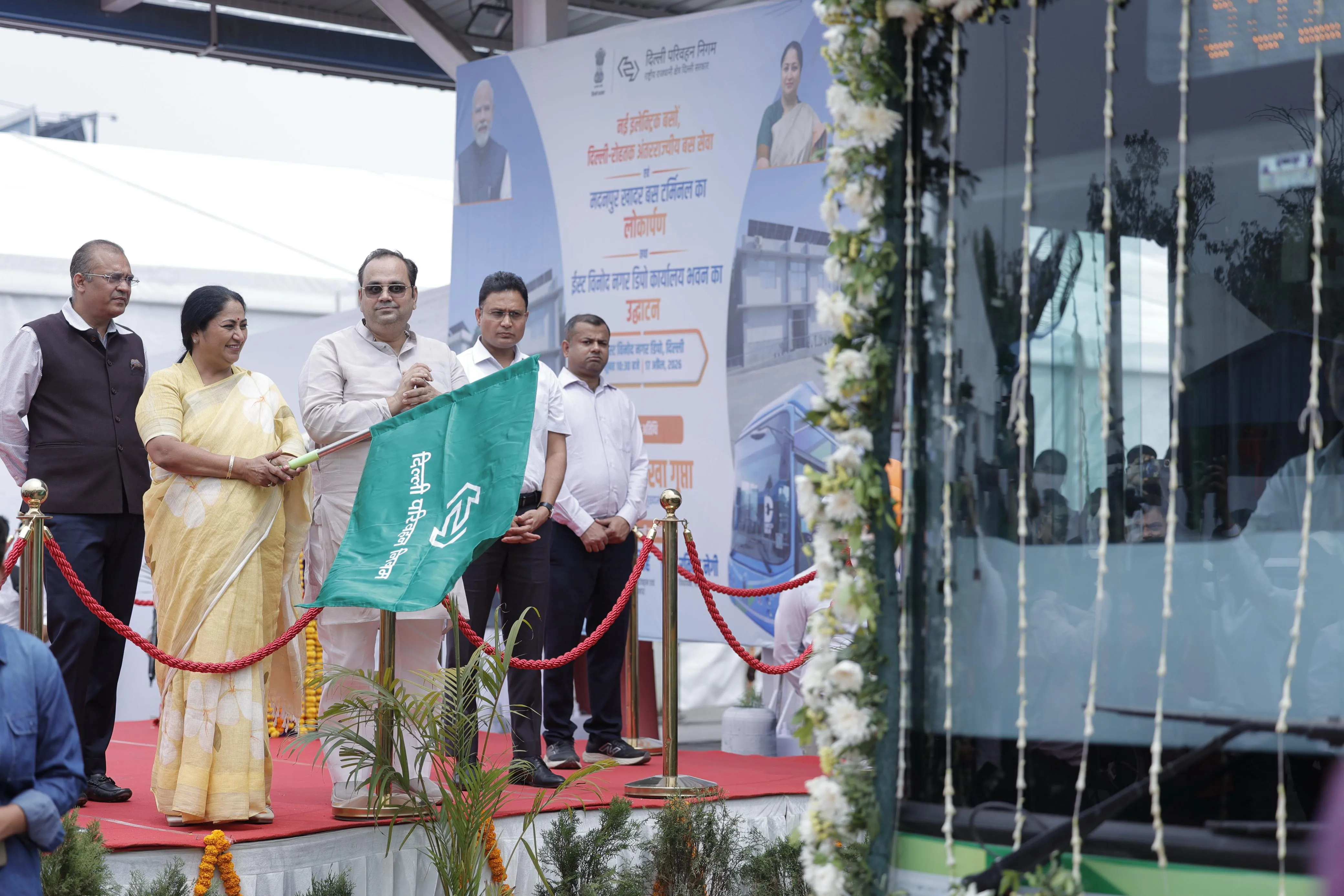
Chief Minister Smt. Rekha Gupta on Friday flagged off 200 new electric buses from DTC's East Vinod Nagar depot, launched the Delhi-Rohtak interstate e-bus service, dedicated the Madanpur Khadar bus terminal to the public and inaugurated the newly constructed administrative building at East Vinod Nagar marking four landmark initiatives in a single day. With Delhi's total fleet crossing 6,300, including 4,500+ electric buses, the capital now holds the largest electric bus fleet in the country, targeting 14,000 buses by 2028-29. A budget of ₹4,000 crore has been allocated under the Delhi EV Policy for the next four years, with an EV Waste Disposal Plant announced for Okhla to ensure scientific battery disposal. Transport Minister Dr. Pankaj Kumar Singh noted that DTC revenue has grown by ₹173 crore over the previous year, while the Madanpur Khadar Terminal near Kalindi Kunj Metro Station will operate 22 buses across multiple routes, featuring differently-abled ramps and rainwater harvesting infrastructure.
Read More...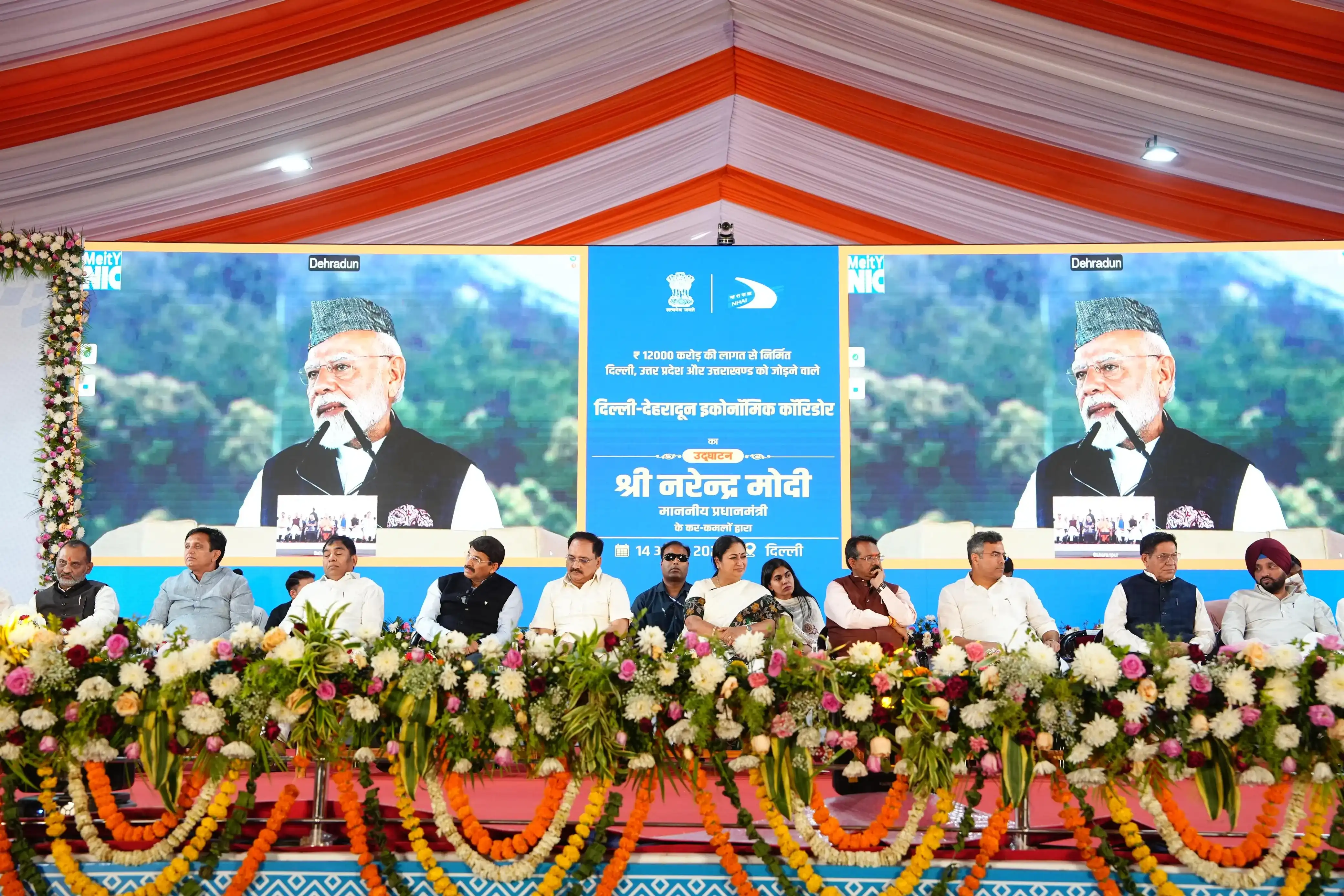
On the birth anniversary of Dr. B. R. Ambedkar, Prime Minister Shri Narendra Modi dedicated the Delhi-Dehradun Expressway to the nation, with Delhi Chief Minister Smt. Rekha Gupta joining virtually and describing the ₹12,000 crore project as a landmark milestone in Delhi's development and a true confluence of modern infrastructure with the spiritual ethos of Devbhoomi Uttarakhand. CM Rekha Gupta highlighted that projects worth nearly ₹1.25 lakh crore are currently underway in Delhi under the Union Ministry of Road Transport and Highways, reshaping the capital's urban landscape. She noted that India's expressway network has expanded to over 3,000 km while the national highway network has grown from 51,000 km to nearly 1,46,000 km a testament to the country's accelerated infrastructure growth under PM Modi's leadership. Emphasising the strength of double-engine governance, CM Rekha Gupta said better coordination between the Centre and Delhi government is driving faster progress across education, healthcare and infrastructure. She also highlighted the proposed ₹5,000 crore elevated road along the Munak canal to ease traffic congestion, expressing confidence that Delhi is well-positioned to achieve new milestones in urban transformation in line with PM Modi's vision of 'Viksit Bharat 2047'.
Read More...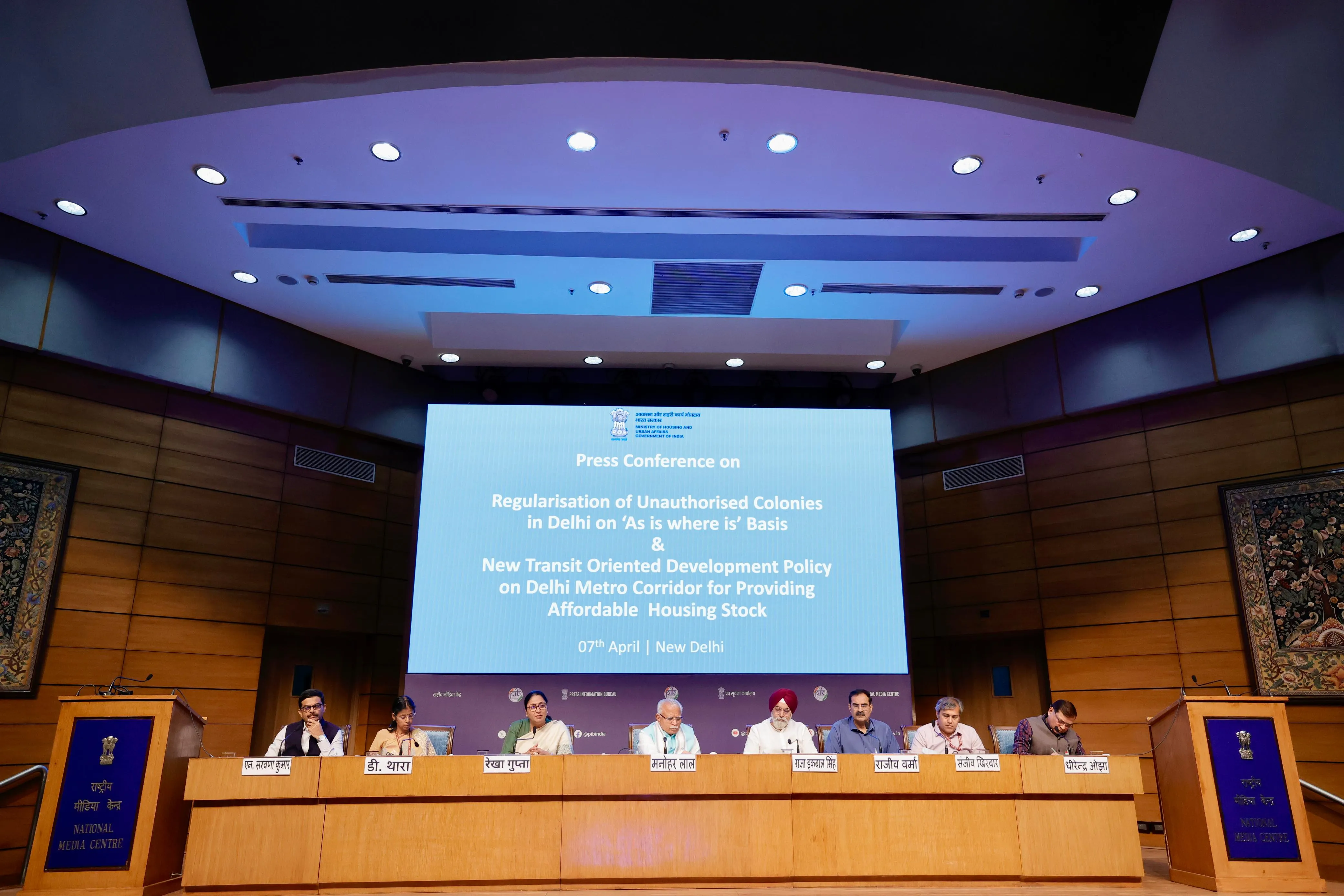
Chief Minister Smt. Rekha Gupta thanked PM Narendra Modi and Union Minister Manohar Lal Khattar for the PM-UDAY scheme, which clears the path for regularisation of 1,511 out of 1,731 unauthorised colonies, benefiting approximately 45 lakh residents with long-awaited property rights. The application process begins April 24, with GIS survey in 7 days and conveyance deed issued within 45 days. With 22 major hurdles removed by the Centre and Delhi government together, small shops up to 20 square metres will also be regularised, while the TOD policy will drive high-density, mixed-use development within 500 metres of Metro and RRTS corridors.
Read More...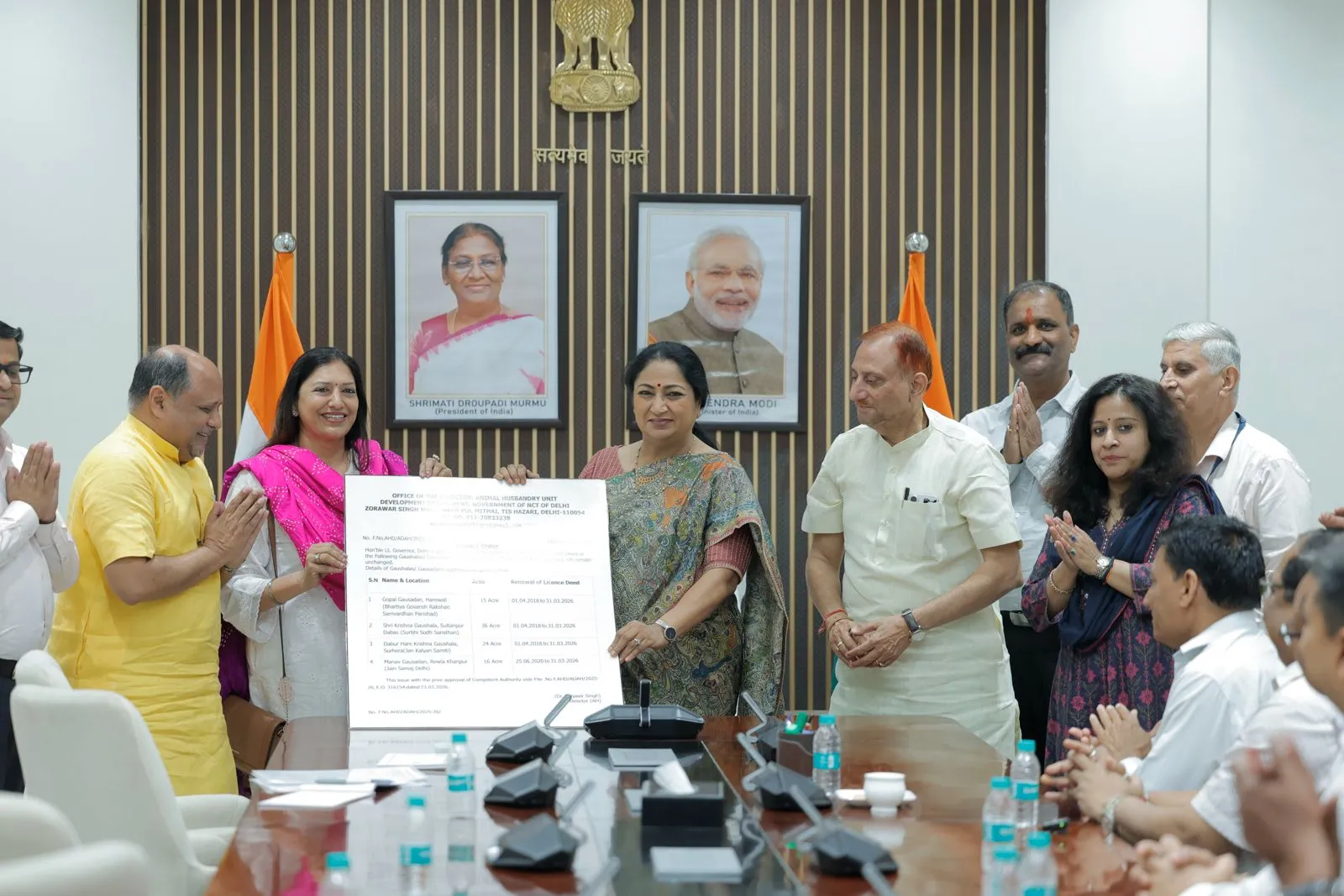
Delhi Chief Minister Smt. Rekha Gupta on Monday handed over lease extension certificates and financial assistance to representatives of four gaushalas at the Chief Minister's Jan Seva Sadan, releasing a total of ₹20.26 crore - comprising ₹7.64 crore towards pending liabilities from June 2024 to March 2025 and ₹12.62 crore towards fodder expenses from April 2025 to January 2026. The gaushalas located in Sultanpur Dabas, Rewla Khanpur, Harewali and Surhera - responsible for the care, feeding and medical treatment of stray cattle - also had their long-pending licenses and lease agreements renewed, ensuring uninterrupted food supply, safe shelter and improved veterinary care. The initiative further aims to promote clean energy generation through biogas infrastructure using cow dung, strengthening environmental sustainability across the capital. CM Rekha Gupta announced that 10 modern gaushalas will be developed in the first phase, with plans to equip 40 gaushalas with all necessary facilities in the near future. She emphasised that gaushalas are not merely animal shelters but centres of service and compassion, adding that protecting stray and abandoned cattle in a city like Delhi is a moral responsibility of the government - one that goes beyond financial assistance and reflects a firm commitment to animal rights and humane treatment.
Read More...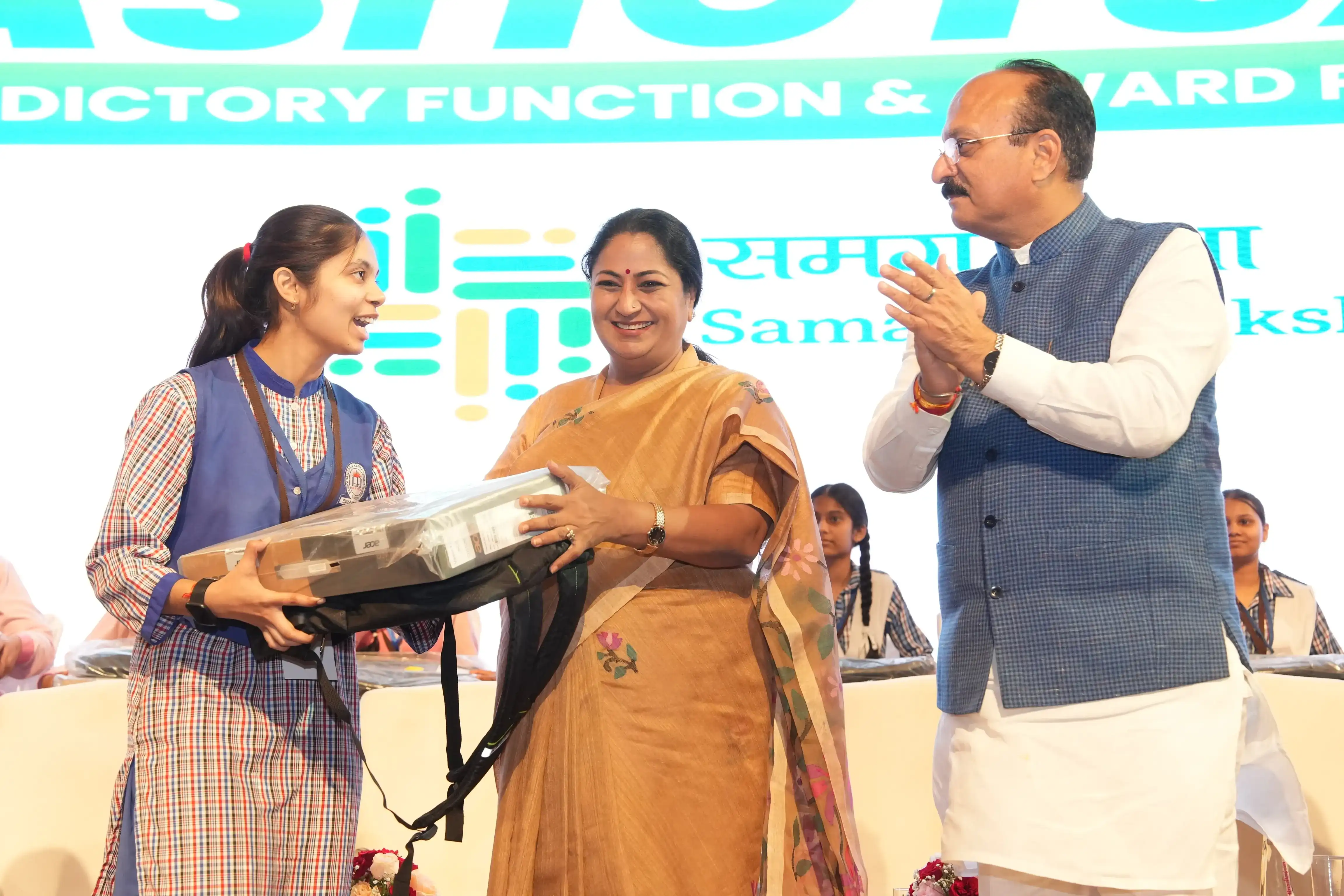
Delhi Chief Minister Smt. Rekha Gupta on Saturday attended the valedictory ceremony of Yashotsav 2026 at Yashobhoomi, Dwarka, felicitating 1,200 top-ranking students with laptops, honouring winners of the Delhi Khel Mahakumbh 2025-26, and recognising 222 high-achieving students from Classes 10 and 12 along with 34 top-performing schools. Addressing the gathering, CM Rekha Gupta highlighted that nearly 9,000 classrooms have been equipped with smart boards in 2025-26, with computer labs set up in 275 schools and digital libraries introduced in 100 schools. She reaffirmed the government's commitment to building a modern digital learning ecosystem aligned with the National Education Policy 2020, ensuring students are prepared for global competition. Under the 'Mukhyamantri Khel Protsahan Yojana', ₹50 crore has been released to support athletes with training and resources. Education Minister Ashish Sood noted that the Delhi Khel Mahakumbh provided a platform to over 25,000 athletes, with incentives of up to ₹7 crore, ₹5 crore and ₹3 crore fixed for Olympic gold, silver and bronze medal winners respectively. He emphasised that with nearly ₹19,000 crore earmarked for education in the historic ₹1.03 lakh crore budget, Delhi is firmly on course to emerge as the country's leader in both education and sports.
Read More...
Chief Minister Smt. Rekha Gupta inaugurated the International Film Festival Delhi (IFFD) 2026 at Bharat Mandapam, Pragati Maidan, marking a landmark moment in establishing Delhi as a global film hub alongside Mumbai, Pune and Goa. The grand ceremony featured a red carpet, cultural performances, gala premieres and the screening of the opening film 'SIRÂT', with eminent personalities including Sharmila Tagore, Kangana Ranaut, Hema Malini, Vicky Kaushal, Manoj Bajpayee and Anupam Kher gracing the occasion. CM Rekha Gupta described the festival as a celebration of dreams, emotions and stories that transcend language and geographical boundaries, adding that Delhi — long a centre of art, culture and creativity — is now emerging as a 'Creative Capital' of India. Special initiatives including 'CineXchange' for emerging filmmakers and 'Her Lens' for women filmmakers reflect the festival's commitment to inclusive and empowering cinema. Running from March 25 to 31 at Bharat Mandapam and PVR cinemas across Delhi, IFFD 2026 will feature over 125 films, masterclasses on scriptwriting, acting and cinematography, panel discussions on AI in filmmaking and regional cinema, and a special restored screening of the iconic 'Sholay'.
Read More...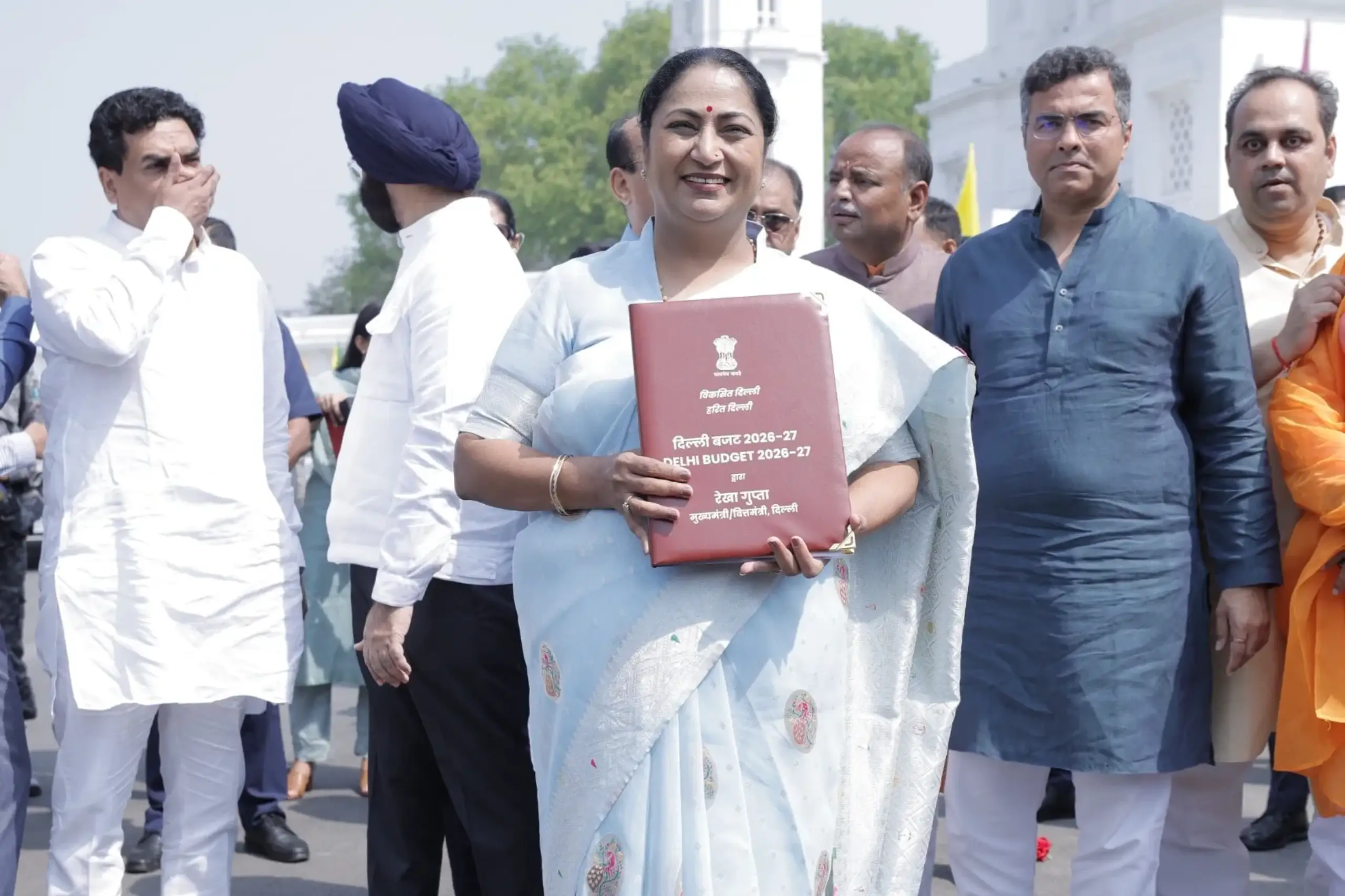
Delhi Chief Minister Smt. Rekha Gupta on Tuesday presented an ambitious Budget of ₹1,03,700 crore for 2026-27 — marking a 3.7% increase over the previous year — with Delhi becoming the first state to present a dedicated 'Green Budget', allocating ₹22,236 crore for environmental protection and sustainable development. Education received the largest allocation at ₹19,148 crore, with 1.3 lakh Class 9 girls to receive free bicycles, meritorious Class 10 students to get laptops, and 8,777 new smart classrooms to be added this year. The health sector received ₹12,645 crore, with over 750 new Ayushman Arogya Mandirs, expansion of Ayushman Bharat coverage to 7.5 lakh beneficiaries, and the launch of the 'Anmol' scheme providing free screening of 56 conditions in newborns using a single drop of blood. On transport, the government targets 12,000 e-buses by 2029, with 6,130 new electric buses under the PM e-Drive scheme and two new NaMo Bharat corridors — Delhi-SNB and Delhi-Panipat-Sonepat — expected to cut travel time by up to 60%. Infrastructure sees a major push with 750 km of roads to be redeveloped, 13 mini secretariats across districts, and a 'Bhu-Aadhaar' system to digitise all land records. Women's welfare received ₹7,406 crore, including the 'Delhi Lakhpati Bitiya' scheme offering ₹61,000 in financial support from birth to graduation, free LPG cylinders during Holi and Diwali, and 1,000 women to be assisted with e-auto permits under the 'DURGA' scheme.
Read More...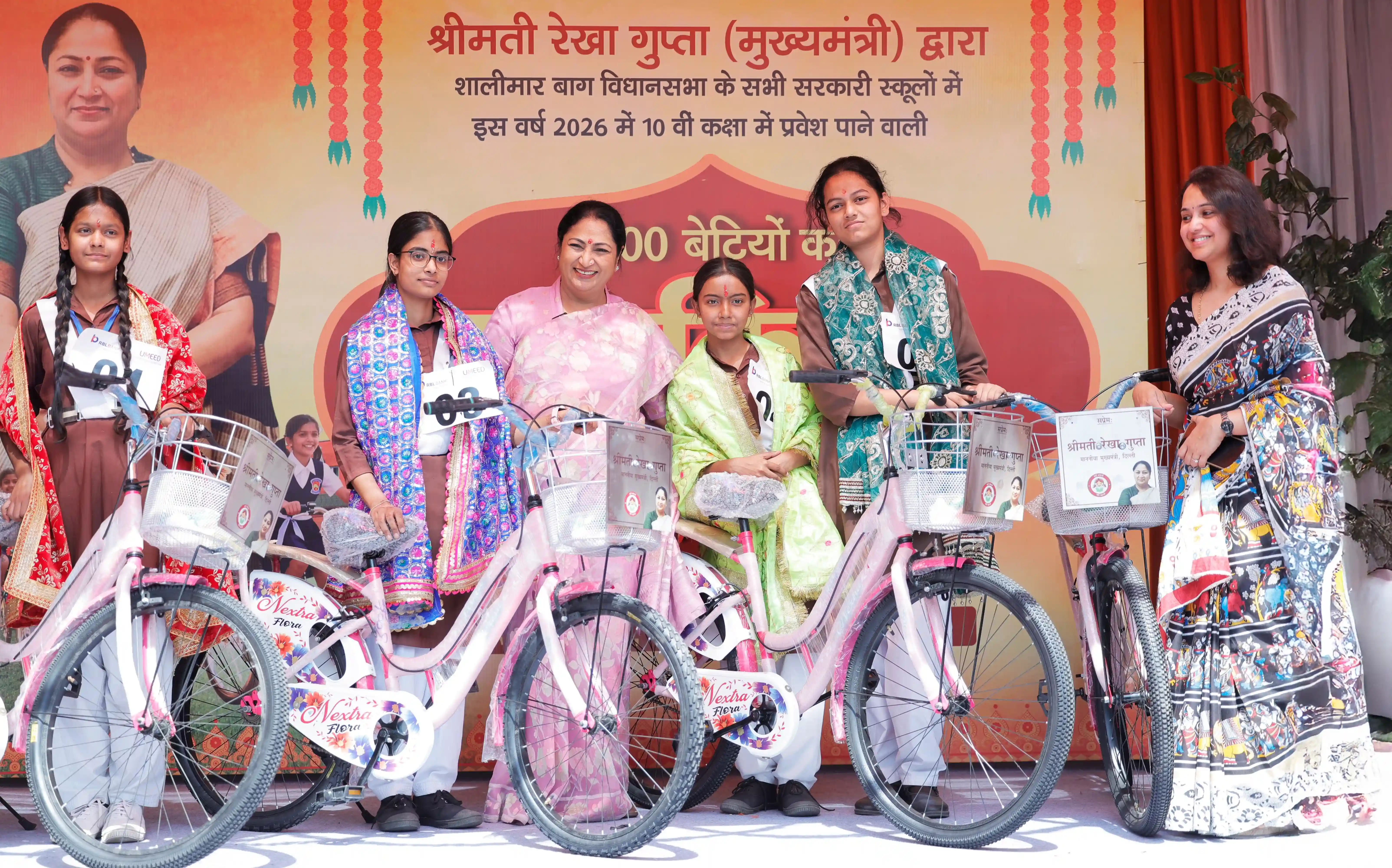
On the auspicious occasion of Durga Ashtami, Delhi Chief Minister Smt. Rekha Gupta distributed bicycles to 1,100 schoolgirls entering Class 10 at the Sarvodaya Vidyalaya campus in Pitampura, with several students growing emotional upon receiving the bicycles. Addressing the gathering, CM Gupta described daughters as 'divine', extended festive greetings and energised the crowd with chants of 'Jai Mata Di.' The Chief Minister announced that under the government scheme, around 1.3 lakh girls entering Class 9 every year will receive free bicycles to address commuting challenges that often led to irregular attendance and dropouts. She also highlighted the Lakhpati Bitiya Yojana, under which financial assistance will be deposited directly into a girl's account at multiple stages — from birth through college graduation — with each beneficiary expected to receive around ₹1.25 lakh, enabling confidence and independence. CM Rekha Gupta further announced the 'Pink Auto' scheme, under which 1,000 new auto permits will be issued to women for dignified employment and economic self-reliance.
Read More...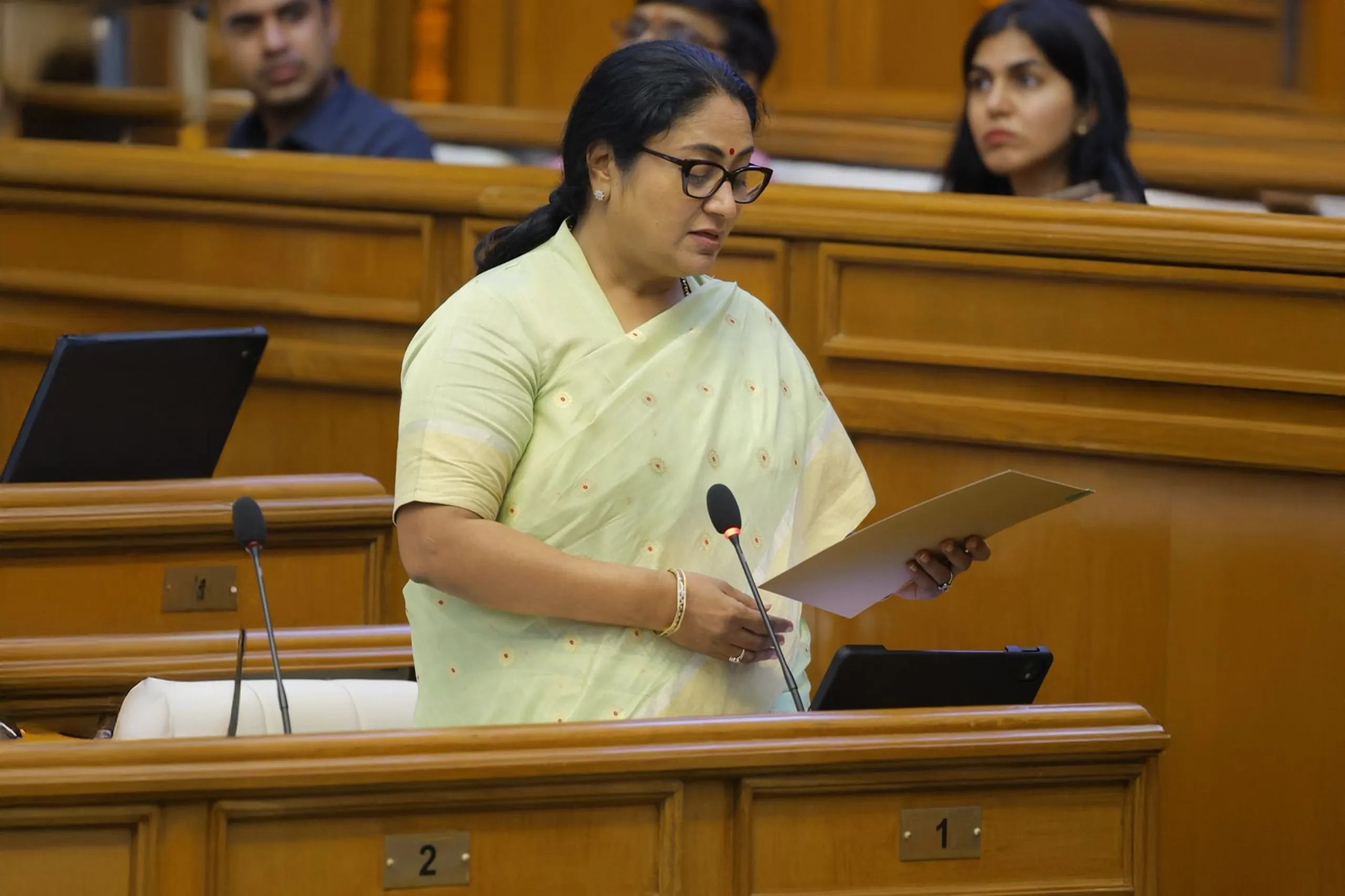
Per capita income touches ₹5.31 lakh — two-and-a-half times the national average — as Delhi cements its status as India's economic powerhouse Delhi Chief Minister Smt. Rekha Gupta on Monday presented the Economic Survey 2025-26 on the first day of the Budget Session, revealing that Delhi's GSDP has reached ₹13.27 lakh crore with an impressive growth of 9.42%, while per capita income stands at ₹5.31 lakh - approximately 2.5 times higher than the national average. The service sector continues to dominate Delhi's economy, contributing 86.32% to Gross State Value Added (GSVA), with the total budget for 2025-26 standing at ₹1,00,000 crore. Transport received the largest sectoral allocation at 20%, followed by social security and welfare at 17%, water supply and sanitation at 15%, education at 13%, and health at 12%. On the public transport front, Delhi's electric bus fleet has grown from 2,150 in April 2025 to 4,338 by March 2026, with DMRC recording an average daily ridership of approximately 67 lakh passengers. Meanwhile, Delhi government schools achieved pass percentages of 97.7% in Class 10 and 98.3% in Class 12, with 75 CM SHRI Schools established under the National Education Policy 2020. Healthcare infrastructure has expanded to 15,659 hospital beds across government facilities, supported by 370 Ayushman Arogya Mandirs and 16 mobile health units serving millions across the capital.
Read More...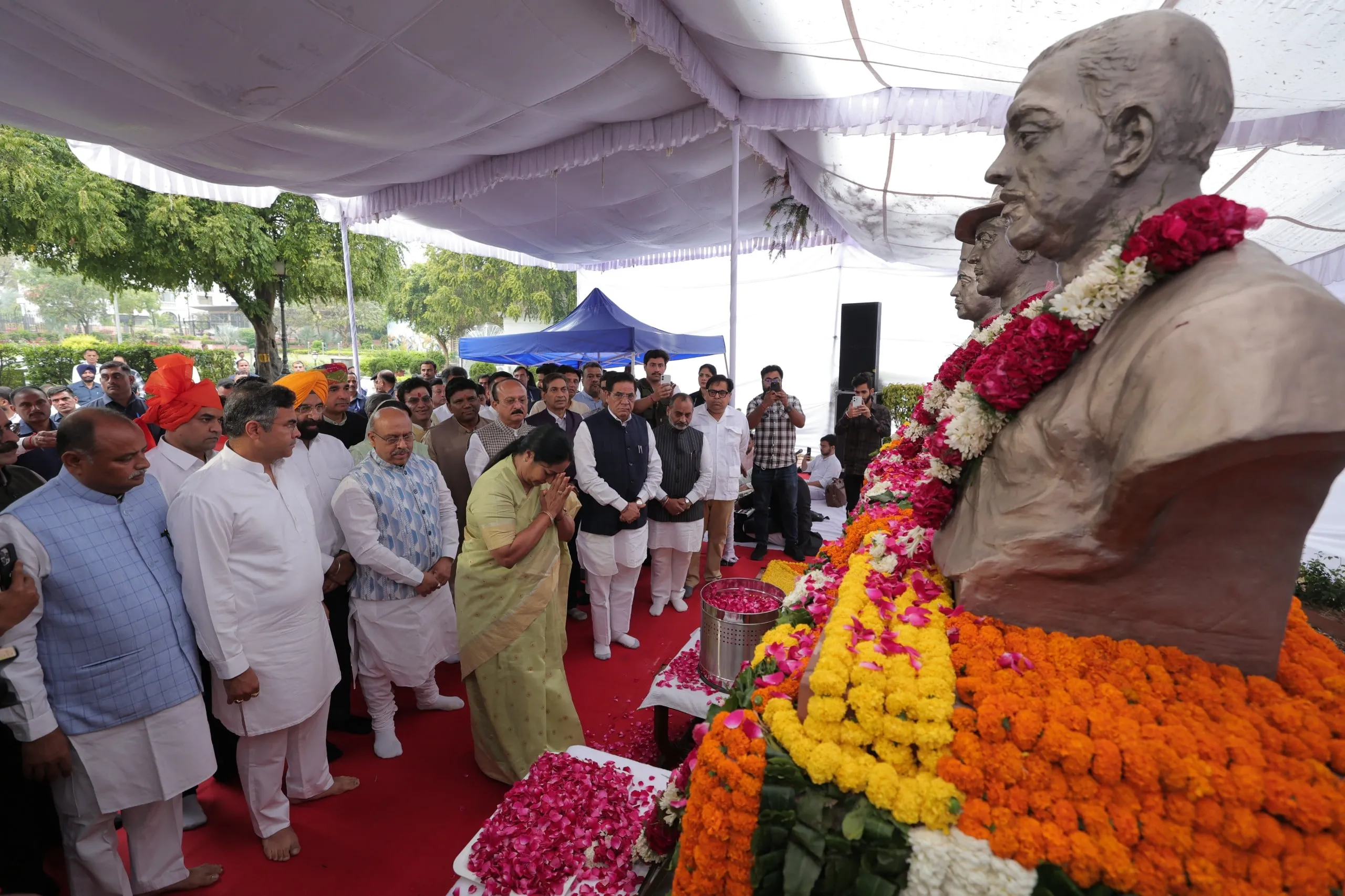
On the solemn occasion of Shaheed Diwas, Delhi Chief Minister Rekha Gupta unveiled a grand statue of Shaheed-e-Azam Sardar Bhagat Singh at the RCS office premises on Parliament Street, alongside the inauguration of the meticulously restored Historical Court Trial Room — the very site where legendary freedom fighters Bhagat Singh, Rajguru, and Sukhdev were tried during India's independence struggle. Addressing the gathering, CM Rekha Gupta said March 23 is a day of immense pride and emotional remembrance for the entire nation, adding that the restoration of this historic site is not merely a construction project but a vital effort to preserve national heritage and allow future generations to connect with the glory of the freedom struggle. Minister Ravinder Indraj Singh noted that the statue and restored courtroom serve as a lasting source of inspiration, especially for the youth, to learn closely about Bhagat Singh's life, ideologies, and martyrdom. Earlier in the day, CM Rekha Gupta also paid floral tributes at the statues of Bhagat Singh, Sukhdev, and Rajguru at the Delhi Assembly complex.
Read More...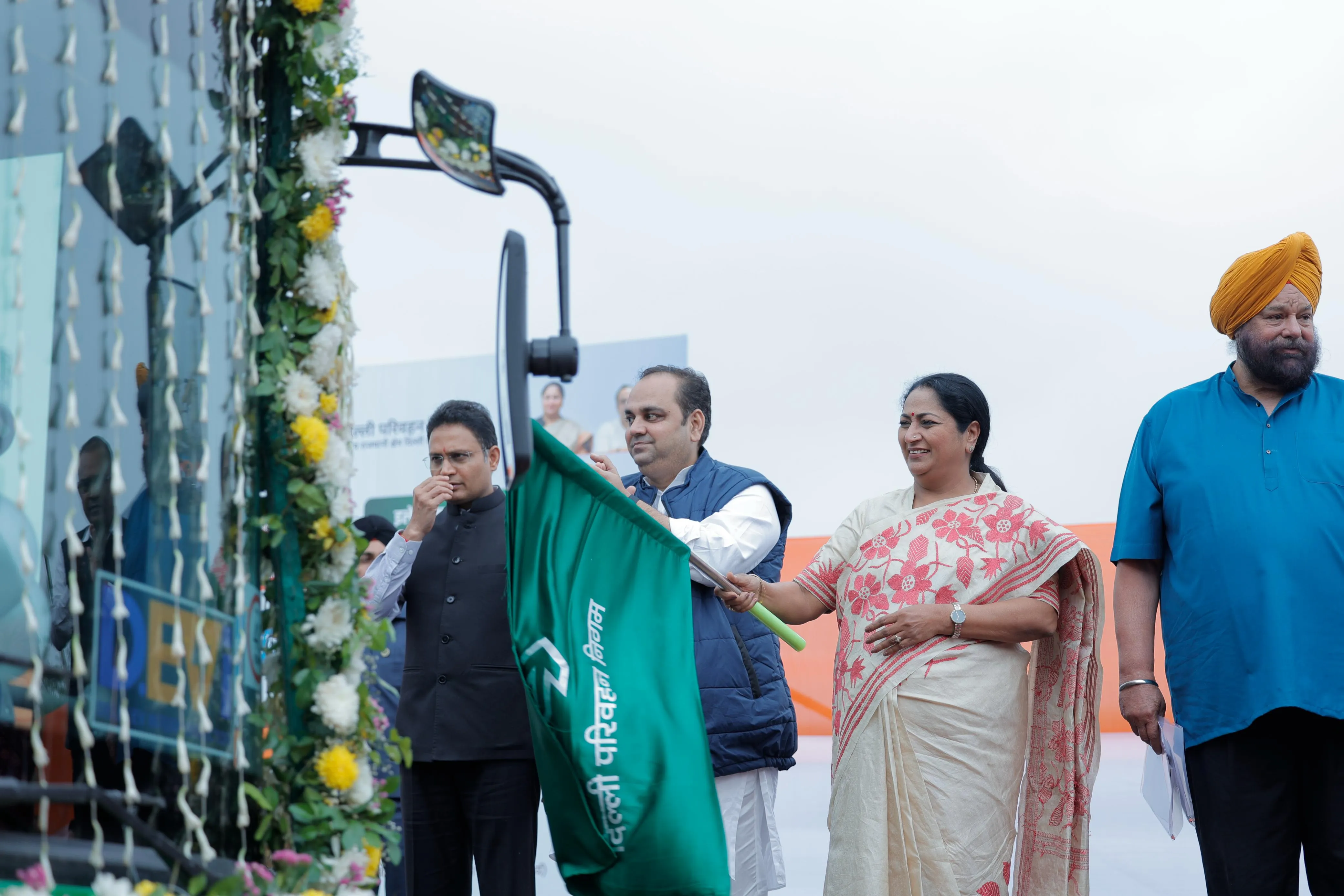
Delhi Chief Minister Smt. Rekha Gupta on Friday flagged off 300 new electric buses, launched a Nanaksar–Ghaziabad inter-state e-bus service, and disbursed over ₹24 crore in EV subsidies to 12,877 beneficiaries via Direct Benefit Transfer at the Indraprastha Bus Depot. Delhi's total bus fleet has now crossed 6,100, with the city rapidly advancing toward its target of 5,000 electric buses. Equipped with CCTV cameras, panic buttons, real-time tracking, and disability-friendly facilities, the new buses mark a significant upgrade to the capital's public transport network. Transport Minister Dr. Pankaj Kumar Singh confirmed that DTC is steadily moving toward financial stability, with modernised depots, redeveloped ISBTs, and legacy liabilities being cleared - all aimed at building a cleaner, safer, and future-ready Delhi.
Read More...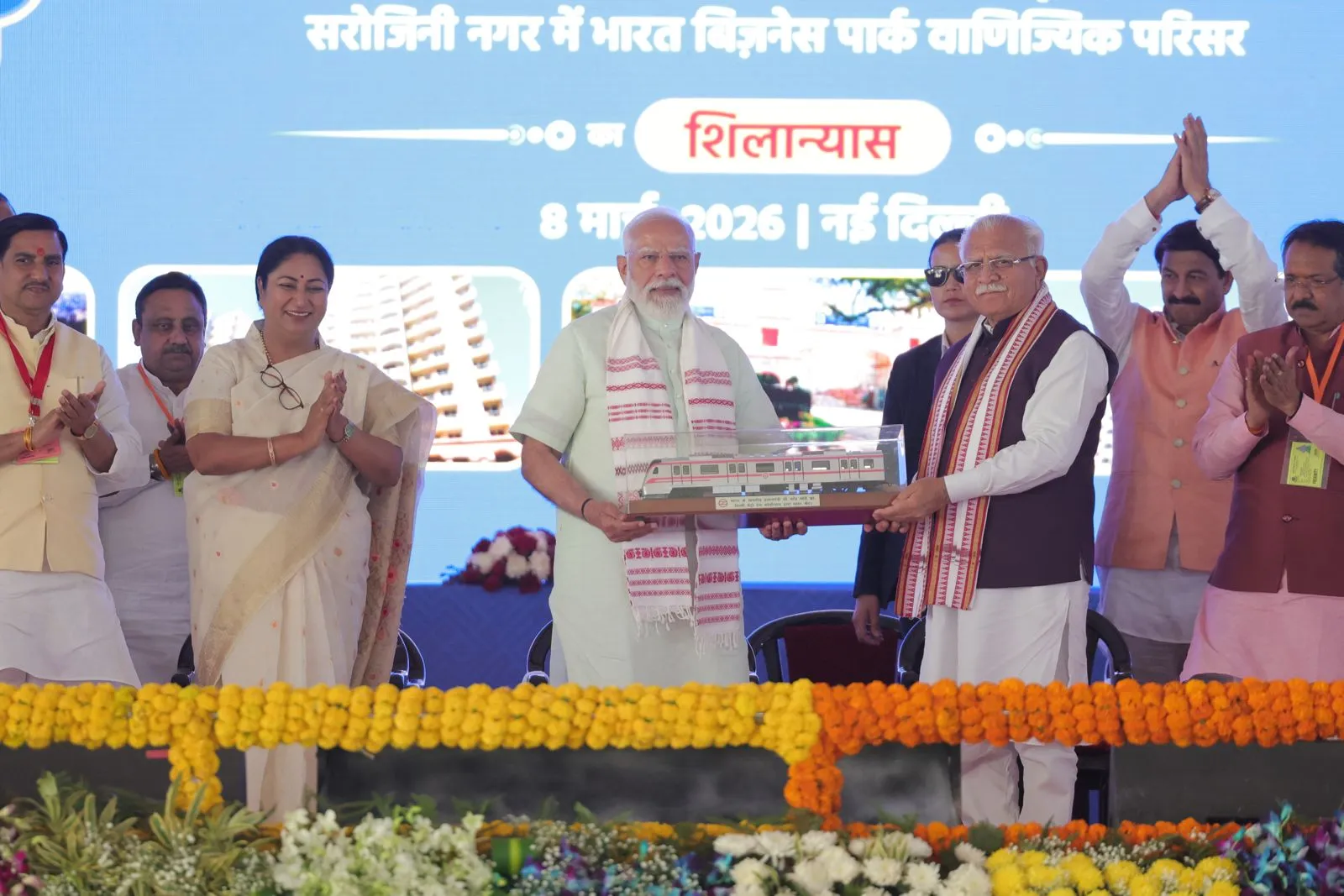
Chief Minister Smt. Rekha Gupta expressed gratitude to Prime Minister Shri Narendra Modi for inaugurating two Metro corridors - Majlis Park to Maujpur–Babarpur (12 km) and Majlis Park to Deepali Chowk (9 km)- and laying foundation stones for three new Phase V(A) corridors worth over ₹18,000 crore on International Women's Day. This historic expansion brings Metro connectivity for the first time to Trans-Yamuna areas including Wazirabad, Khajuri Khas, Bhajanpura, Yamuna Vihar, and Karawal Nagar, benefiting millions with faster, safer travel. The government has completed one year with achievements including 70 Atal Canteens serving 70,000 daily, ₹200 crore disbursed to 70,000 girls under Ladli Scheme, 7,000 smart classrooms, 275 computer labs, and 100 digital libraries, strengthening Delhi's connectivity and modern public transport infrastructure.
Read More...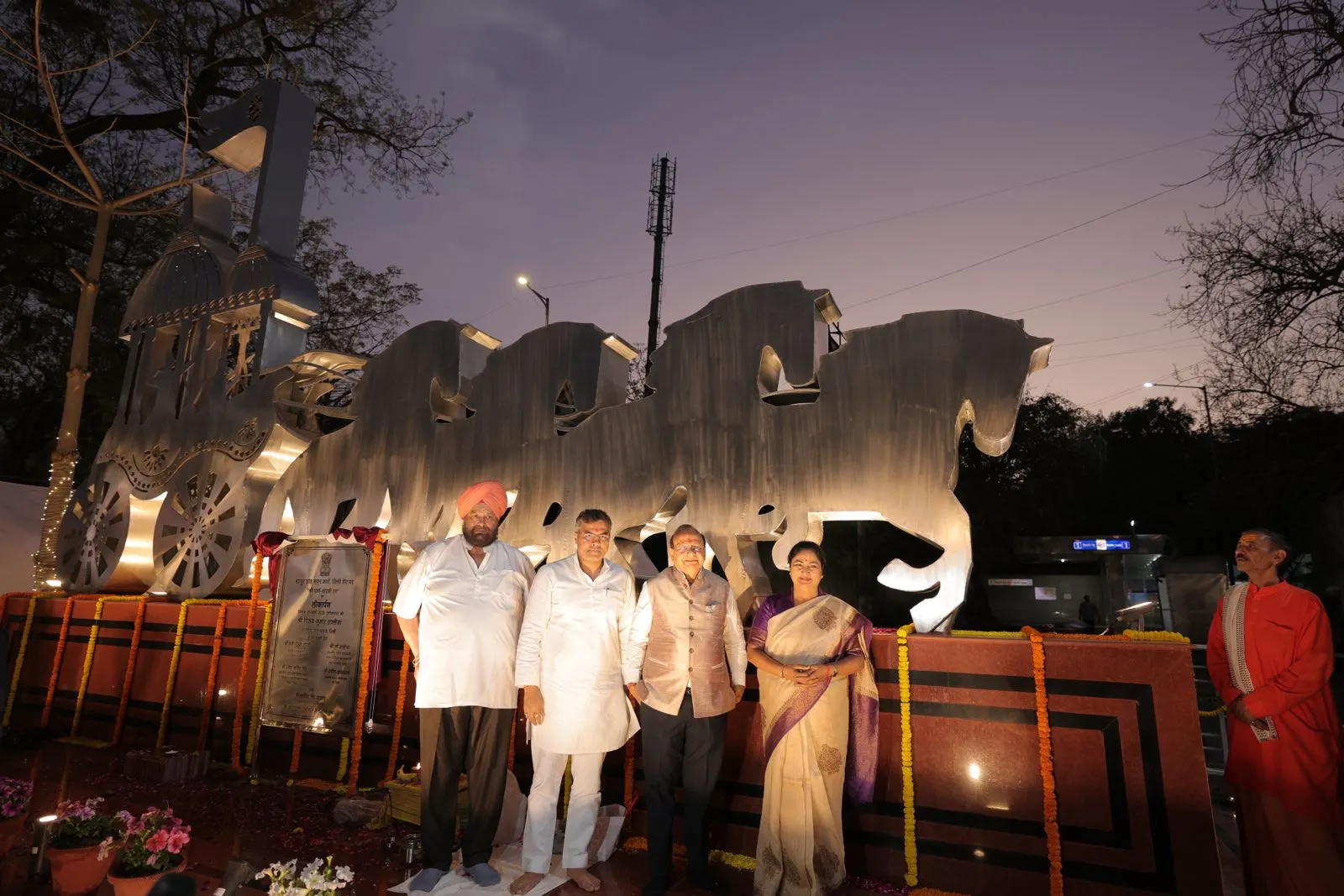
Lieutenant Governor Shri V. K. Saxena and Chief Minister Smt. Rekha Gupta inaugurated the grand 'Shri Parth-Sarathi Rath' at Bahadur Shah Zafar Marg near Delhi Gate, developed by the Public Works Department after seven to eight months of dedicated effort. Constructed using 10 mm thick 316-grade stainless steel plates, the 30 feet by 20 feet structure weighs approximately 5,500 kilograms with a structural life of 50 years. Equipped with 12 spotlights and 12 floodlights for nighttime illumination, the installation is complemented by landscaping and horticulture work in the surrounding area. This artistic landmark strengthens Delhi's cultural identity in the historically significant Delhi Gate area, providing citizens with aesthetically pleasing public spaces. The initiative is part of broader efforts to transform Delhi into a clean, attractive city with a distinct global identity for residents and tourists alike.
Read More...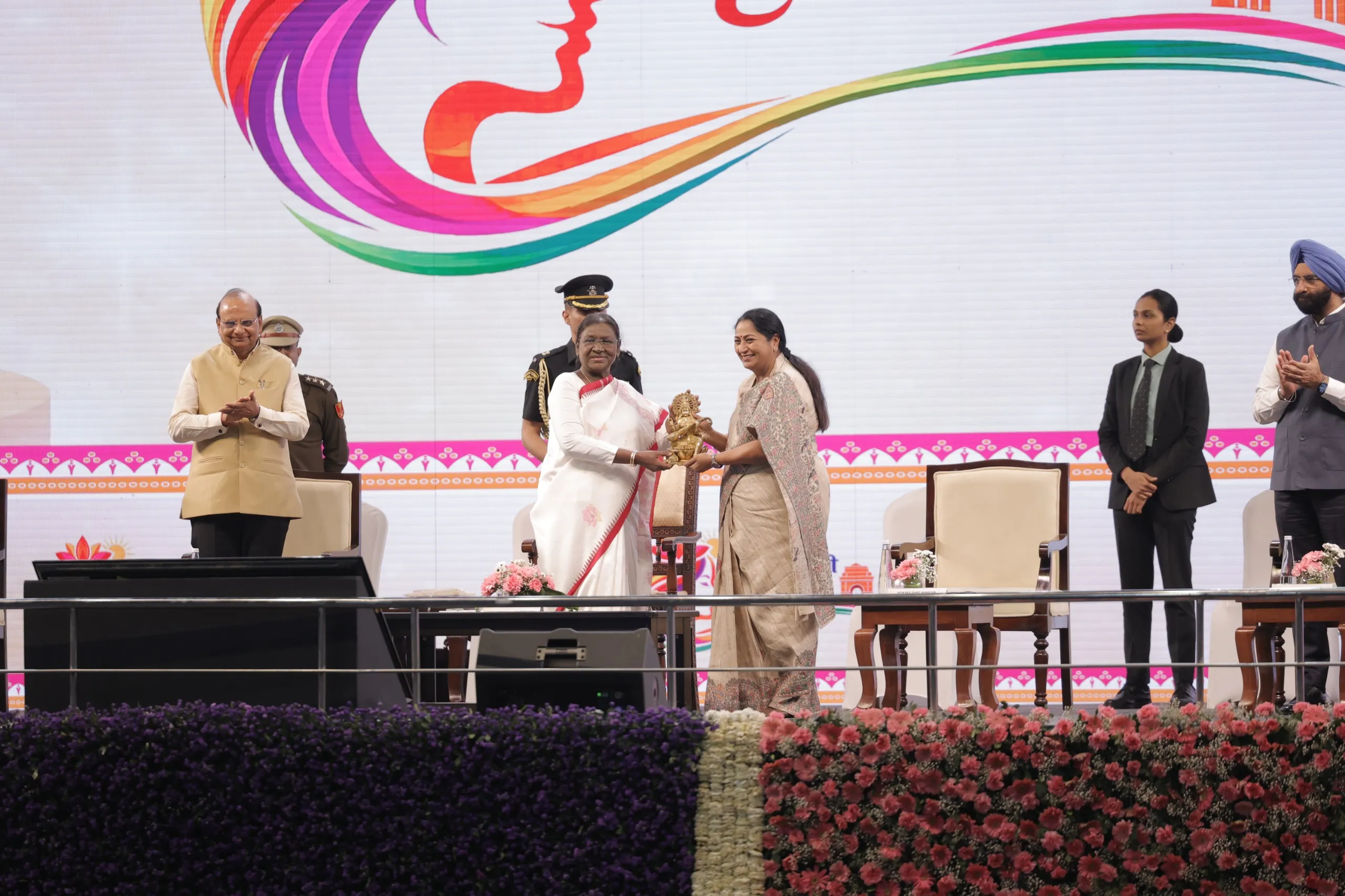
Hon'ble President Smt. Droupadi Murmu launched four ambitious women empowerment schemes at Indira Gandhi Indoor Stadium. Over ₹100 crore was transferred via DBT to 40,642 girls under "Meri Punji, Mera Adhikar" (Ladli scheme). The Delhi Lakhpati Bitiya Yojana provides ₹61,000 in stages from birth to graduation, maturing to ₹1.25 lakh with interest, benefiting girls in child care institutions with government guardianship. The Saheli Pink Smart Card enables free DTC bus travel for women, aligned with One Nation–One Card vision, ensuring dignity, mobility, and safety. Ration card-holding families receive free LPG cylinders on Holi and Diwali through DBT, with ₹130 crore transferred.These initiatives ensure security from birth, investment in education, freedom of travel, and household relief, building a comprehensive framework for women's empowerment that paves the way from Sashakt Naari to Samriddh Delhi.
Read More...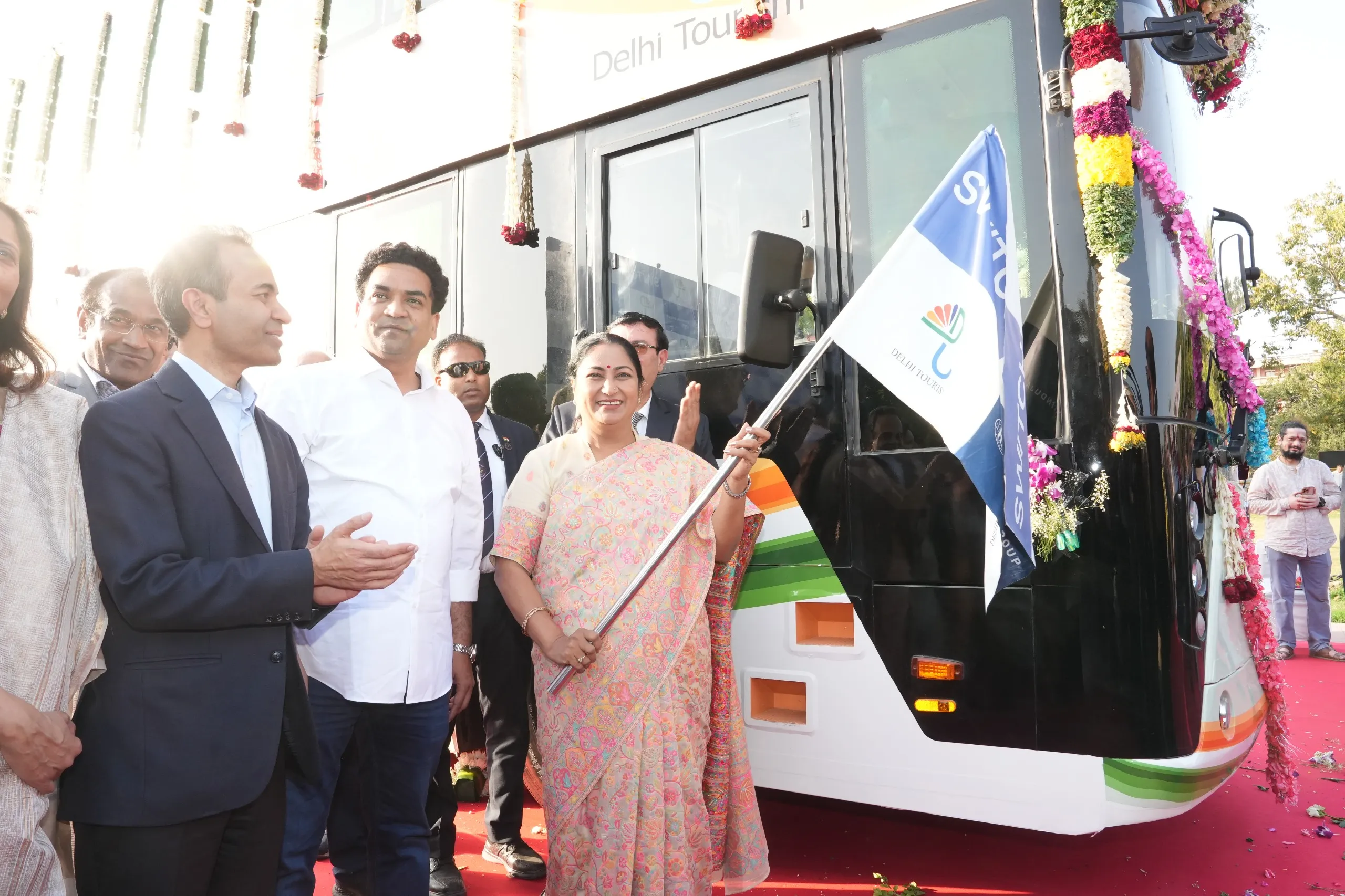
Chief Minister Smt. Rekha Gupta flagged off Delhi Tourism's zero-emission electric double-decker bus service 'Dekho Meri Dilli', transforming the Capital from a transit city into a destination city. The 63-seater bus, equipped with modern amenities, advanced safety features, and a panoramic upper deck, departs daily at 9:00 a.m. from Delhi Haat, INA, covering Vijay Chowk, Rashtrapati Bhavan, National Museum, National Gallery of Modern Art, Prime Ministers' Museum, National War Memorial, and India Gate. Launched through successful PPP collaboration with Hinduja Group, tickets are available at ₹500 plus GST online and offline. This sustainable tourism initiative promotes green mobility, reduces carbon emissions, and offers domestic and international visitors a comprehensive experience of Delhi's 1,200+ monuments, historical heritage, and modern landmarks like Bharat Mandapam, Yashobhoomi, and Central Vista.
Read More...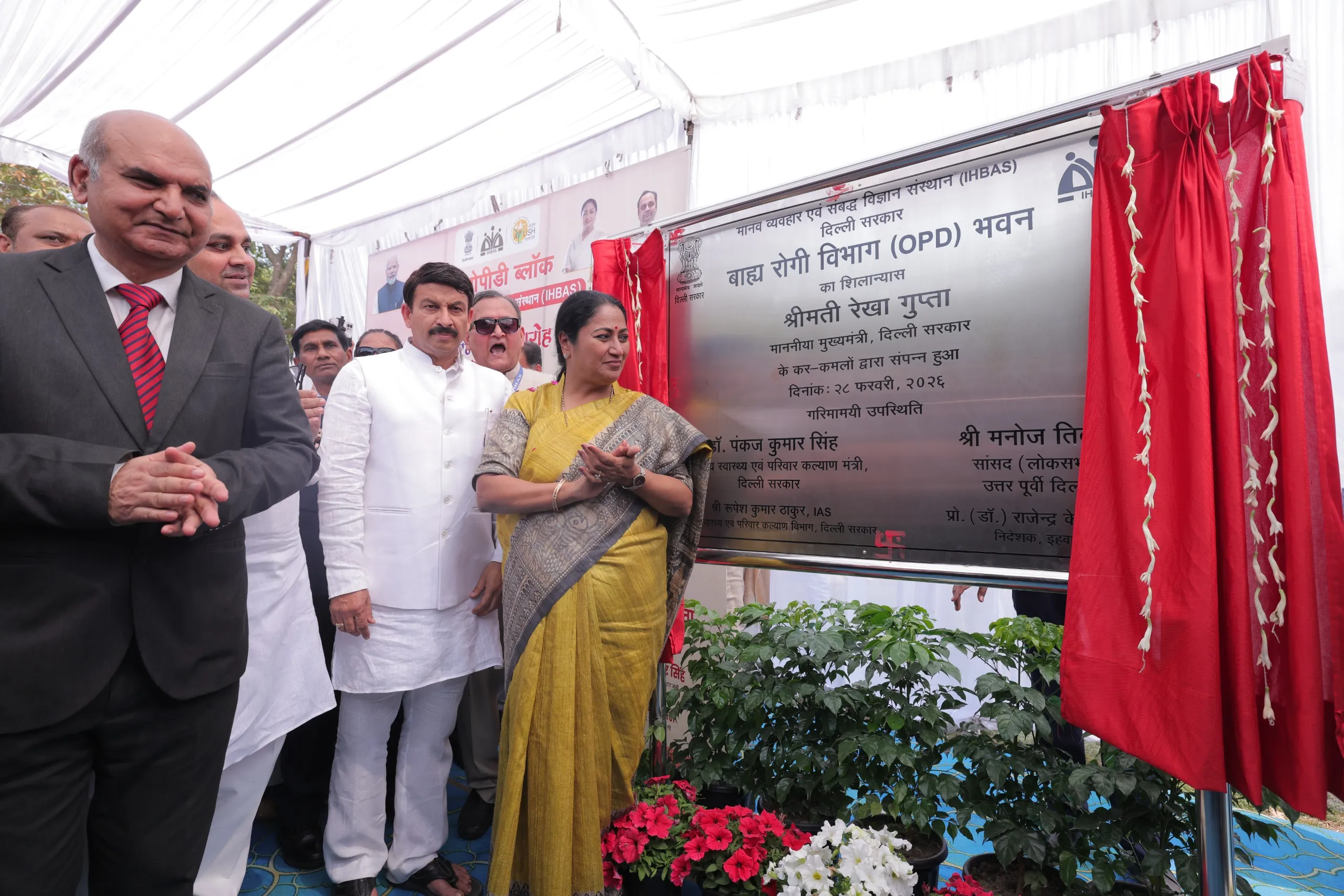
Chief Minister Smt. Rekha Gupta inaugurated a 10-bed Medical ICU ward, GI HD Video Endoscopy Suite, and Integrated AYUSH Stress Management Programme at Guru Tegh Bahadur Hospital, ensuring timely, high-quality treatment for critically ill patients and accurate diagnosis of gastrointestinal disorders. Additionally, the foundation stone was laid for a state-of-the-art OPD building at the Institute of Human Behaviour and Allied Sciences (IHBAS), addressing rising patient loads and reducing waiting times for mental healthcare services. Integrated AYUSH Stress Management OPDs will operate at five medical colleges, focusing on yoga, lifestyle counselling, and digital detox. The nearly 1,500-bed GTB Hospital will be strengthened by completing the rear building. Working in mission mode, the government is transforming Delhi's healthcare into a world-class system, benefiting lakhs across Delhi-NCR
Read More...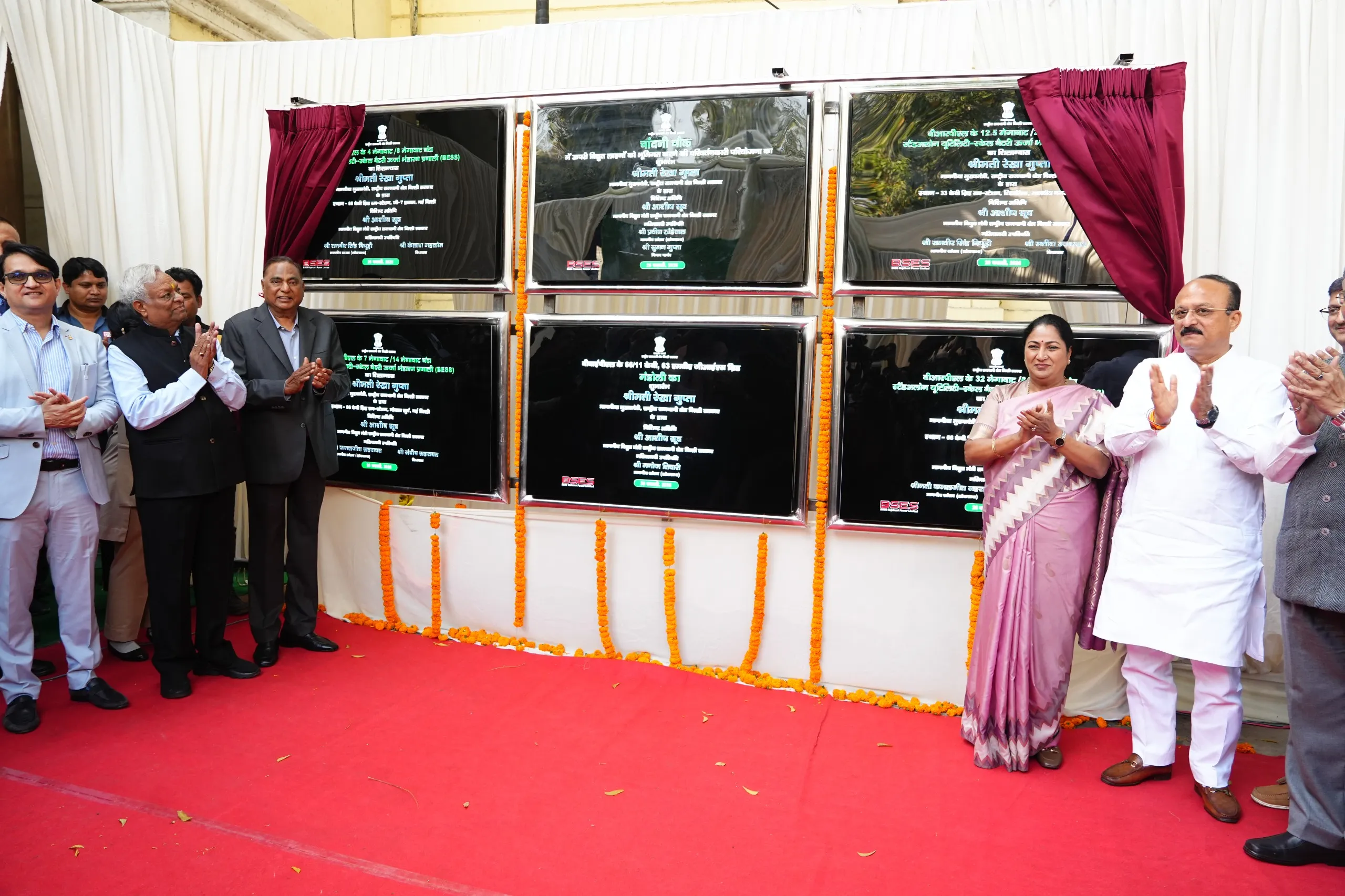
Chief Minister Smt. Rekha Gupta launched a ₹159.75 crore project to place 52.5 kilometres of overhead power lines underground across 28 historic streets of Chandni Chowk, benefiting 10,000 consumers. The initiative includes 500 feeder pillars, decorative lighting, and digital twin monitoring technology, enhancing safety, reliability, and aesthetic appeal while preserving cultural heritage. Additionally, a 66/11 kV GIS grid sub-station at Mandoli (63 MVA capacity, ₹55.5 crore) will benefit 1.5 lakh consumers in North-East Delhi, ensuring stable supply to Rajiv Gandhi Hospital, Mandoli Jail, and DTC EV depot. Four Battery Energy Storage System projects (55.5 MW/111 MWh) at Shivalik, Dwarka, and Goyla Khurd will benefit 2.22 lakh consumers, reducing peak-hour load and supporting clean energy transition. These initiatives advance Delhi's smart, sustainable energy ecosystem aligned with Viksit Bharat.
Read More...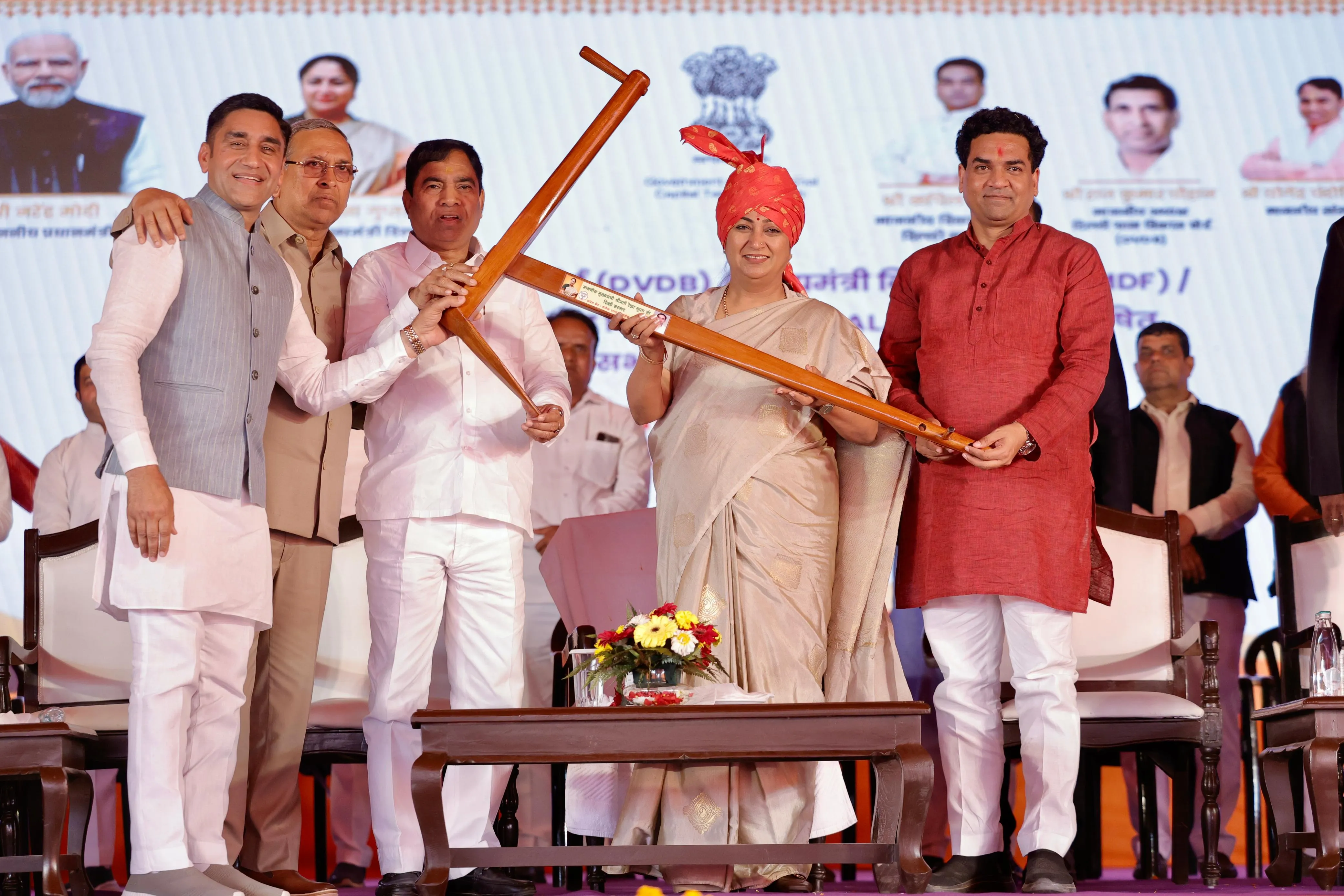
Chief Minister Smt. Rekha Gupta laid the foundation stone for 49 development projects worth ₹264 crore in Mundka Assembly constituency, significantly improving roads, traffic facilities, clean drinking water, sewerage systems, schools, and healthcare services. Over the past year, development works worth ₹1,600 crore have been initiated across rural areas, addressing decades of neglect. A dedicated ₹1,000 crore budget ensures planned and accelerated village development, including road construction, major drains, border area development, and new schools, hospitals, and dispensaries. Peripheral roads and drainage works costing ₹500-600 crore are underway. Through the new Master Plan, farmers will benefit directly, land consolidation issues will be resolved, and a 900-bigha growth centre will be developed. Rural Delhi is now firmly integrated into the development mainstream, advancing Antyodaya and Viksit Bharat.
Read More...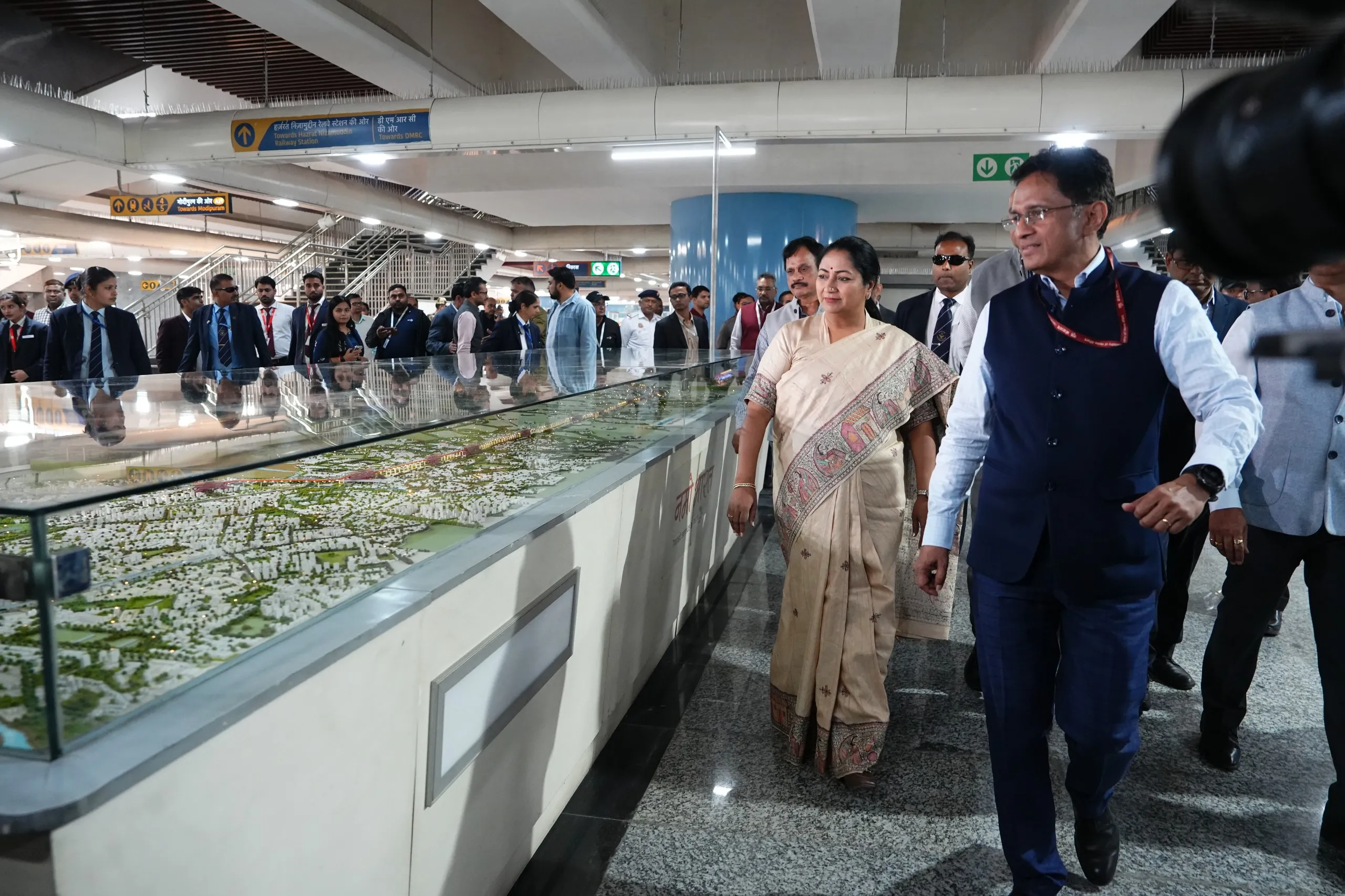
Chief Minister Smt. Rekha Gupta expressed gratitude to Prime Minister Shri Narendra Modi for inaugurating India's first 'Namo Bharat' Regional Rapid Transit System (RRTS) on the Delhi-Meerut Corridor. This state-of-the-art system provides fast, reliable connectivity to hundreds of thousands of passengers daily, significantly reducing travel time and making commutes more convenient. The advanced corridor eases traffic congestion, reduces carbon emissions, and creates positive environmental impact. Guided by integrated, modern, and sustainable development principles, the RRTS exemplifies multi-modal connectivity with fast, safe, and affordable transport. This project stimulates economic activity in Delhi-NCR, strengthens employment opportunities, and accelerates balanced regional development. As an invaluable gift to Delhi, 'Namo Bharat' establishes transport infrastructure as a strong foundation for Viksit Bharat, transforming connectivity for generations to come.
Read More...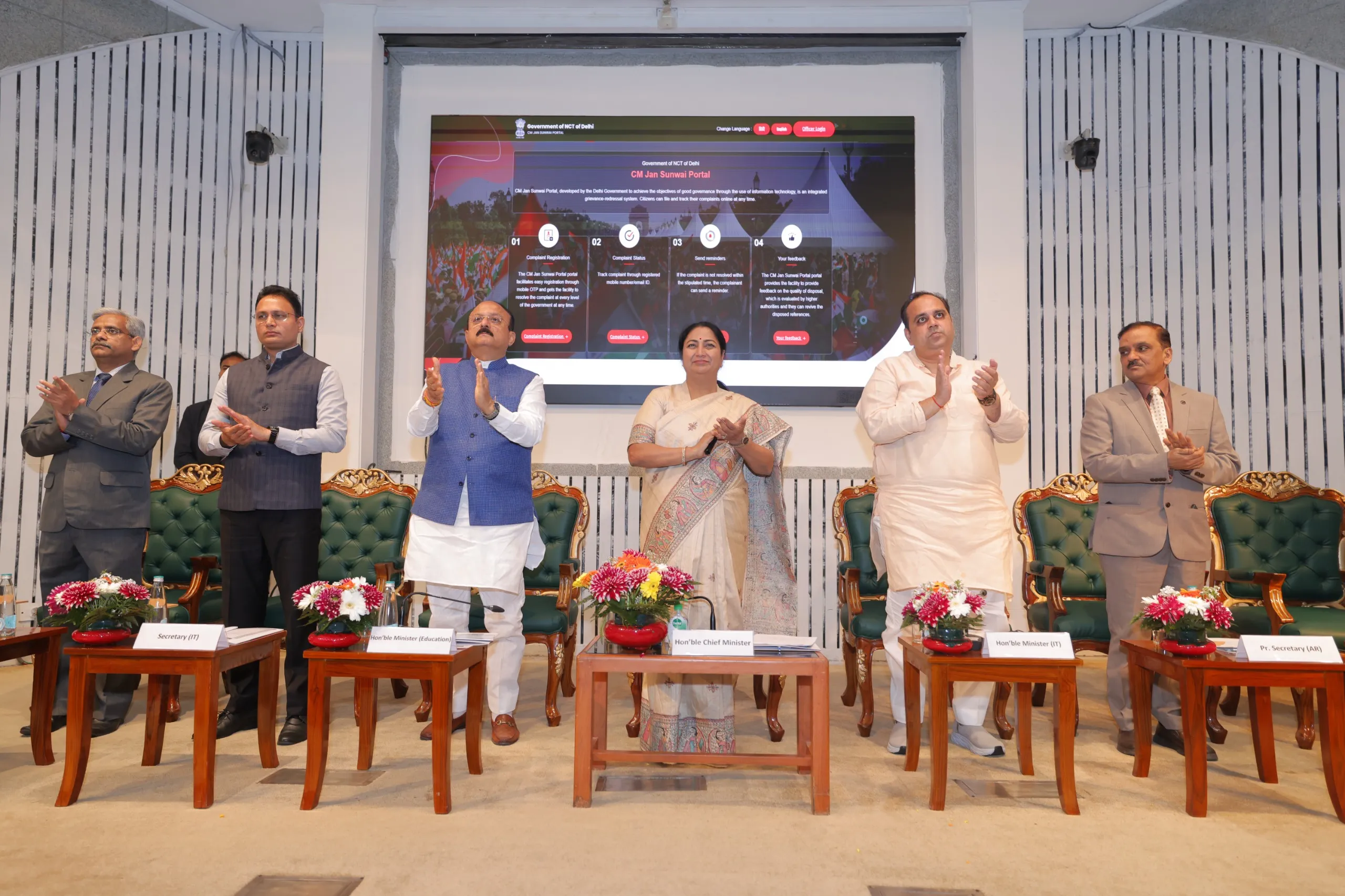
Chief Minister Smt. Rekha Gupta launched the CM Jan Sunwai Portal and mobile app, enabling citizens to register complaints related to MCD, DDA, Delhi Police, and all Delhi Government departments on one integrated platform. Citizens can submit grievances via the online portal, mobile app, call centre (1902), or offline through CMO. A three-tier redressal mechanism (GRO, AA, FAA) ensures accountability with unique reference IDs, SMS updates, and 100% feedback-driven monitoring. Additionally, e-District services were integrated with 7,000 CSC centres, offering 75 government services—including income, caste, residence, birth, and death certificates—at just ₹30 each. A secure, cloud-based EWS/DG/CWSN admission portal with Aadhaar verification and digital document verification prevents duplication and malpractice, ensuring transparency. Aligned with Digital India and Viksit Bharat, these initiatives eliminate intermediaries and bring government services directly to citizens.
Read More...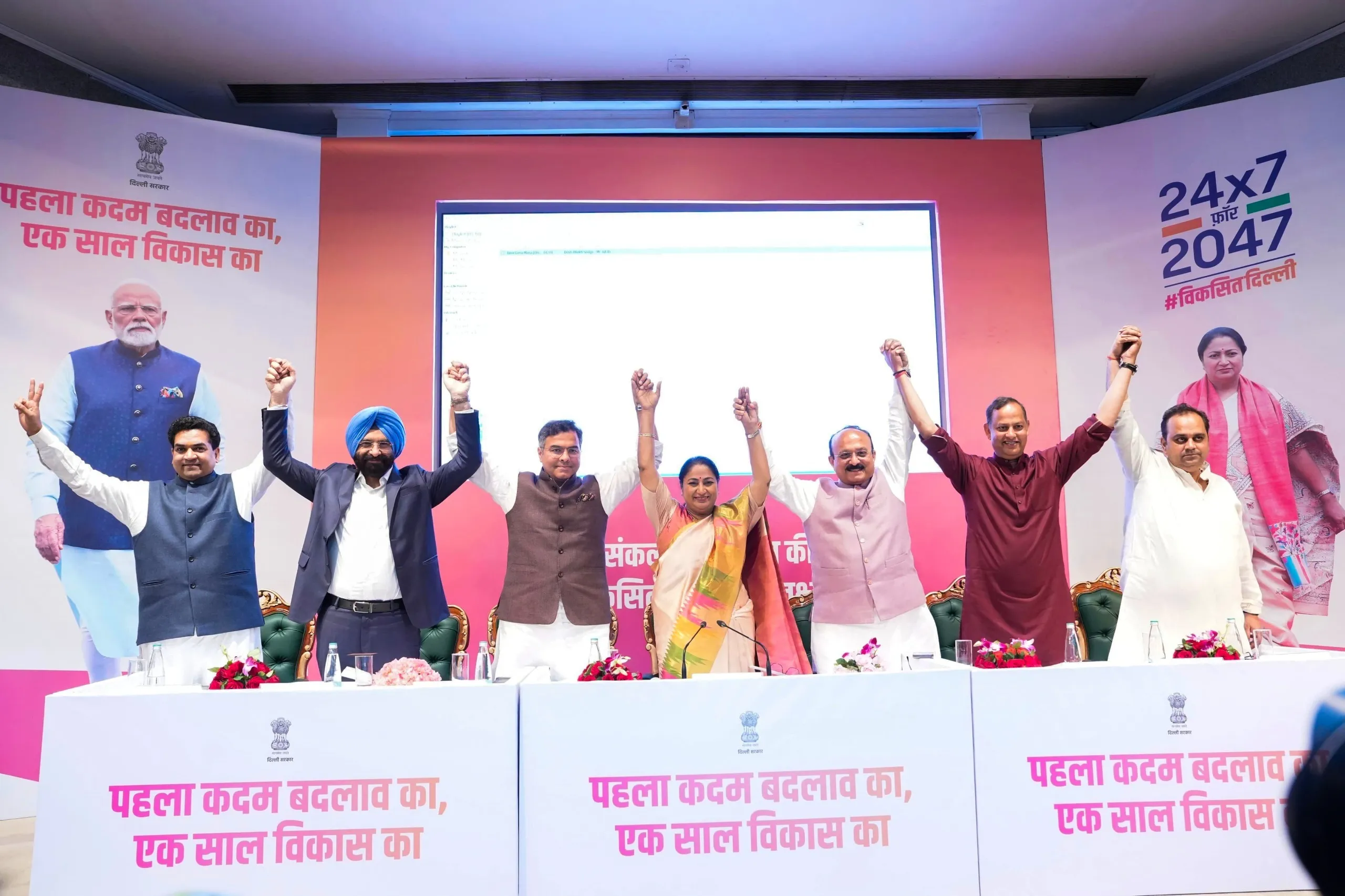
Chief Minister Smt. Rekha Gupta presented a comprehensive one-year report card, marking a decisive shift from announcements to results. Guided by 'Sabka Saath, Sabka Vikas, Sabka Prayas', the government delivered historic achievements: 370 Ayushman Arogya Mandirs established, 700,000 registered under Ayushman Bharat, 71 Atal Canteens serving 71,000 daily, and 75 CM Shri Schools with AI-enabled classrooms. Infrastructure progress includes 550 kilometres of roads approved for wall-to-wall carpeting, a ₹56,000 crore Drainage Master Plan, and sewage treatment capacity increased to 814 MGD targeting 1,500 MGD. Yamuna rejuvenation advanced with 28 upgraded STPs and 2.2 million metric tonnes of silt removed. Delhi now offers India's highest minimum wage at ₹22,411. This year established the foundation for transforming Delhi into a truly developed capital aligned with Viksit Bharat.
Read More...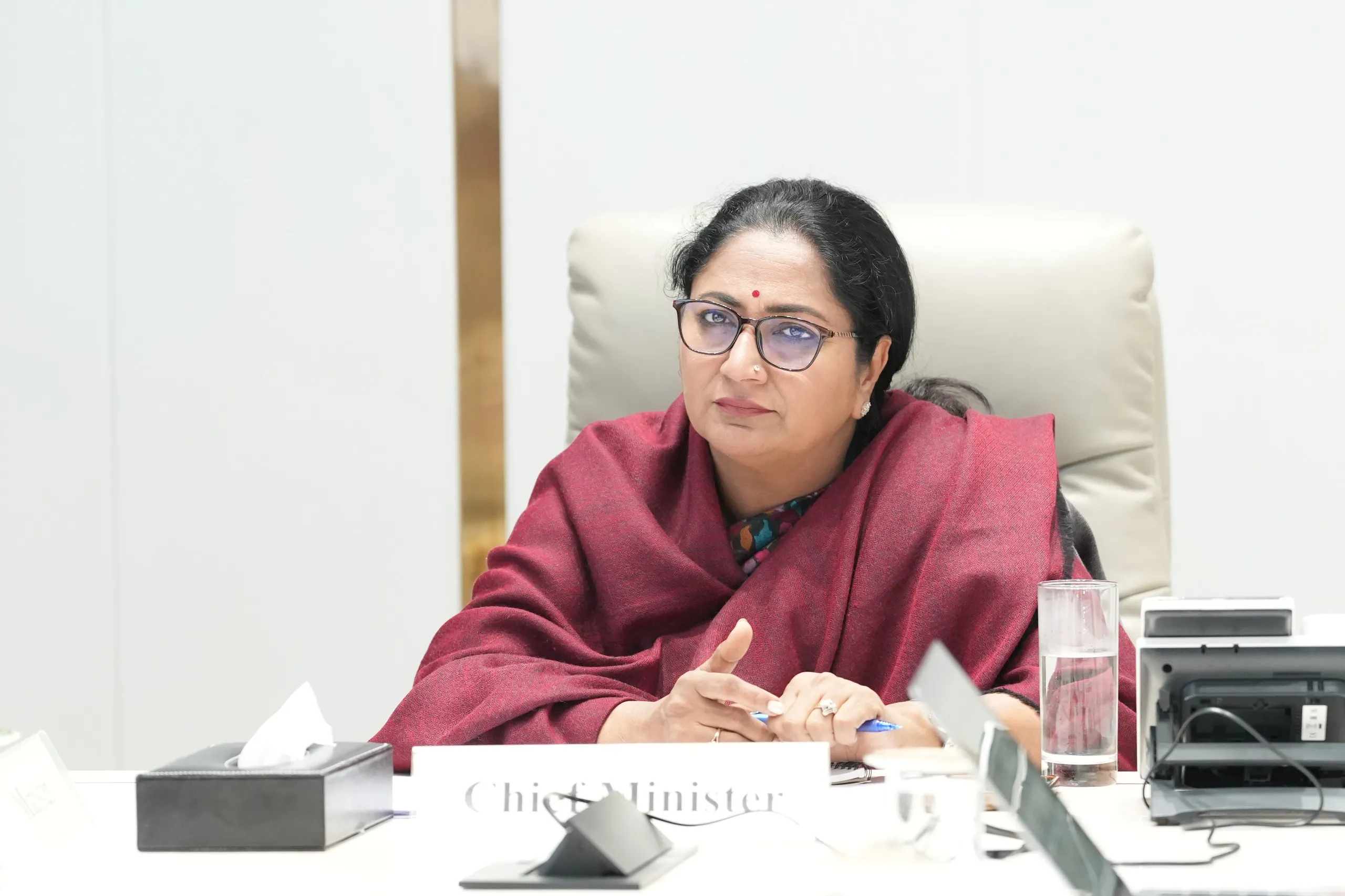
Chief Minister Smt. Rekha Gupta approved a comprehensive road improvement project worth ₹802 crore, upgrading 241 major roads spanning nearly 400 kilometres across 45 Assembly constituencies. With ₹643 crore from the Central Road Infrastructure Fund and ₹158 crore from Delhi Government, the 'wall-to-wall carpeting' model ensures complete width construction—eliminating patchwork repairs. Roads undergo technical assessment, base strengthening, drainage arrangements, and uniform carpeting for long-term durability. This approach significantly reduces dust and air pollution caused by damaged surfaces, prevents waterlogging, and ensures pothole-free travel. Major roads include August Kranti Marg, Outer Ring Road, Rao Tula Ram Marg, and routes across Rohini, Shahdara, Patparganj, and Kalkaji. Targeted for year-end completion, this initiative builds safer, cleaner, future-ready infrastructure aligned with Viksit Delhi.
Read More...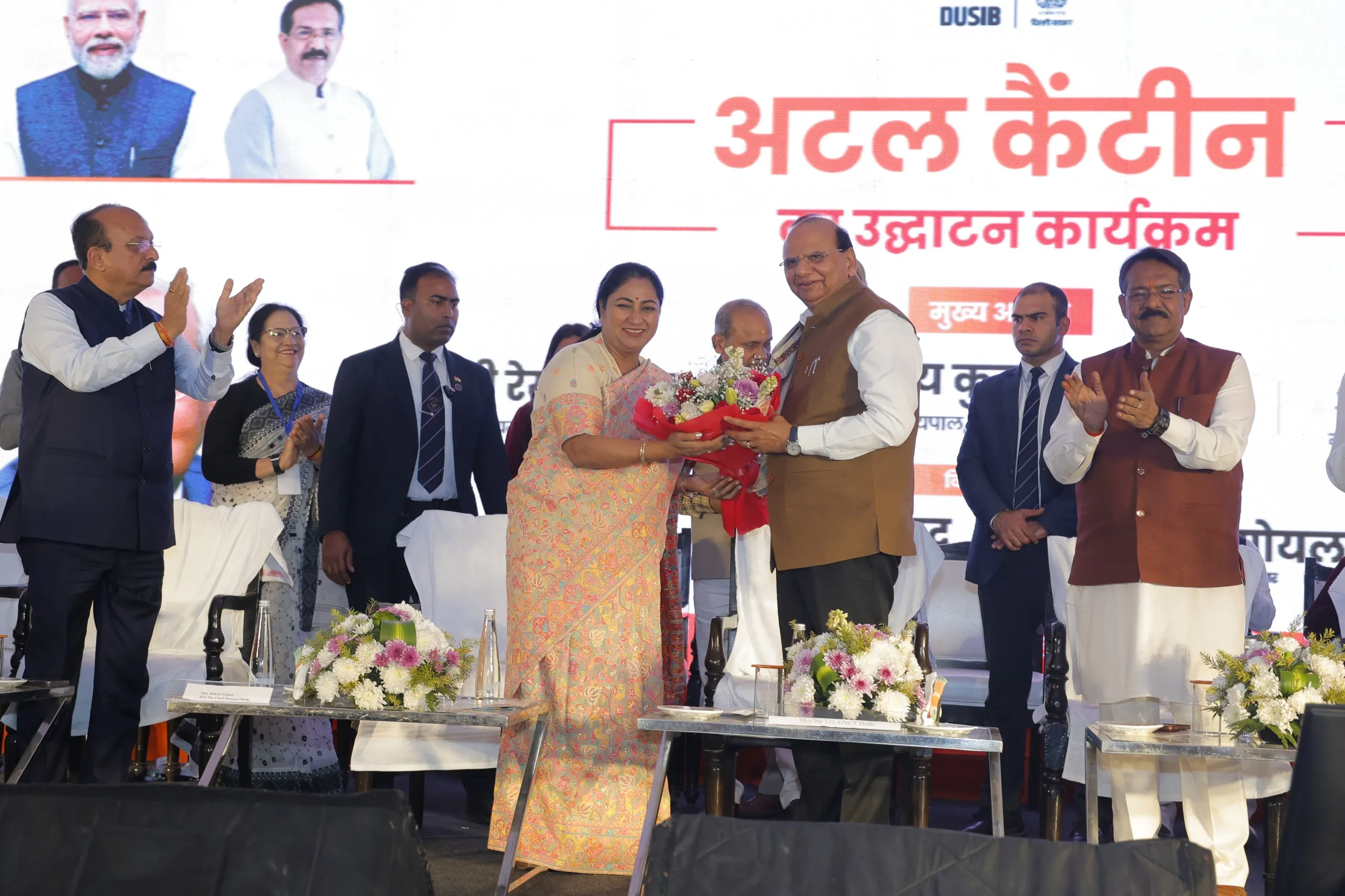
Lieutenant Governor Shri Vinai Kumar Saxena and Chief Minister Smt. Rekha Gupta inaugurated 25 new Atal Canteens from Krishna Nagar, bringing Delhi's total to 71 operational canteens. Since launching on 25 December, over 14.58 lakh people have received nutritious meals at just ₹5 within 57 days, serving an average of 26,000 daily. The government provides a ₹25 subsidy per meal, ensuring dignity and food security for migrant workers, students, rickshaw pullers, sanitation workers, and daily wage labourers. Each canteen serves balanced meals of dal, rice, roti, and vegetables with digital token systems, CCTV monitoring, steel plates, and computerized billing ensuring transparency. The target is to reach 100 canteens soon, benefiting over 50,000 needy individuals daily, translating Antyodaya into reality aligned with Viksit Bharat.
Read More...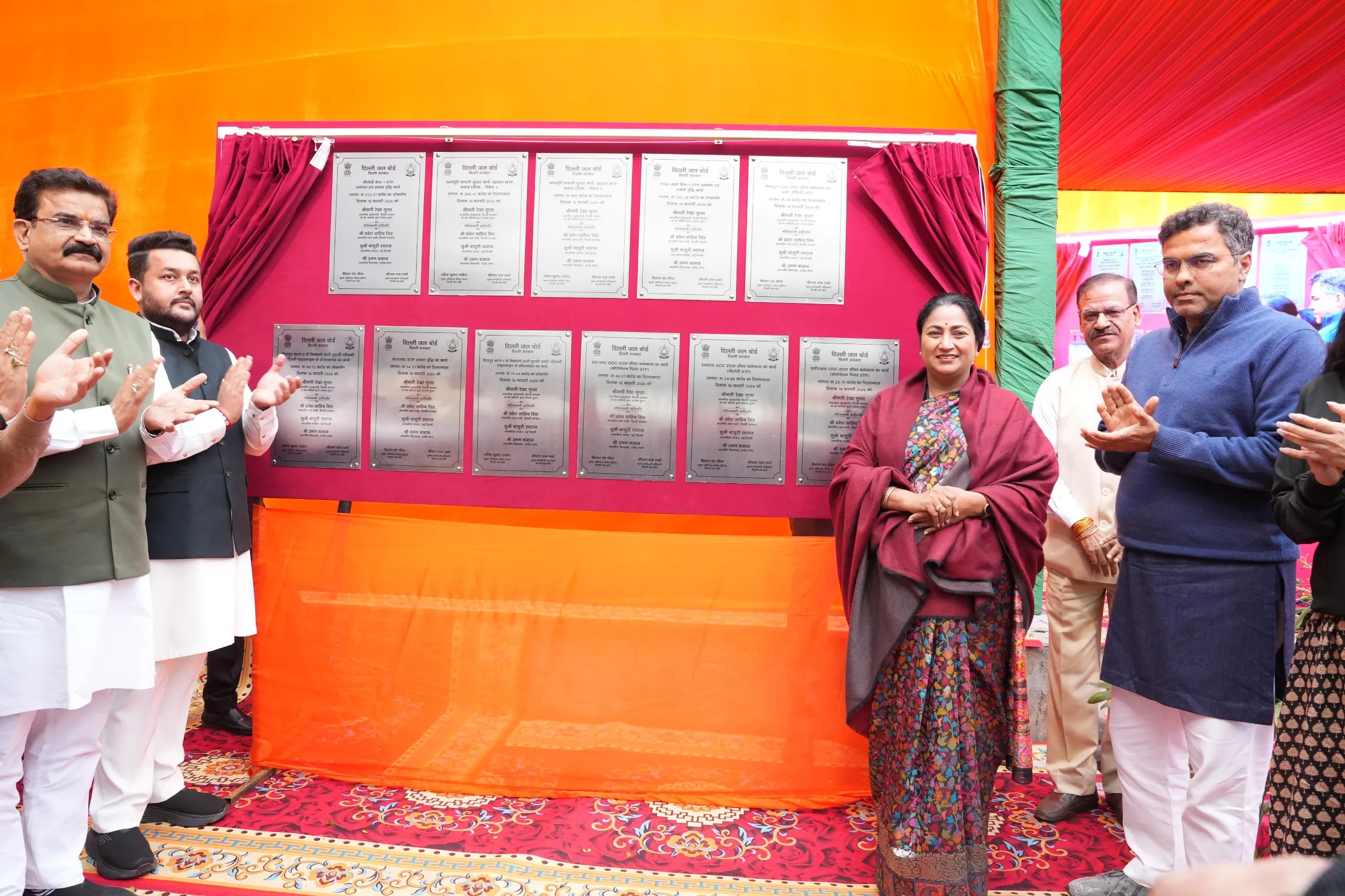
Chief Minister Smt. Rekha Gupta launched Delhi Jal Board projects worth over ₹2,100 crore, providing permanent solutions to decades-old water and sewerage challenges. Key initiatives include capacity enhancement of Nilothi-1 STP (40 to 60 MGD) and Pappankalan Phase-I STP (20 to 30 MGD), water supply improvement in Chandrawal WTP areas worth ₹1,258 crore, and household sewer connections across Begumpur, Wazirabad, Ranhola, and Sant Nagar totaling ₹158 crore. The DJB Amnesty Scheme was extended to August and now includes commercial consumers, providing ₹74,293 crore penalty waiver while generating ₹285 crore revenue. These projects strengthen sewage treatment capacity, prevent untreated discharge into Yamuna, and ensure clean drinking water for all, advancing the vision of Viksit Delhi and Viksit Bharat.
Read More...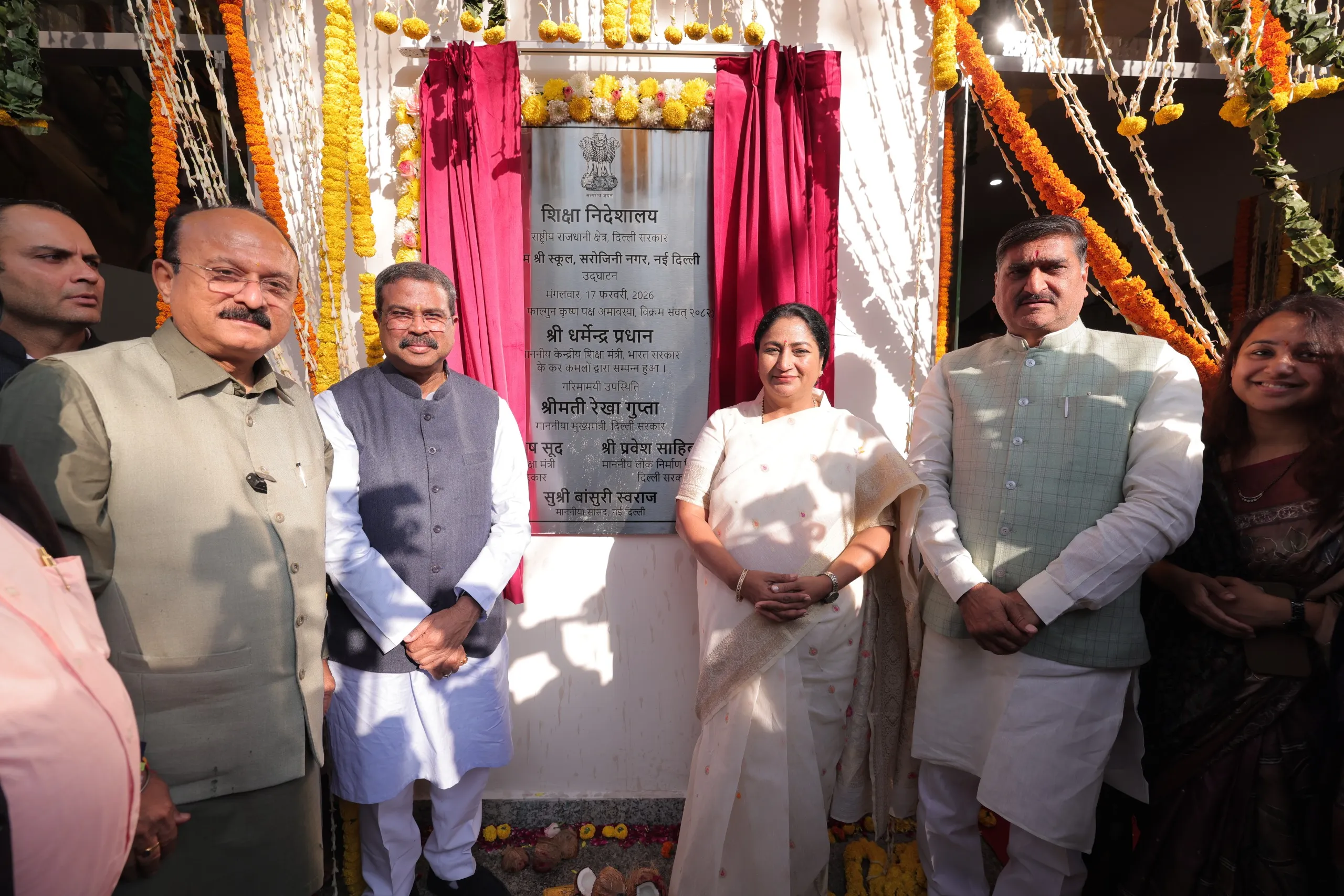
Under the leadership of Chief Minister Smt. Rekha Gupta, Union Education Minister Shri Dharmendra Pradhan, and Education Minister Shri Ashish Sood, the CM Shri School at Sarojini Nagar was inaugurated, with foundation stones laid for 75 CM Shri Schools across Delhi- India's first comprehensive AI-driven education ecosystem. These Centres of Excellence feature AI-enabled smart classrooms, competitive exam preparation portals for JEE, NEET, CUET, CLAT, and NDA, multi-sectoral skill labs in robotics and AI, ICT labs, digitized libraries, career labs, multilingual education, and mandatory industry-linked internships. Over 7,000 smart classrooms, 175 ICT labs with 7,000 computers, 100 digital libraries, and 175 language labs ensure technology-enabled education reaches every corner of Delhi. Aligned with NEP and Viksit Bharat.
Read More...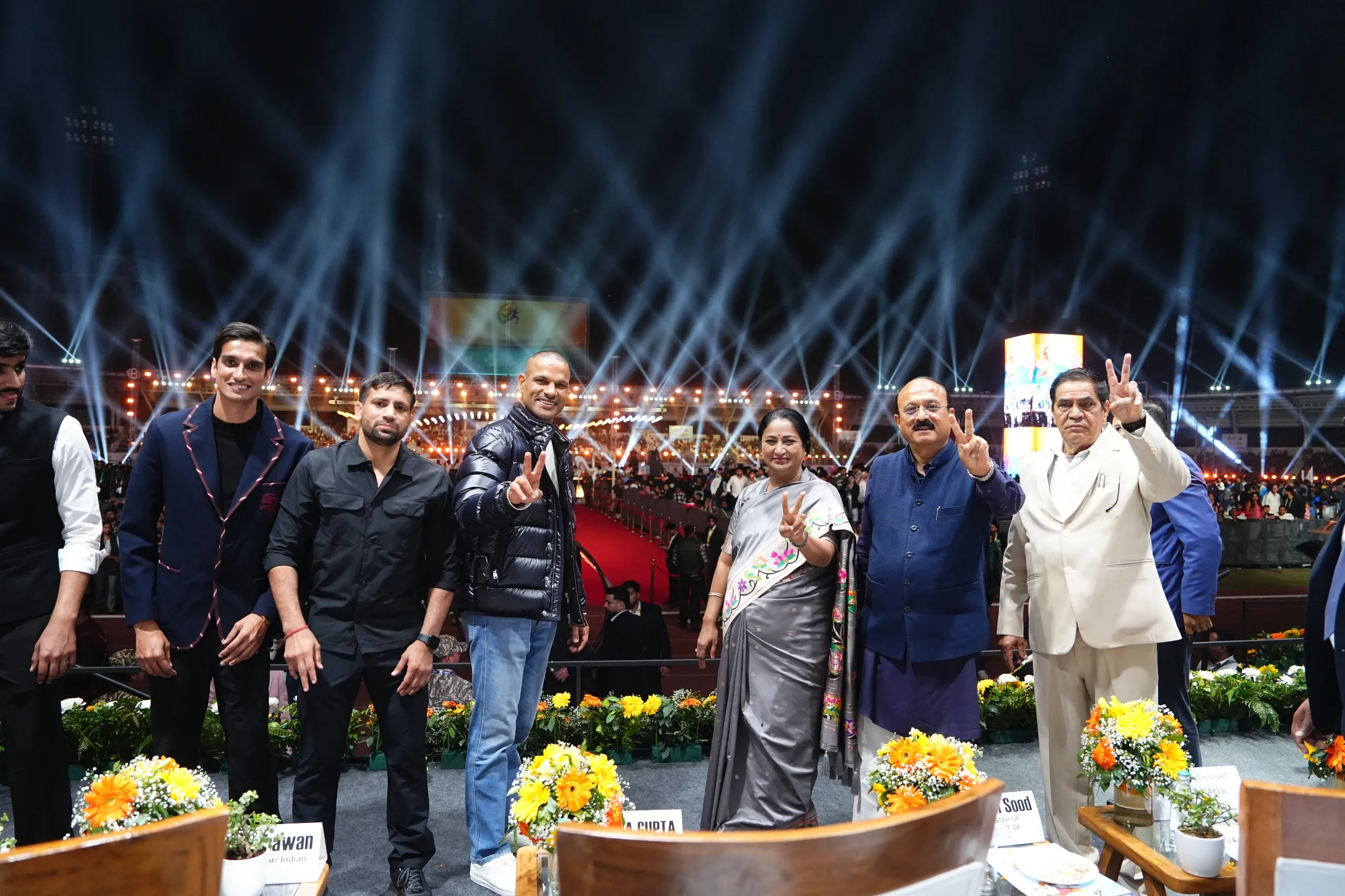
Chief Minister Smt. Rekha Gupta inaugurated Khelo Delhi-Delhi Khel Mahakumbh at Chhatrasal Stadium, marking Delhi's first-ever state-level mega sports festival. Running for one month across 17 stadiums, the event targets over 30,000 athletes competing in seven disciplines—athletics, football, wrestling, basketball, volleyball, kabaddi, and squash. Olympic medalist Ravi Dahiya, cricketer Shikhar Dhawan, and Paralympic medalist Sharad Kumar are brand ambassadors. The government released ₹33 crore in long-pending prize money and introduced attractive rewards: Olympic gold medalists receive ₹7 crore, with annual assistance of ₹20 lakh for national-level athletes. Aligned with Khelo India and Fit India, this grassroots initiative builds world-class sports infrastructure, empowers women athletes, and transforms Delhi into the sports capital, advancing Viksit Bharat.
Read More...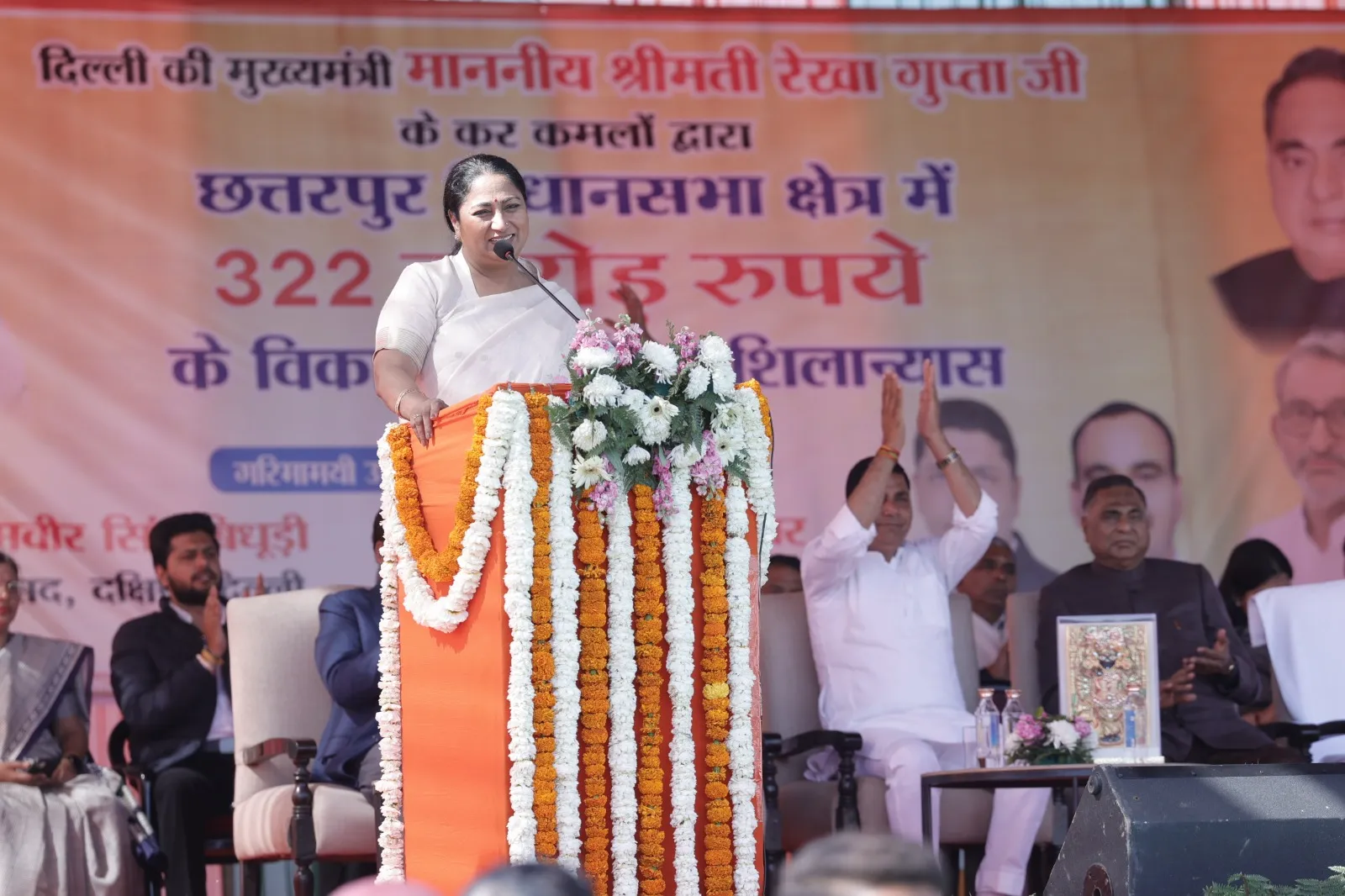
Chief Minister Smt. Rekha Gupta inaugurated 51 new Ayushman Arogya Mandirs from Fatehpur Beri, bringing Delhi's total to 370 centres in just 8 months—a new model for accessible primary healthcare. These centres offer 80 types of free diagnostic tests, essential medicines, cancer screening, immunization, maternal and child health services, elderly care, and NCD screening. The government aims to establish over 1,100 Arogya Mandirs, ensuring timely, affordable healthcare in every neighbourhood. Additionally, development projects worth ₹322 crore were launched in Chhatarpur constituency, including road construction, drainage improvements, traffic infrastructure, and school development. A ₹1,471 crore double-decker flyover on Mehrauli–Badarpur Road was approved, alongside three new schools and four elevated road projects, advancing Viksit Bharat.
Read More...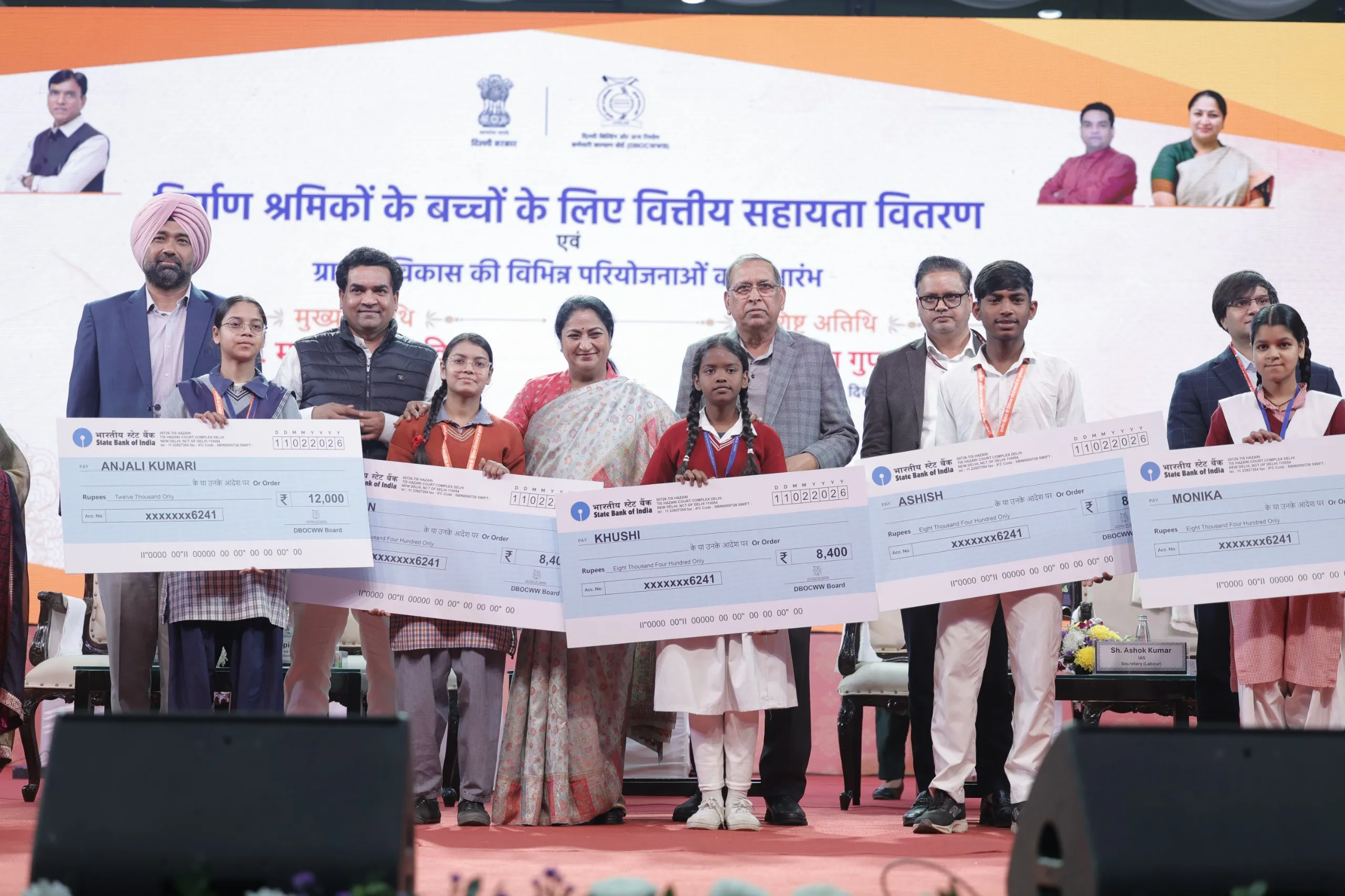
Under the leadership of Chief Minister Smt. Rekha Gupta, the Delhi Government directly transferred ₹12.40 crore to 15,706 children of registered construction workers under the education assistance scheme, ensuring financial constraints never hinder their studies. Students receive monthly support ranging from ₹500 to ₹10,000 based on their academic level. Simultaneously, foundation stones were laid for 59 development projects across 37 villages with an estimated cost of ₹134 crore, covering roads, parks, community centres, and civic amenities. New panchayat buildings were inaugurated, addressing years of rural neglect. With Delhi's highest minimum wages, 44 enforced labour laws, and 36 lakh workers registered on e-Shram, this initiative reflects the principle of Antyodaya - uplifting the last person in the queue, aligned with Viksit Bharat.
Read More...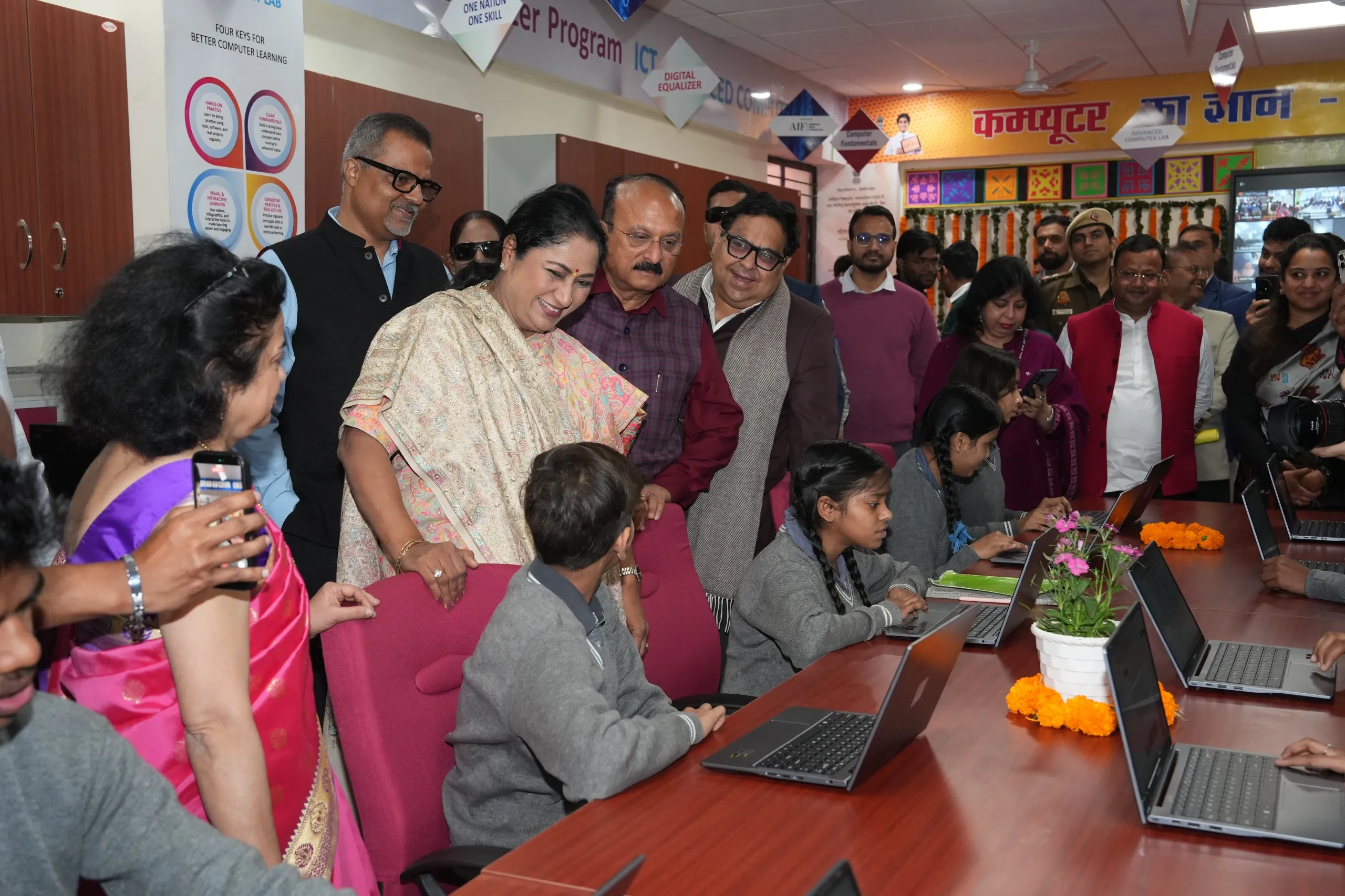
Chief Minister Smt. Rekha Gupta inaugurated new academic blocks at DIET Dilshad Garden and Sarvodaya Vidyalaya, Mansarovar Garden, alongside 101 state-of-the-art ICT laboratories across government schools. The objective extends beyond infrastructure - ensuring world-class education supported by modern technology. Through CSR collaboration with the American India Foundation and Ladli Foundation, 101 computer labs with over 2,000 computers and Interactive Flat Panel Displays were established, strengthening digital learning. The government aims to make Delhi the state with the highest number of smart classrooms, computer labs, and modern facilities. while the 'Neev' curriculum strengthens ethics, civic responsibility, and patriotism, advancing quality, value-based education aligned with Viksit Bharat.
Read More....webp)
The Delhi Government Cabinet approved Metro Phase V(A), developing three new corridors totaling 16 kilometers with 13 metro stations at an estimated cost of ₹12,014 crore. The Delhi Government will contribute ₹2,940 crore, with completion targeted by 2028. This expansion advances Prime Minister Narendra Modi's '7-C Vision' for transportation—Common, Connected, Convenient, Congestion-free, Charged, Clean, and Cutting-edge mobility. The corridors include RK Ashram to Indraprastha via Central Vista, Tughlakabad to Kalindi Kunj, and Aerocity to IGD Terminal-1. This investment will reduce traffic congestion, improve air quality, and strengthen public transport infrastructure. Aligned with Viksit Bharat, this initiative transforms Delhi into a world-class, environmentally sustainable city with seamless, citizen-focused connectivity.
Read More...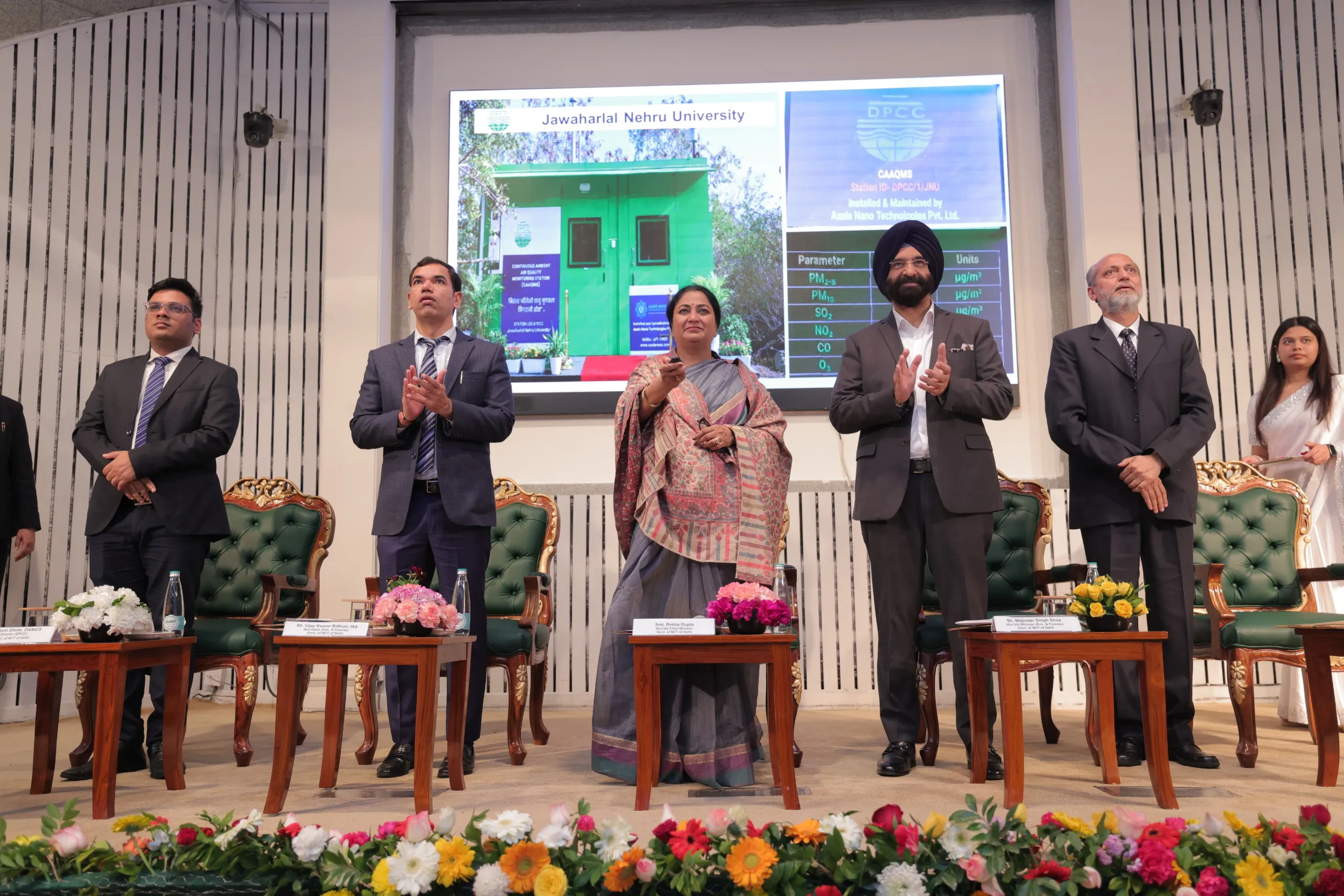
Under the leadership of Chief Minister Smt. Rekha Gupta, Delhi now has 46 Continuous Ambient Air Quality Monitoring Stations, the highest for any city in the country, with six new stations inaugurated at JNU, IGNOU, Talkatora Garden, Commonwealth Sports Complex, Delhi Cantonment, and NSUT. The 'Vayu Rakshak' initiative deploys 100 dedicated enforcement officers for year-round pollution control. Emphasizing transparent, evidence-based policymaking, CM Gupta highlighted Delhi's 4,000 electric buses and ongoing initiatives including landfill remediation, waste-to-energy projects, and green cover expansion. Environment Minister Manjinder Singh Sirsa announced strengthened enforcement with 157 DPCC vacancies filled, ensuring strict on-ground action across vehicles, construction, and dust management sectors.
Read More...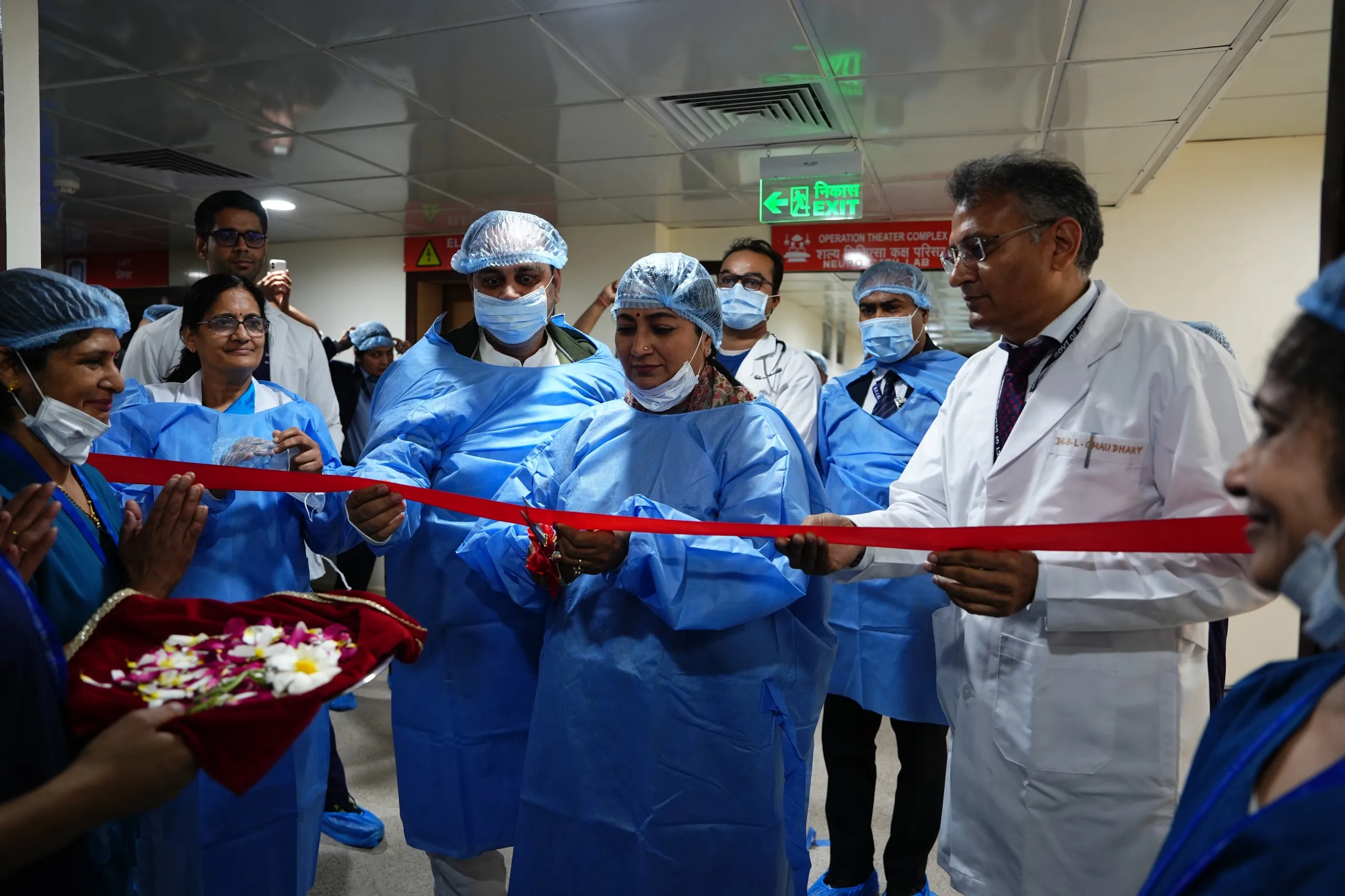
Under the leadership of Chief Minister Smt. Rekha Gupta, Govind Ballabh Pant Hospital now features North India's first 256-slice spectral CT scanner in a government facility, alongside a Neuro Cath Lab and modern 16-bed Neuro ICU. The ₹20 crore CT scanner enables faster, accurate diagnosis of cancer, cardiac conditions, stroke, and neurological disorders with reduced radiation. The ₹9 crore Neuro Cath Lab will treat over 1,200 neurovascular patients annually, while the upgraded ₹2 crore Neuro ICU provides critical care with advanced monitoring. Aligned with PM Modi's vision of making India a global healthcare destination, these facilities ensure world-class medical treatment is accessible to all.
Read More...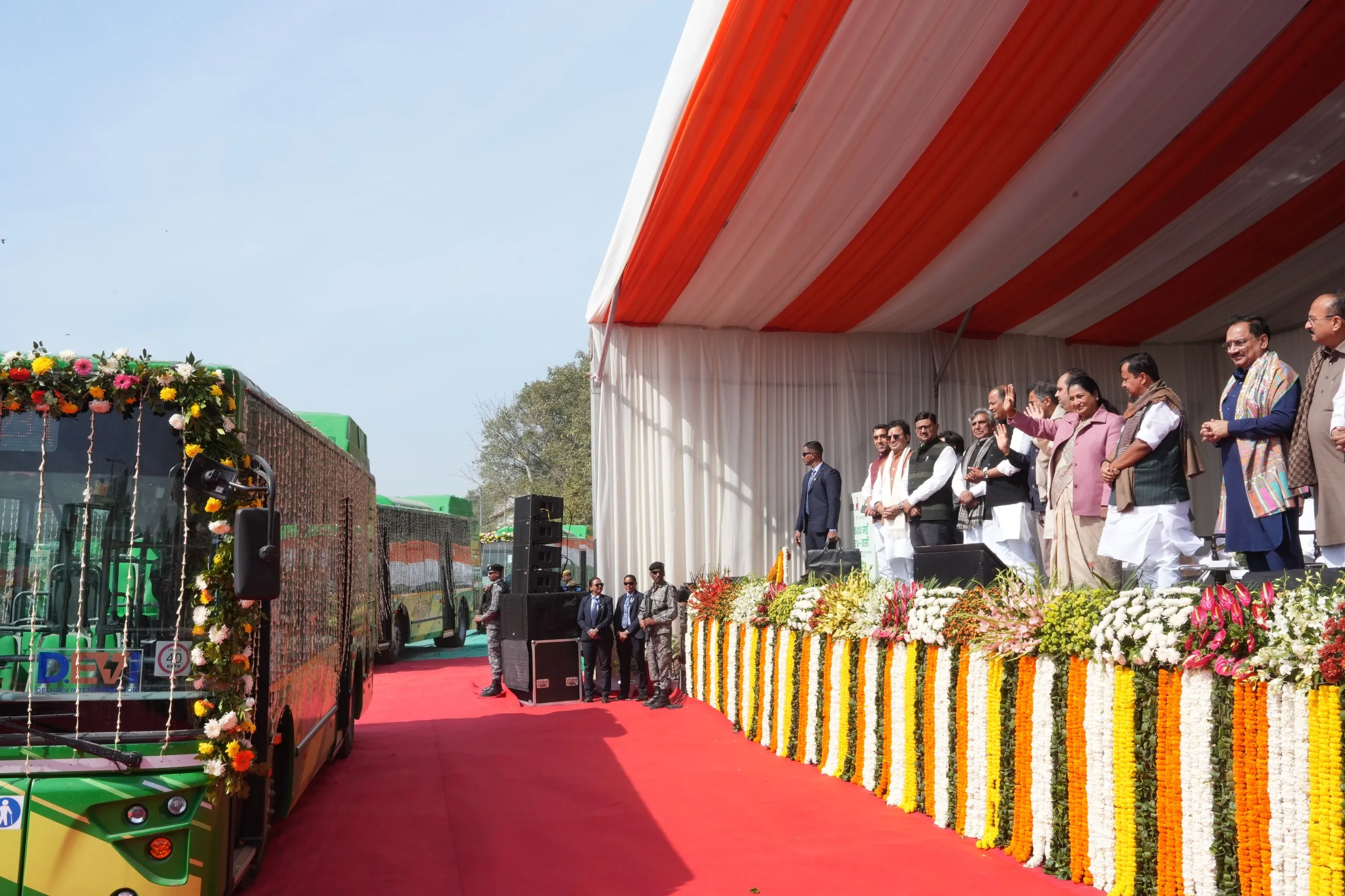
Under the leadership of Chief Minister Smt. Rekha Gupta, Delhi has achieved a historic milestone by becoming the nation's largest electric bus hub. BJP National President Shri Nitin Nabin and CM Rekha Gupta flagged off 500 new EV buses, taking Delhi's electric fleet past 4,000 buses. The government also inaugurated the Delhi-Panipat inter-state e-bus service, strengthening regional connectivity across 86 kilometres. With a target of 7,500 e-buses by end-2026 and 14,000 by 2028, this transformative initiative ensures pollution-free, modern public transport for citizens. Aligned with the vision of Viksit Bharat, Delhi is building a world-class, sustainable transport network that prioritizes accessibility, environmental responsibility, and commuter convenience.
Read More...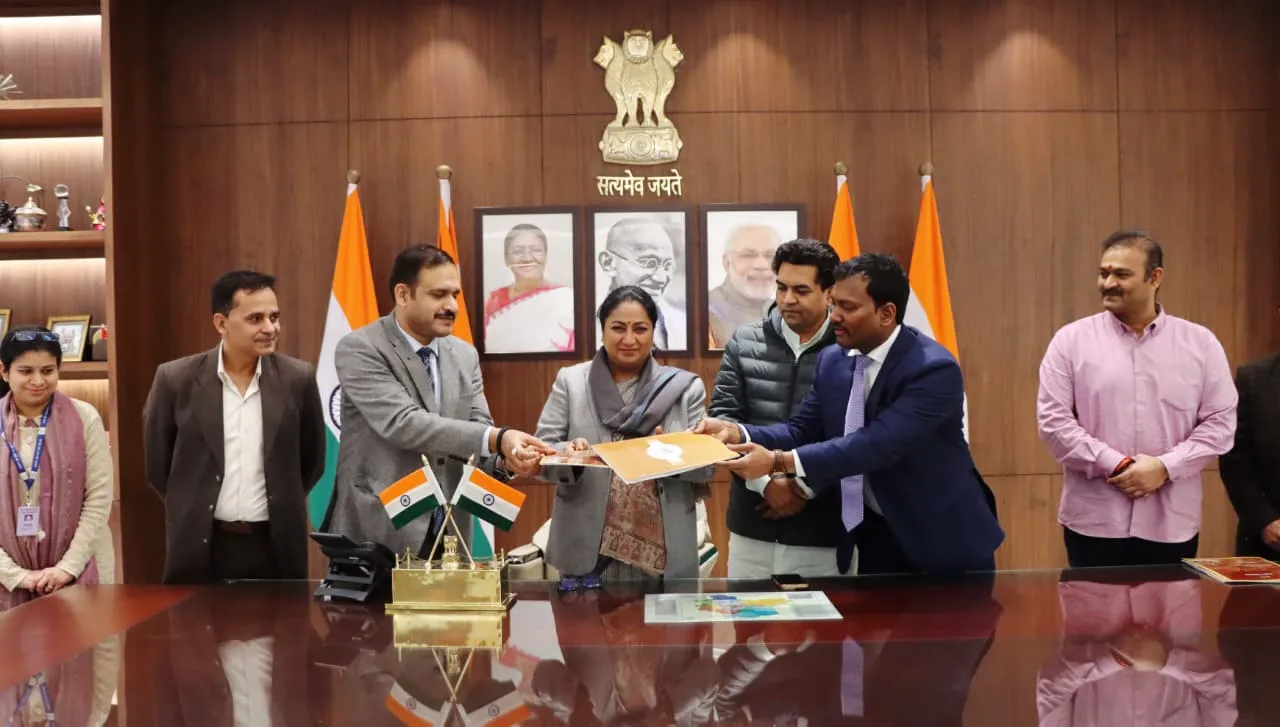
Under the leadership of Chief Minister Smt. Rekha Gupta, Delhi has become the first state to partner with Bharat Taxi's cooperative mobility platform, setting a new benchmark in urban mobility. The MoU between DTTDC and Sahkar Taxi Cooperative Limited introduces technology-enabled, transparent taxi services for tourists and residents while ensuring driver welfare and dignity. Drivers will be trained as brand ambassadors of Delhi Tourism, offering curated sightseeing circuits and last-mile connectivity. Unlike conventional aggregators, this cooperative model ensures drivers retain higher earnings and stakeholder participation. Aligned with the vision of inclusive growth, this initiative strengthens tourism infrastructure, promotes ethical transport solutions, and enhances Delhi's reputation as a tourist-friendly capital.
Read More...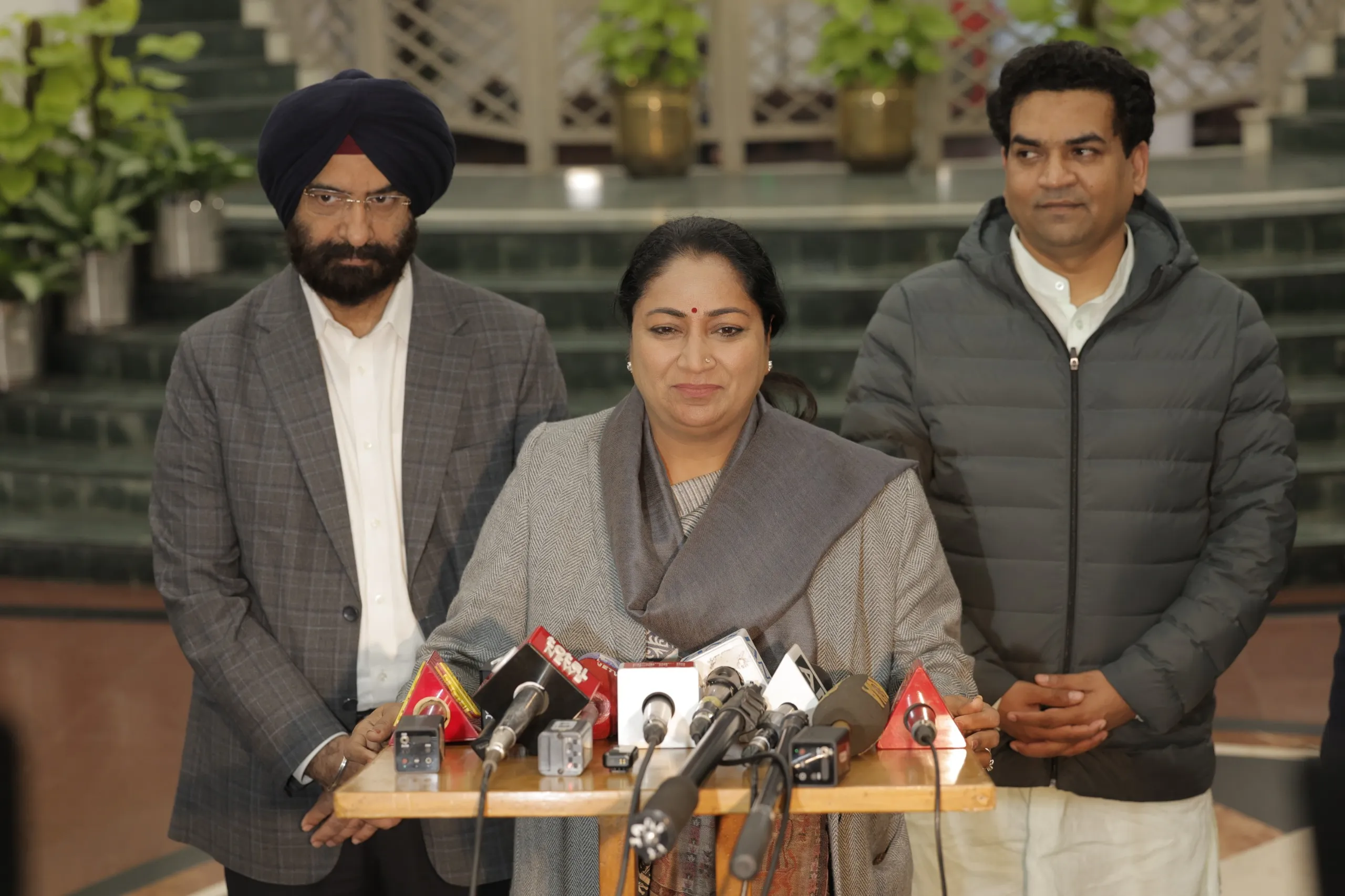
Under Chief Minister Smt. Rekha Gupta's leadership, the Delhi Government has approved a transformative scheme to provide annual financial assistance for two LPG cylinders to all ration card–holding families from 2026. The support, distributed on Holi and Diwali through Direct Benefit Transfer, will provide ₹553 per cylinder for PMUY beneficiaries and ₹853 for non-Ujjwala families. With an estimated annual expenditure of ₹242.77 crore, this initiative demonstrates targeted, transparent governance aimed at easing inflation's burden on economically weaker sections. CM Gupta emphasized this scheme fulfills the BJP's Sankalp Patra commitment, expressing gratitude to Prime Minister Shri Narendra Modi for the visionary Ujjwala Yojana that has empowered crores of women nationwide.
Read More...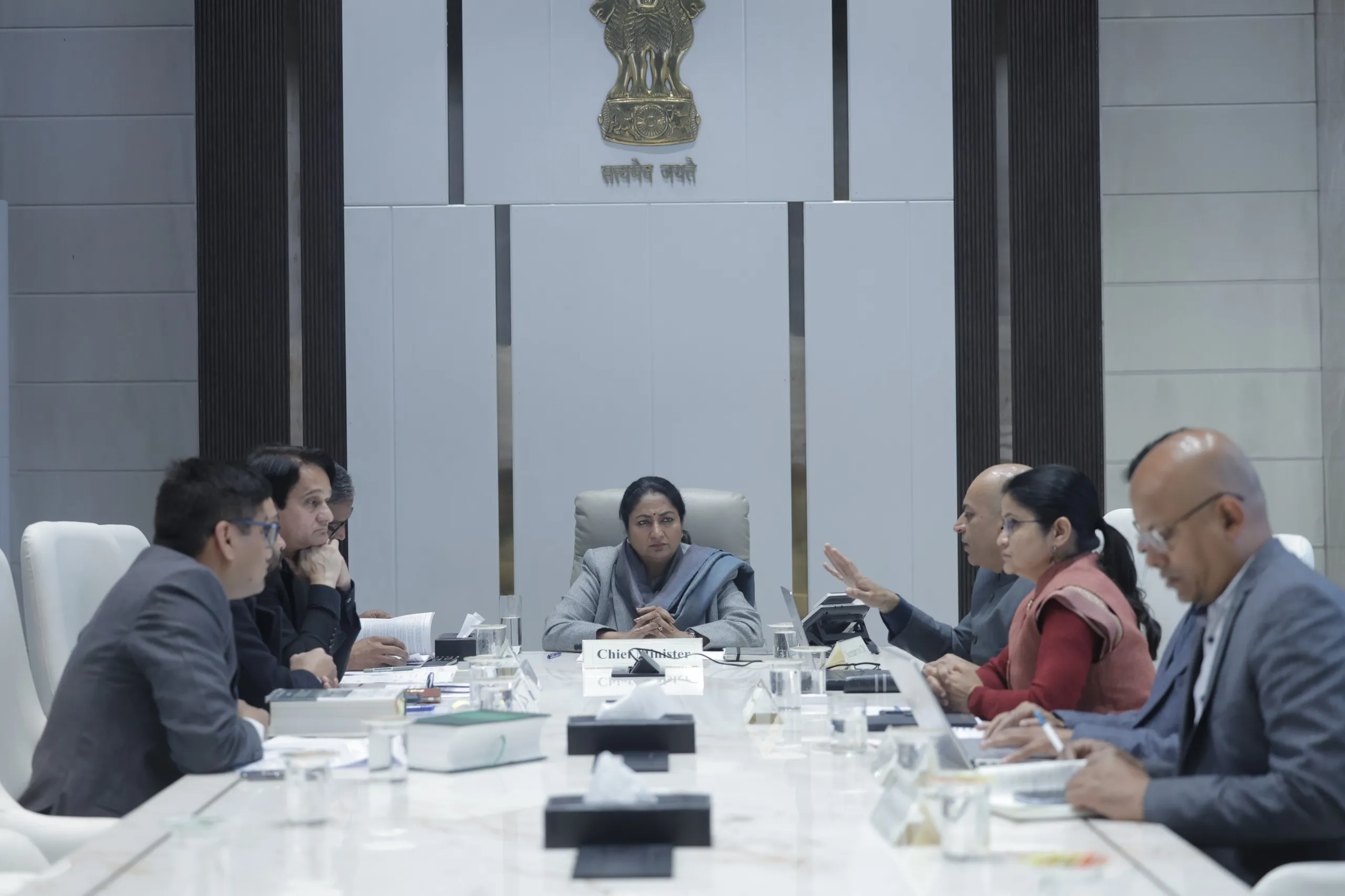
Under Chief Minister Smt. Rekha Gupta's chairmanship of the Shahjahanabad Redevelopment Corporation (SRDC), Old Delhi's transformation has begun in earnest. Committed to preserving the Walled City's unparalleled heritage while building world-class infrastructure, the government will underground overhead wires, implement comprehensive traffic management, develop multi-level parking, and conserve historic havelis, katras, and koochas. The government will revitalize landmark projects spanning Chandni Chowk, Jama Masjid, and the Delhi Gate to Kashmere Gate and Shyama Prasad Mukherjee Marg. Prioritizing basic civic needs - modern sewerage, uninterrupted water supply, and road infrastructure - the initiative ensures Old Delhi emerges as a premier tourism destination while honoring its centuries-old legacy as the heart of India's cultural capital. With SRDC reorganisation under the Chairmanship of the Chief Minister, Old Delhi’s development is set to gain renewed pace and clear direction.
Read More...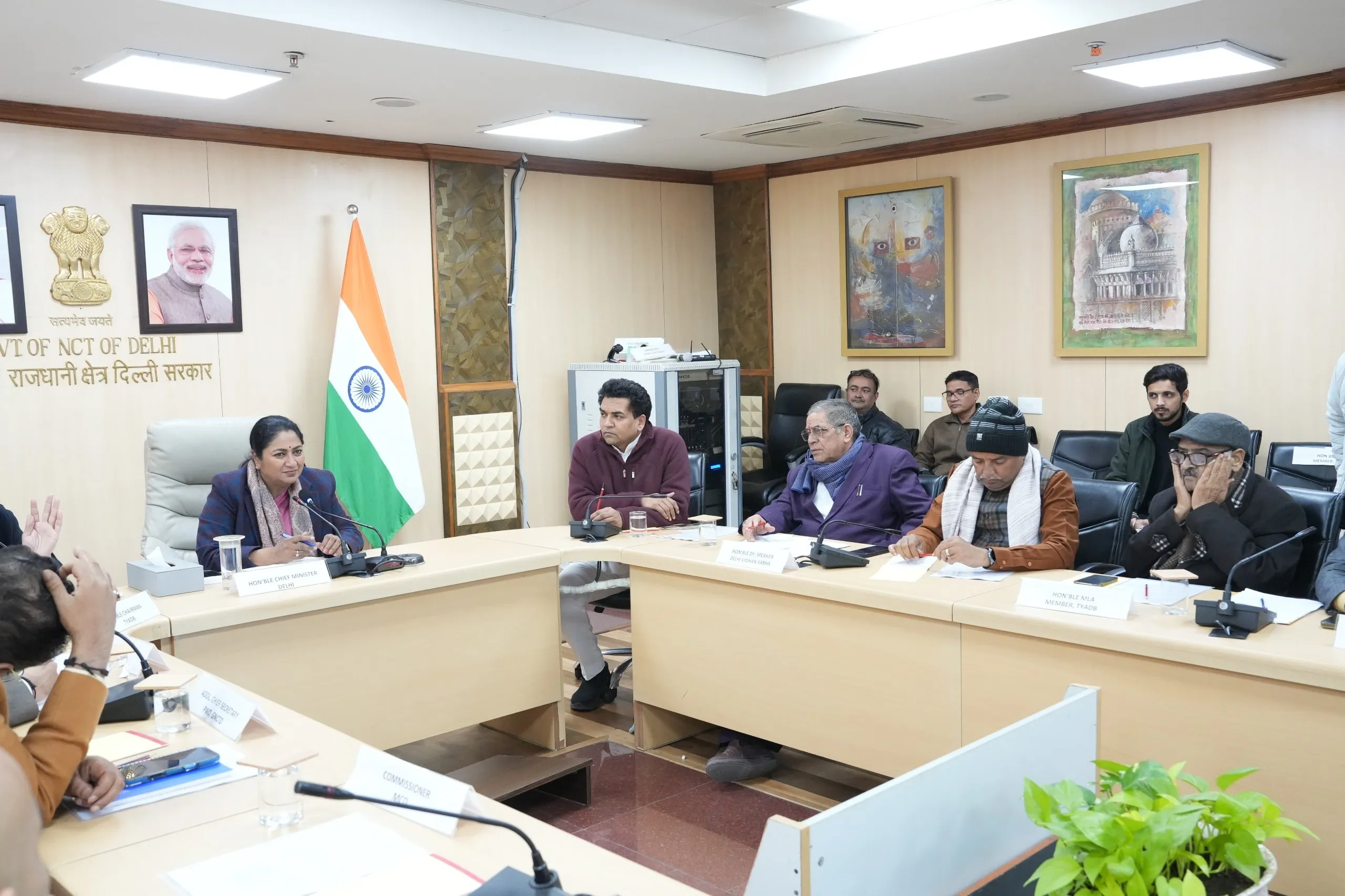
Under the leadership of Chief Minister Smt. Rekha Gupta, the Trans-Yamuna Area Development Board approved development projects worth ₹728 crore. This decisive move aims to accelerate infrastructure growth for the region, home to nearly one-third of Delhi’s population. The CM assured there would be no shortage of funds, directing officials to prioritize essential works like roads, drainage, and waterlogging solutions. Emphasizing the urgency ahead of the monsoon, she instructed for the speedy resolution of civic issues. This initiative marks a significant step towards transforming the Trans-Yamuna area into a developed region with world-class amenities.
Read More...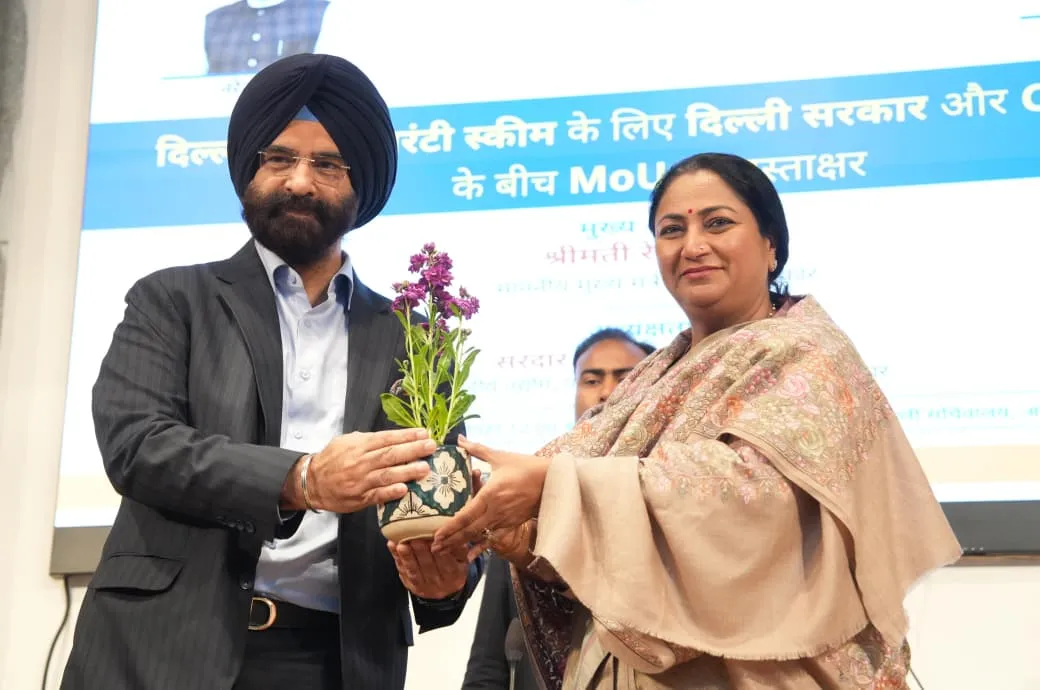
Under the leadership of Chief Minister Smt. Rekha Gupta, the Delhi Government signed a historic MoU with CGTMSE to launch the Delhi Credit Guarantee Scheme. Under this scheme, entrepreneurs in Delhi can avail loans of up to ₹10 crore without pledging any property or assets. The initiative removes one of the biggest hurdles faced by small business owners – lack of collateral. With government-backed guarantees, banks are encouraged to lend more confidently to start-ups, MSEs, and first-time entrepreneurs. The scheme covers multiple sectors and gives special support to youth and women entrepreneurs. Aligned with the vision of Viksit Bharat, this step will promote innovation, create jobs, and strengthen Delhi’s economy.
Read More...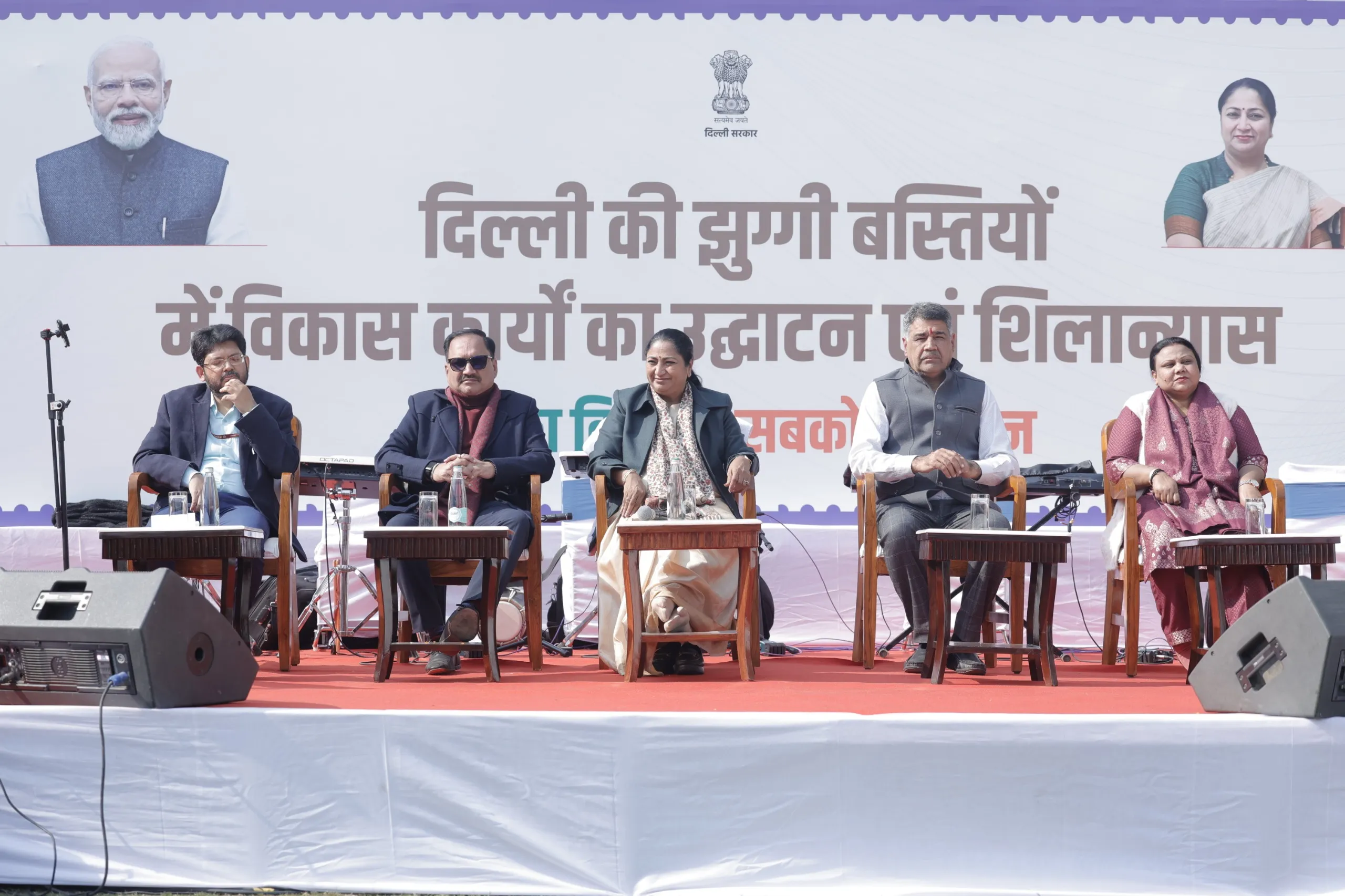
Marking Republic Day, Chief Minister Smt. Rekha Gupta approved ₹327 crore for JJ cluster projects, inaugurating works alongside community representatives. This vital investment in CC lanes and convenience complexes ensures residents are development partners. Significantly, dedicated facilities like Atal Canteens and Ayushman Arogya Mandirs are being ensured. Driven by the "double-engine" government and PM Modi’s vision of ‘Sabka Saath, Sabka Vikas, Sabka Vishwas and Sabka Prayas’, this initiative guarantees dignity and inclusive growth for the last mile.
Read More...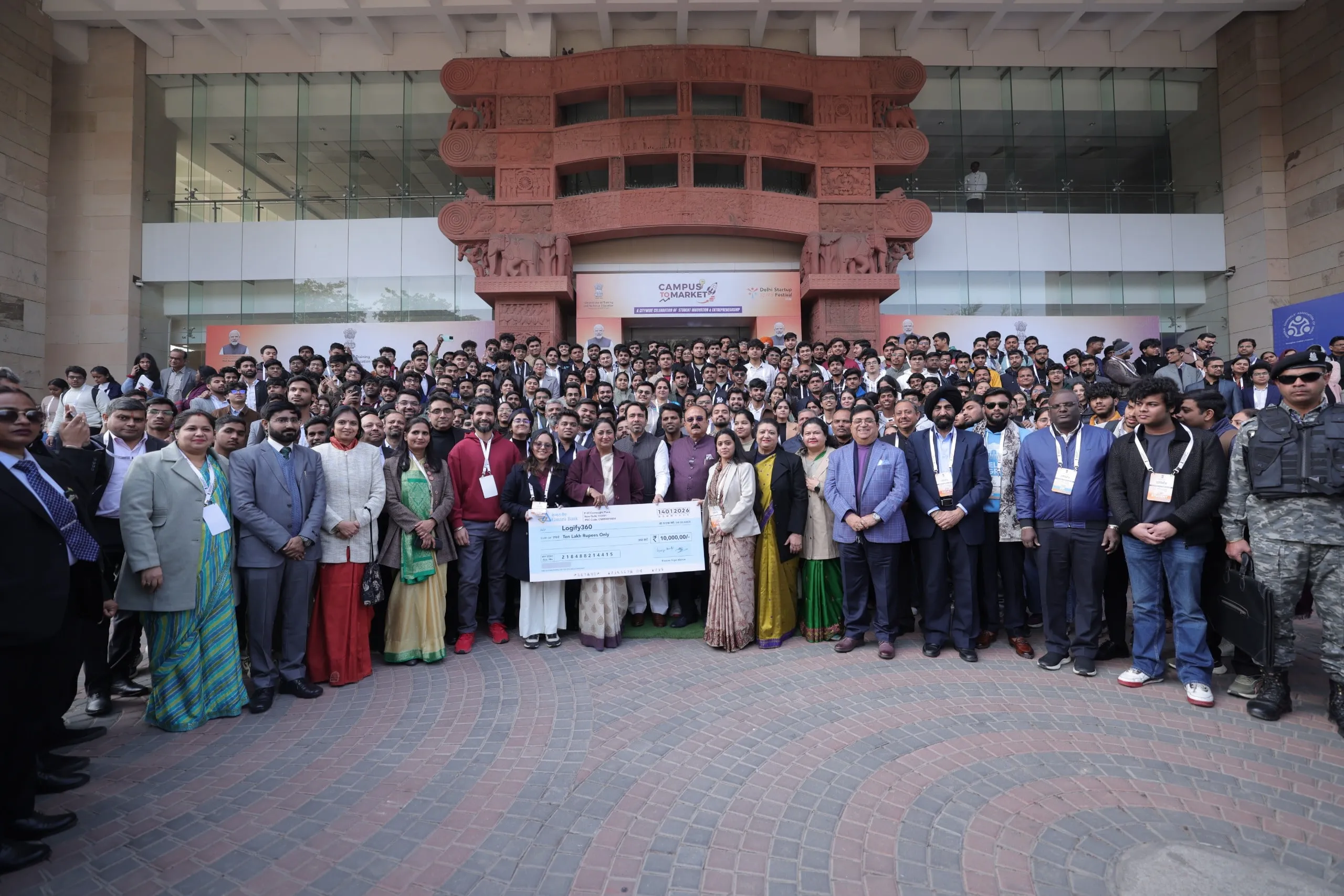
Under the leadership of Chief Minister Smt. Rekha Gupta, Delhi Government, is empowering youth to drive both economic and environmental transformation. At the ‘Campus to Market - Startup Yuva Festival 2026’, equity-free grants of ₹10 lakh were awarded to top innovators to establish Delhi as the ‘Startup Capital of India’. Complementing this vision, the Chief Minister inaugurated the ‘Innovative Solutions Against Pollution’ exhibition at IIT Delhi, featuring 33 prototypes. CM urged young minds to become job creators, leveraging technology for a cleaner, greener, and Viksit Delhi.
Read More...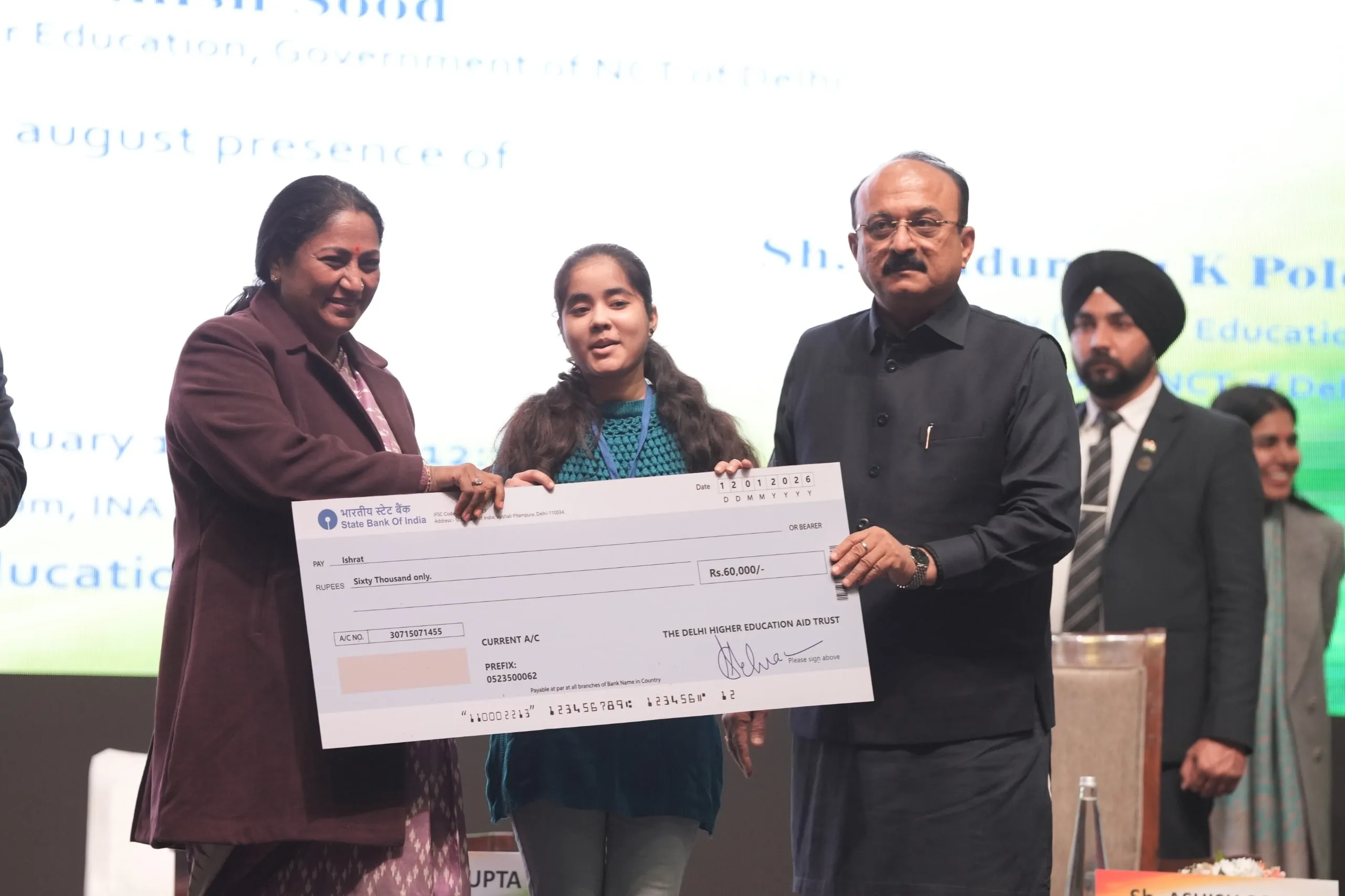
Marking Swami Vivekananda’s birth anniversary, the Delhi Government, under the leadership of Chief Minister Smt. Rekha Gupta, distributed scholarships worth ₹25.25 crore to 1,709 meritorious students. This vital investment ensures financial constraints never hinder talent. Significantly, the administration also cleared ₹19 crore in pending dues from the previous tenure. Aligned with the vision of ‘Viksit Bharat’, this initiative empowers youth to become future leaders, reinforcing the commitment to fostering academic excellence and holistic development without delay.
Read More...
Under Chief Minister Smt. Rekha Gupta's leadership, the Delhi Government is accelerating the capital's growth with transformative infrastructure initiatives across multiple constituencies. Projects worth over ₹539 crore have been launched to ensure dignified living for all citizens. Development works include ₹100 crore in R.K. Puram for roads and community centres, ₹135 crore in Moti Nagar for Foot Over Bridges and sewer upgrades, rejuvenation of Dry Munak Canal in Shalimar Bagh, ₹85 crore in Badarpur, ₹115 crore in Sangam Vihar, and ₹104 crore in Deoli. These initiatives, aligned with the 'Clean Delhi, Beautiful Delhi' vision, demonstrate a firm commitment to delivering equitable, world-class infrastructure across every corner of the capital.
Read More...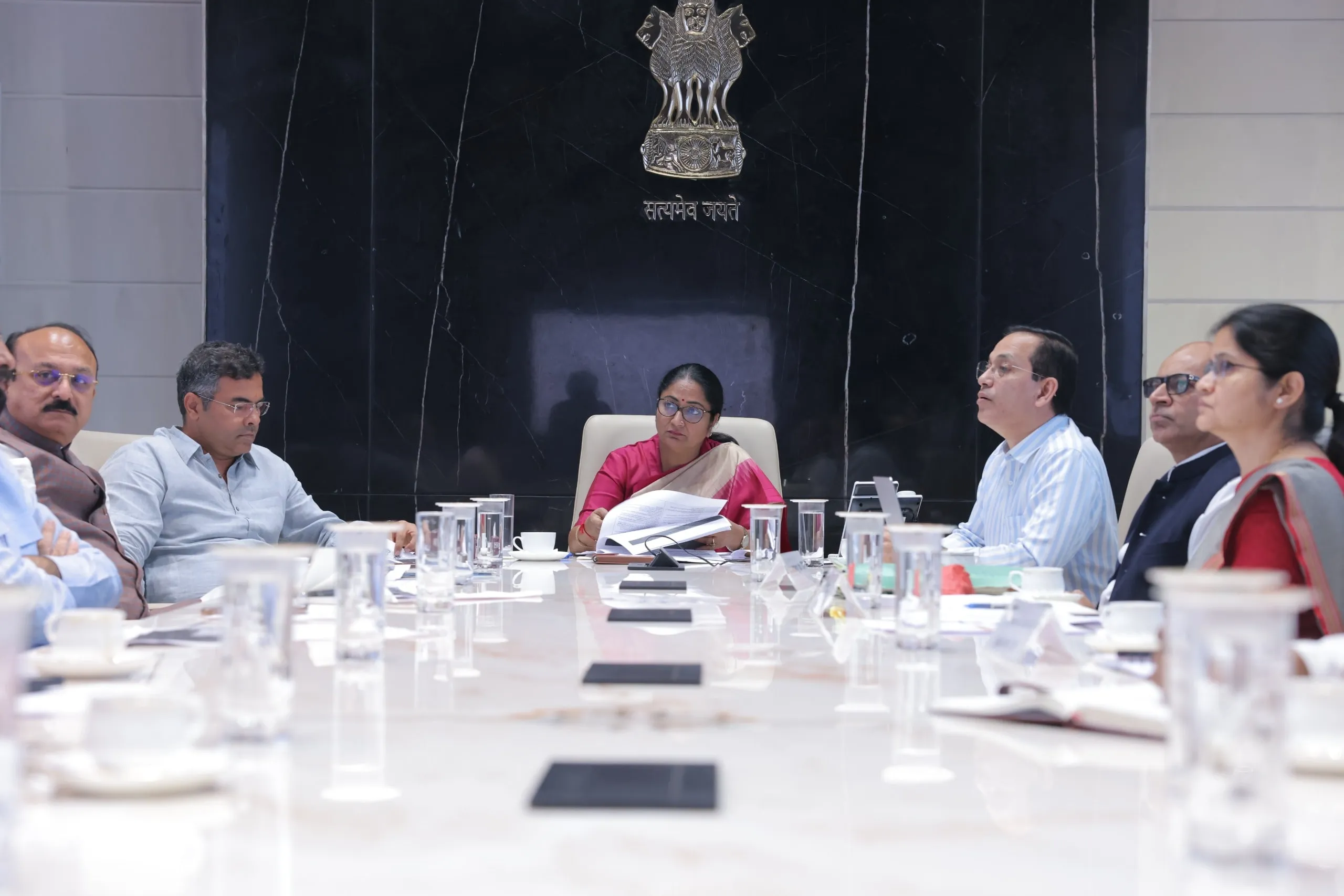
Under the leadership of Chief Minister Smt. Rekha Gupta, the Delhi Government has expanded food security to ensure no citizen goes hungry. The annual income eligibility for ration cards has been raised from ₹1 lakh to ₹1.20 lakh. Replacing self-certification with mandatory income certificates, the new rules empower district-level committees to prioritize the most needy. This reform, aimed at clearing over 3.89 lakh pending applications, establishes a transparent Public Distribution System aligned with the vision of ‘Sabka Saath, Sabka Vikas’.
Read More...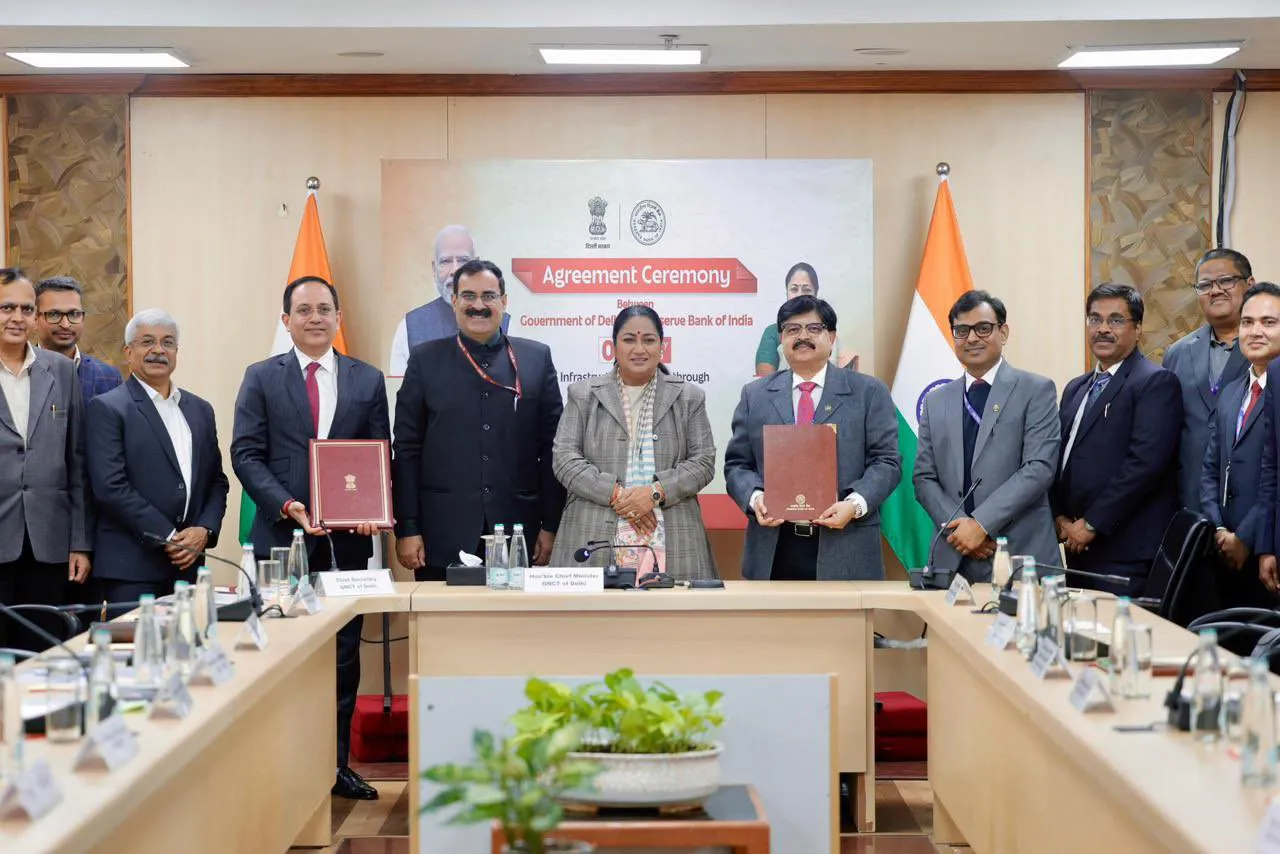
Under Chief Minister Rekha Gupta's leadership, the Delhi Government signed a landmark MoU with the Reserve Bank of India, fundamentally reshaping the capital's financial management. This historic agreement enables RBI to function as Delhi's banker and debt manager, bringing the city at par with other states. While previously surplus funds remained idle and borrowing costs stood at 12-13%, this reform introduces investment of surplus cash and open market borrowings at competitive 7% rates. All funds will be utilized exclusively for capital expenditure- Yamuna rejuvenation, hospitals, public transport, and urban infrastructure - ensuring durable asset creation and sustainable growth aligned with Viksit Bharat and Viksit Delhi vision.This reform paves the way for a, ensuring financial stability translates into world-class infrastructure for every citizen.
Read More...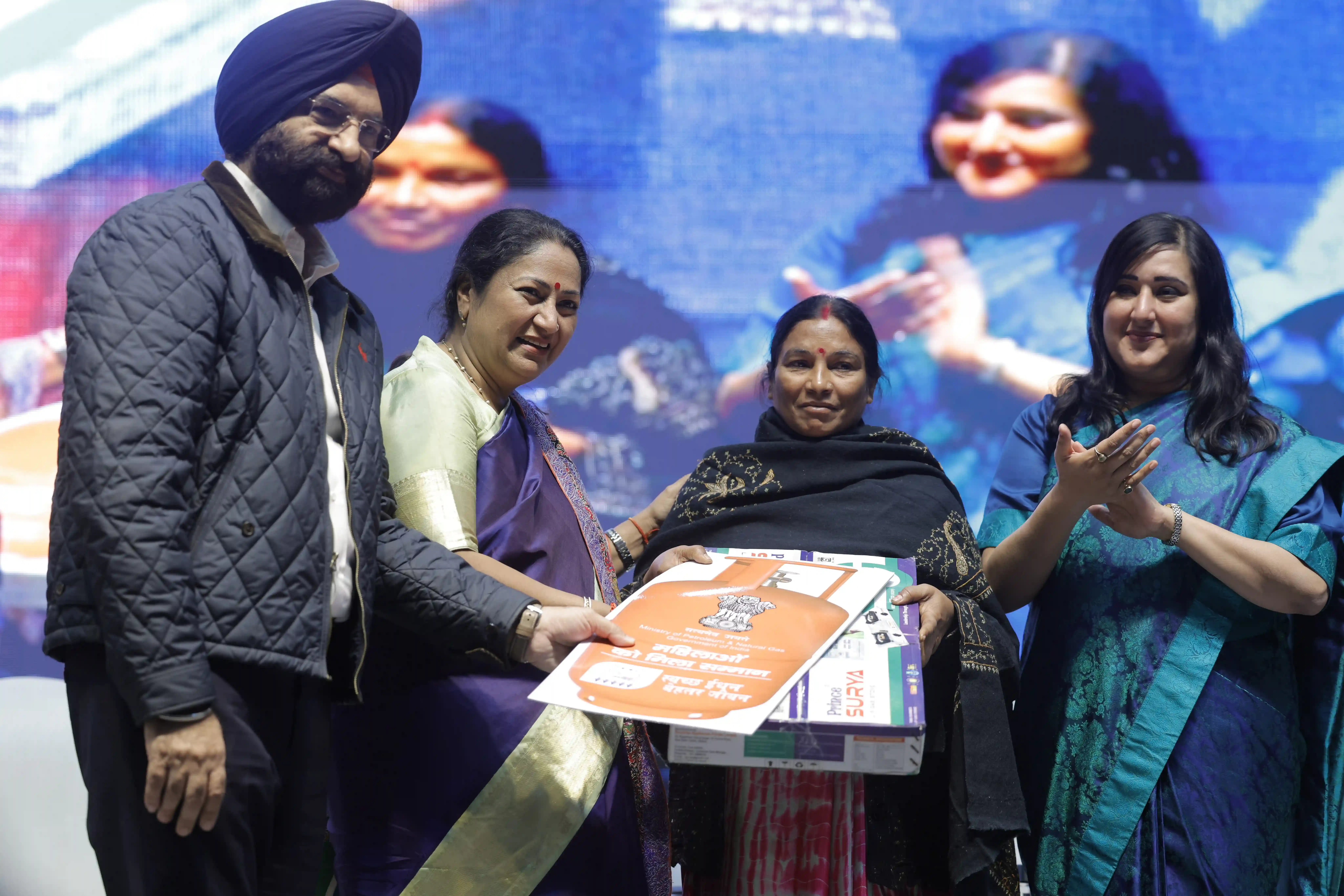
Chief Minister Smt. Rekha Gupta marked a significant step towards women’s empowerment by distributing 5,100 free LPG connections under the Pradhan Mantri Ujjwala Yojana, adding to the 2.6 lakh families in Delhi already benefiting from the scheme. This initiative delivers a dual benefit: relieving women from smoke-induced health hazards while reducing indoor pollution to aid the ‘Pollution-Free Delhi’ mission. Aligned with Prime Minister Shri Narendra Modi’s vision, this step transforms kitchens into safe spaces, marking a concrete move towards a healthier, cleaner capital.
Read More...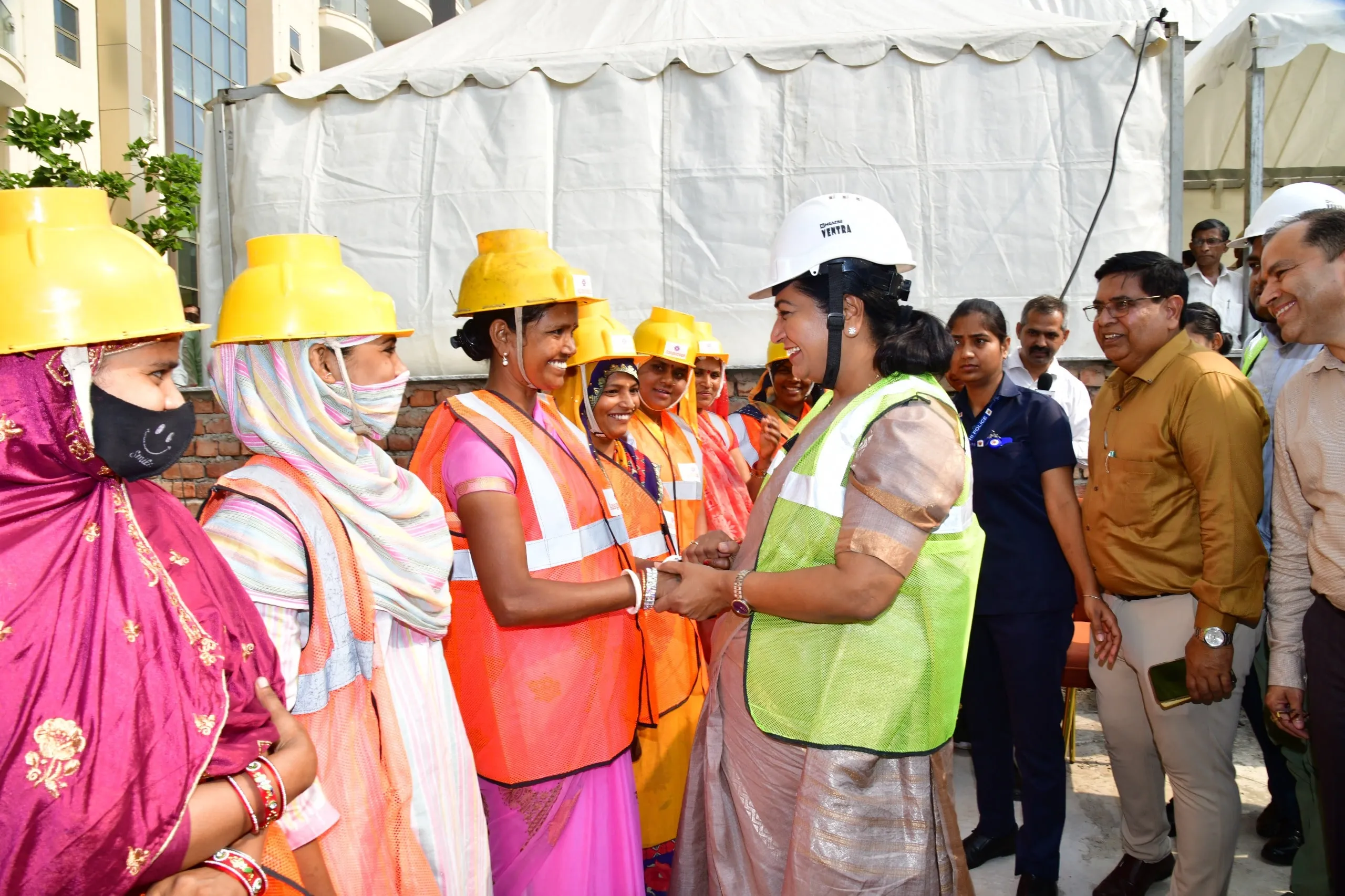
Under Chief Minister Rekha Gupta’s leadership, the Delhi Government has launched a crucial financial support initiative for construction workers impacted by air pollution restrictions under the Graded Response Action Plan (GRAP). Recognising the hardships faced during GRAP-III and GRAP-IV periods, when construction activities were suspended to curb pollution, the government announced a compensation of ₹10,000 per registered worker through direct benefit transfer (DBT). This step demonstrates a humane and responsible approach balancing environmental protection measures with labour welfare - ensuring that thousands of daily wage earners receive timely financial relief while the city implements strict anti-pollution actions.
Read More...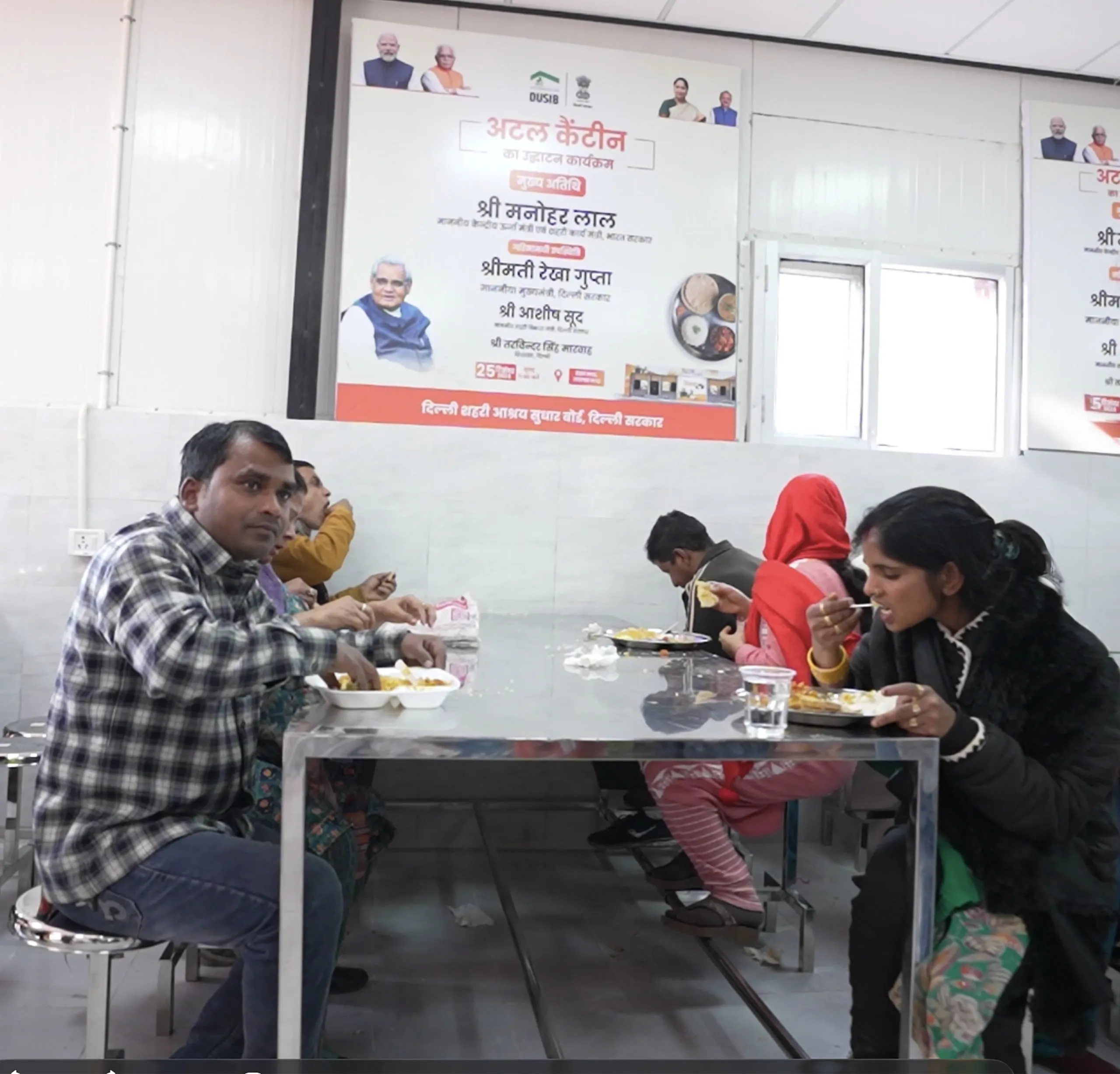
On the 101st birth anniversary of Atal Bihari Vajpayee, the Atal Canteen scheme was launched to provide nutritious meals at an affordable price of ₹5 to the economically weaker sections. Delhi Chief Minister Rekha Gupta, along with Union Minister Manohar Lal Khattar, inaugurated the first Atal Canteen at Lajpat Nagar. The initiative aims to ensure food security while promoting dignity and self-reliance among the poor. Currently, 45 Atal Canteens are operational across the national capital, offering wholesome meals that include dal, rice, roti, and vegetables. Additionally, 55 more canteens are planned to be launched in the coming days to expand the scheme’s reach.
Read More...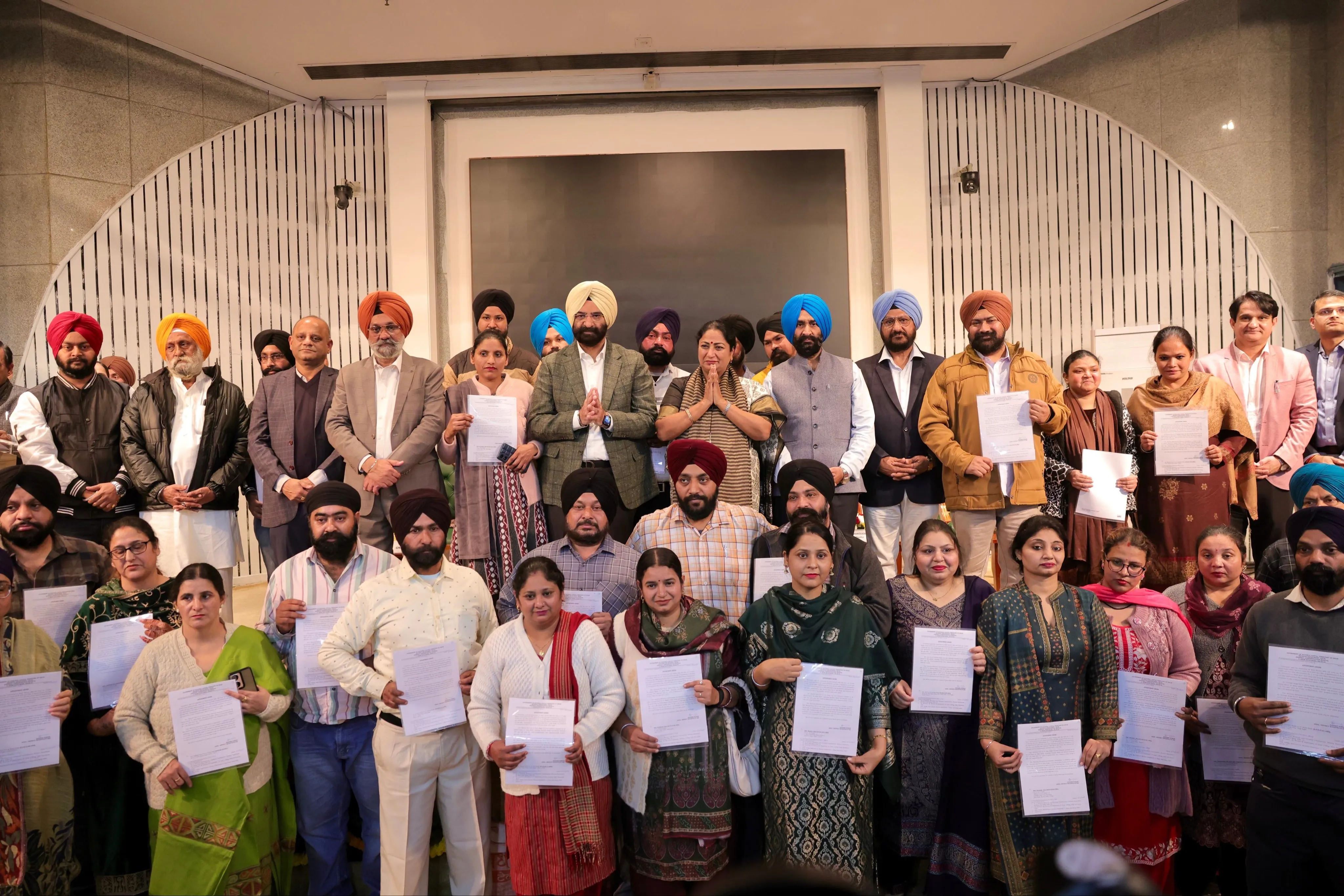
Under the leadership of CM Rekha Gupta, the Delhi Government is implementing a structured employment support programme for families affected by the 1984 anti-Sikh riots. On 12 December, 36 eligible family members were provided government job appointment letters under Phase 2, extending long-pending institutional support to affected households. These appointments go beyond economic assistance and represent formal recognition of dignity, rights, and identity. To ensure inclusivity, the government has also allowed the option for victims’ children to take up employment where the original beneficiary is of advanced age. Earlier, under Phase 1 in May 2025, 19 eligible beneficiaries were provided government jobs and are currently in service, reflecting timely and effective implementation.
Read More...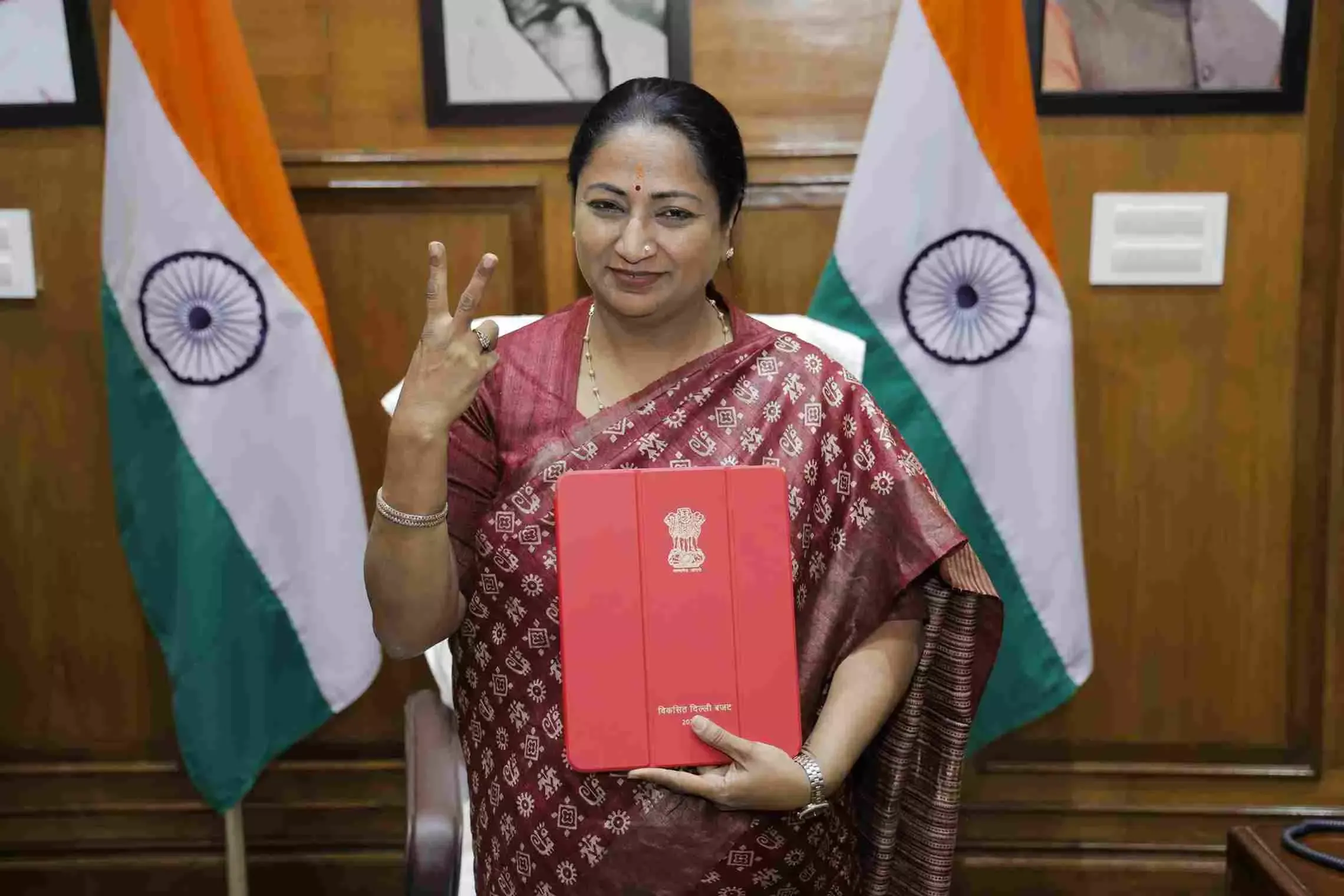
CM Rekha Gupta has presented a ₹1 lakh crore budget, marking the first time the Capital’s budget has reached this figure. The budget outlines ten key focus areas, including Yamuna cleaning, economic empowerment of women, improvement of water and sanitation systems, expansion of public infrastructure, and enhanced connectivity. It also prioritises better service delivery, strengthened social welfare programmes, and investment in long-term urban resilience. The plan sets a clear roadmap to make Delhi more self-reliant by addressing core civic needs and supporting sustainable growth, ensuring improved quality of life for residents across the city.
Read More...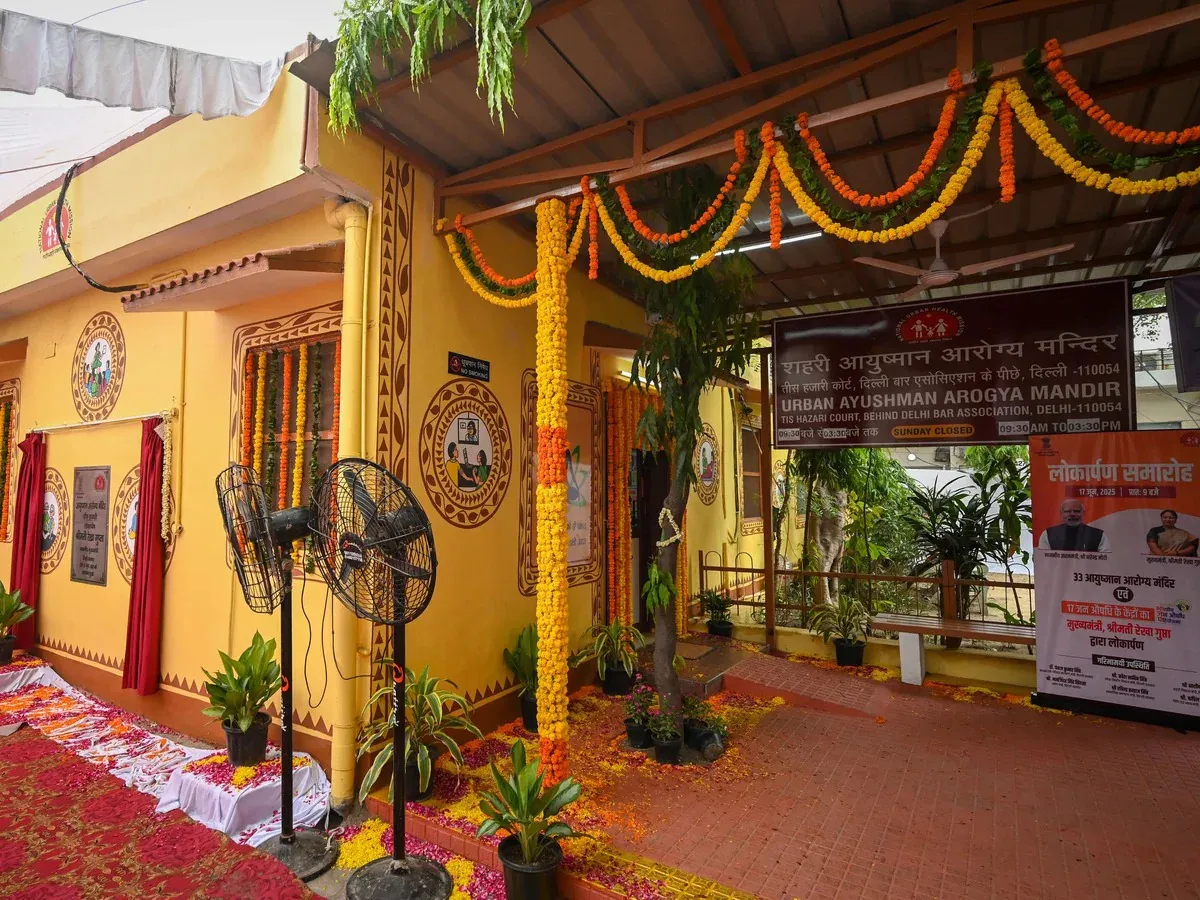
The Delhi Government has established and operationalized 319 Ayushman Arogya Mandirs and Jan Aushadhi Kendras across the city, alongside a major plan to expand hospital infrastructure by increasing Delhi’s hospital bed ratio from the current 0.47 beds per 1,000 citizens to at least 3 beds per 1,300 citizens. These centers have significantly strengthened primary healthcare delivery by providing citizens with access to essential medical services closer to home. Through Ayushman Arogya Mandirs, people receive free consultations, diagnostics, and preventive care, while Jan Aushadhi Kendras ensure the availability of quality medicines at highly affordable prices. Together, these initiatives are reducing out-of-pocket medical expenses, improving early treatment, and making primary healthcare more accessible, efficient, and citizen-friendly for Delhi’s residents.
Read More...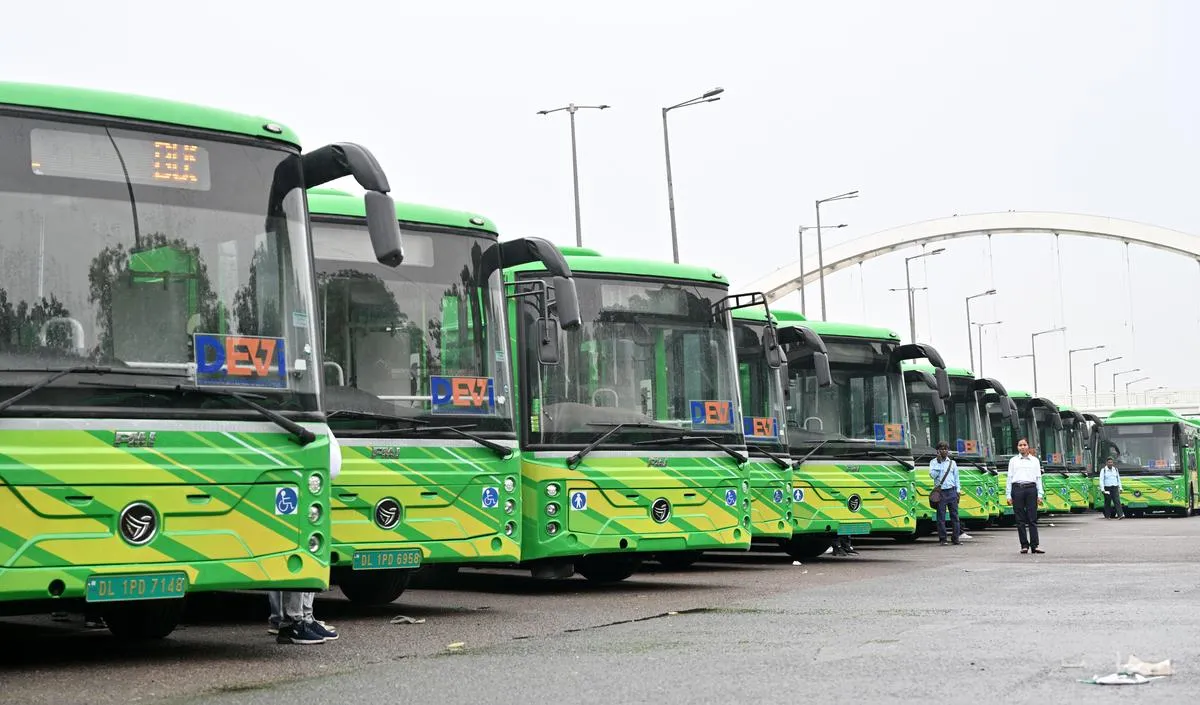
Under the leadership of CM Rekha Gupta, Delhi now operates 1,938 CNG buses and more than 3,400 large electric buses, creating a robust fleet of 5,275 clean-energy buses that is transforming the city’s public transport system. The growing adoption of electric buses significantly reduces emissions, as EVs produce zero tailpipe pollution and help lower PM2.5 and PM10 levels—two major contributors to Delhi’s air quality challenges. Their quieter operation, higher energy efficiency, and reliance on renewable power further enhance environmental sustainability. This expanded eco-friendly fleet is making public transport cleaner, modern, and more reliable, serving as a key driver of Delhi’s long-term pollution reduction efforts.
Read More...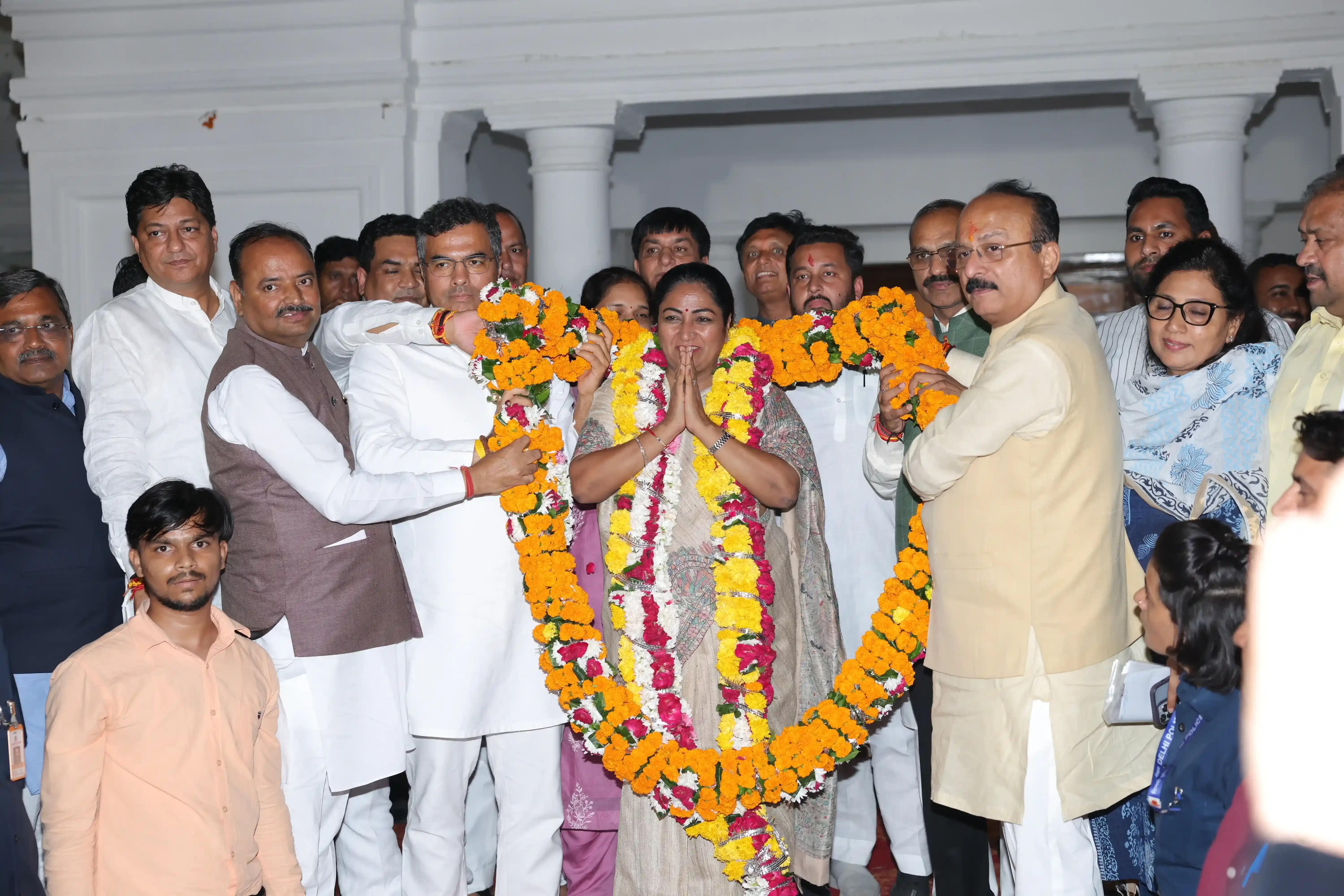
The Delhi School Education (Transparency in Fixation and Regulation of Fees) Bill, 2025, seeks to ensure a fair, transparent, and accountable system for determining fees in private schools across the capital. It establishes independent committees at the school, district, and state levels, with parents included as key members and vested with veto power on proposed fee increases. The bill prohibits arbitrary or unjustified fee hikes and introduces strict penalties for non-compliance or coercive actions against students. By safeguarding parents’ interests, the legislation promotes responsible governance and reinforces trust in Delhi’s private education system.
Read More...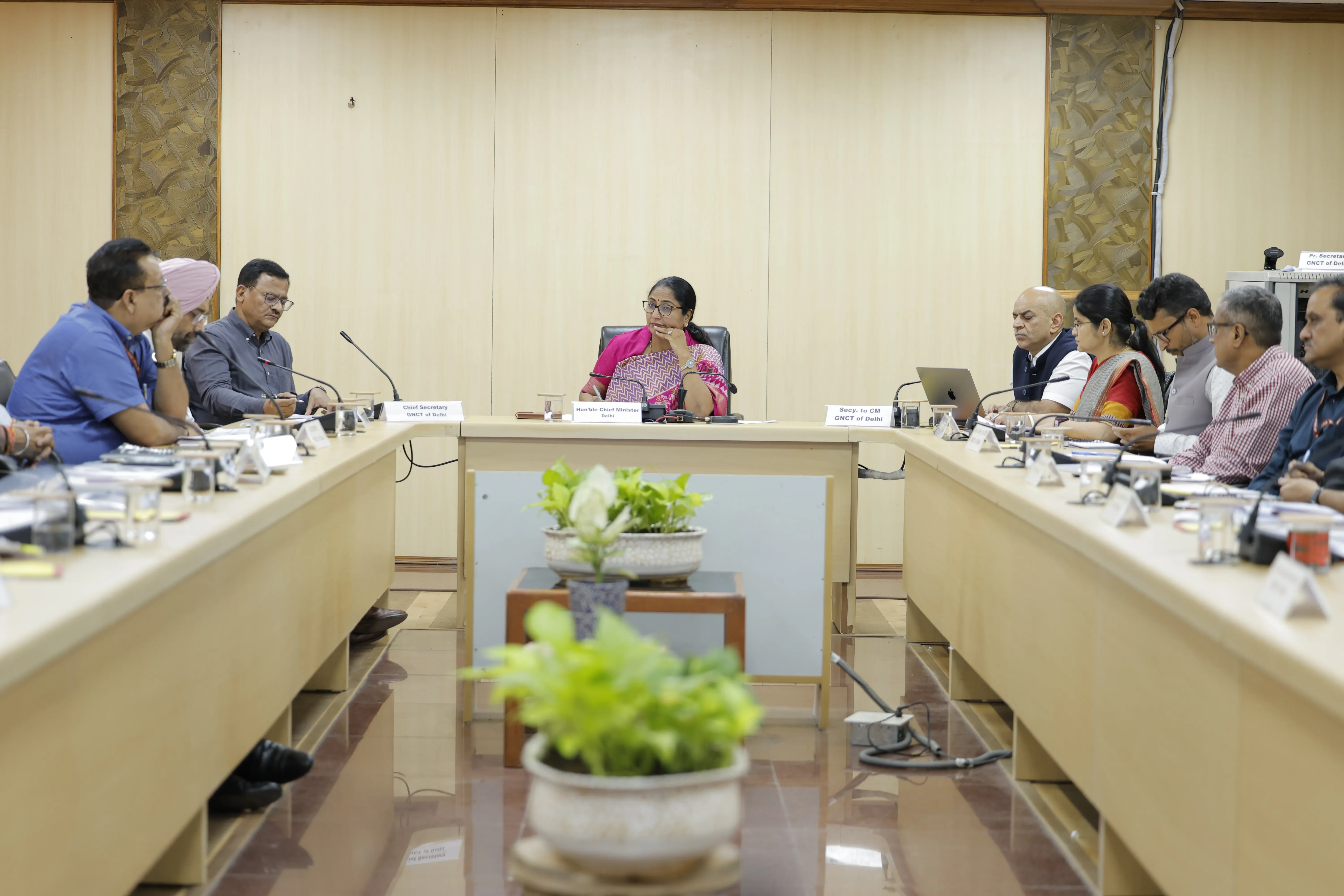
The Delhi government has permitted women employees to work night shifts across shops and commercial establishments, following the Lieutenant Governor’s notification amending provisions of the Delhi Shops and Establishments Act, 1954. The reform, first announced by Chief Minister Rekha Gupta in July, has now been formally notified by the Labour Department. All establishments, except liquor outlets, may employ women at night, subject to safety and welfare conditions. The notification states that no employee may work more than 9 hours a day or 48 hours a week, and continuous work beyond 5 hours without a break is prohibited. Employers must ensure voluntary participation, safe transportation, adequate security, and full CCTV coverage.
Read More...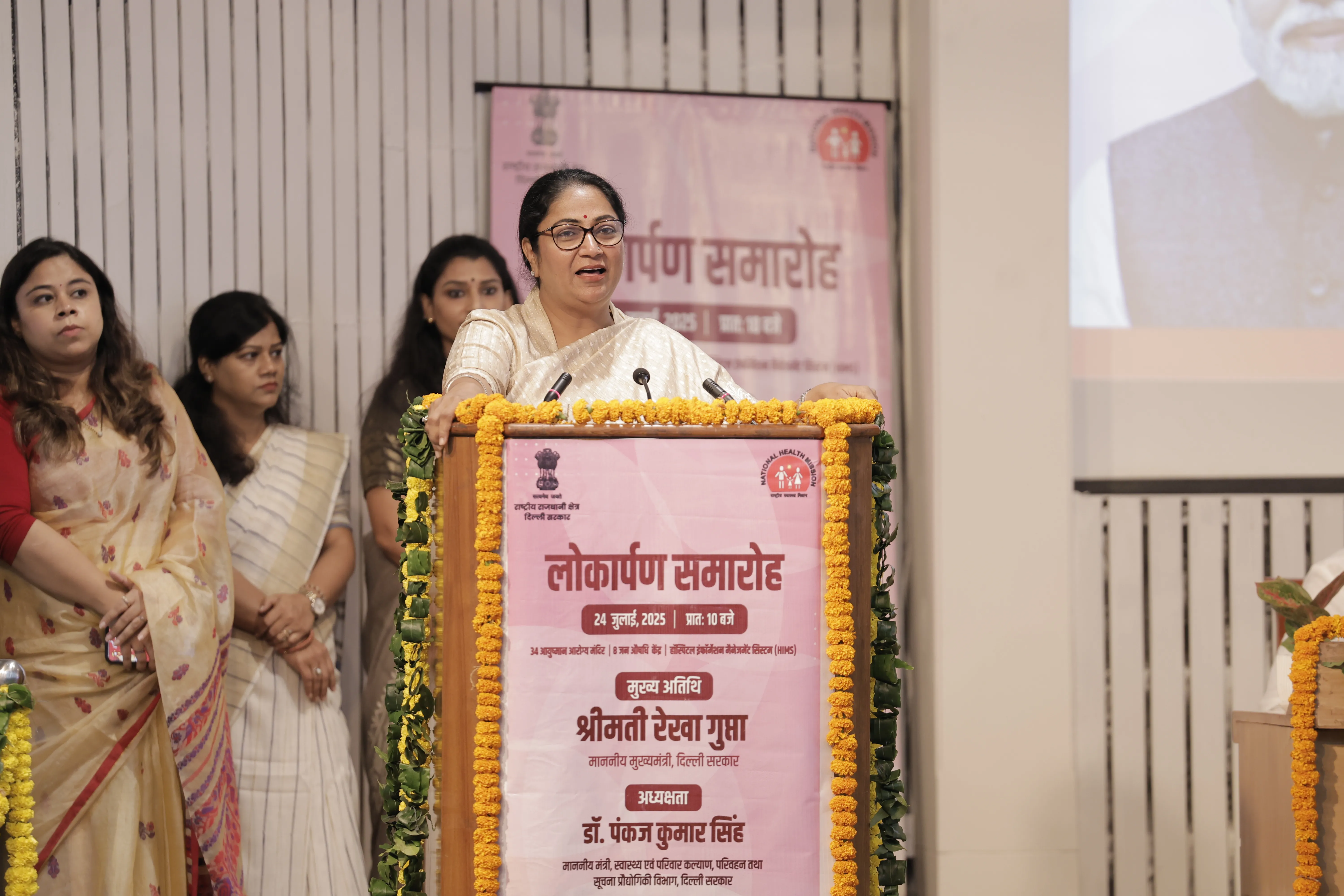
The Delhi Government has launched the HIMS portal across 35 government hospitals in Delhi, marking a major step towards modern, integrated healthcare delivery. With this system, OPD bookings, digital prescriptions, and complete medical records will now be accessible in real time, reducing delays and improving coordination between departments. Patients will benefit from faster, transparent, and paperless services that make treatment smoother and more efficient. The initiative is designed to minimise long queues, enhance record accuracy, and ensure timely care, reinforcing the government’s commitment to providing a seamless and technology-driven healthcare experience for every citizen.
Read More...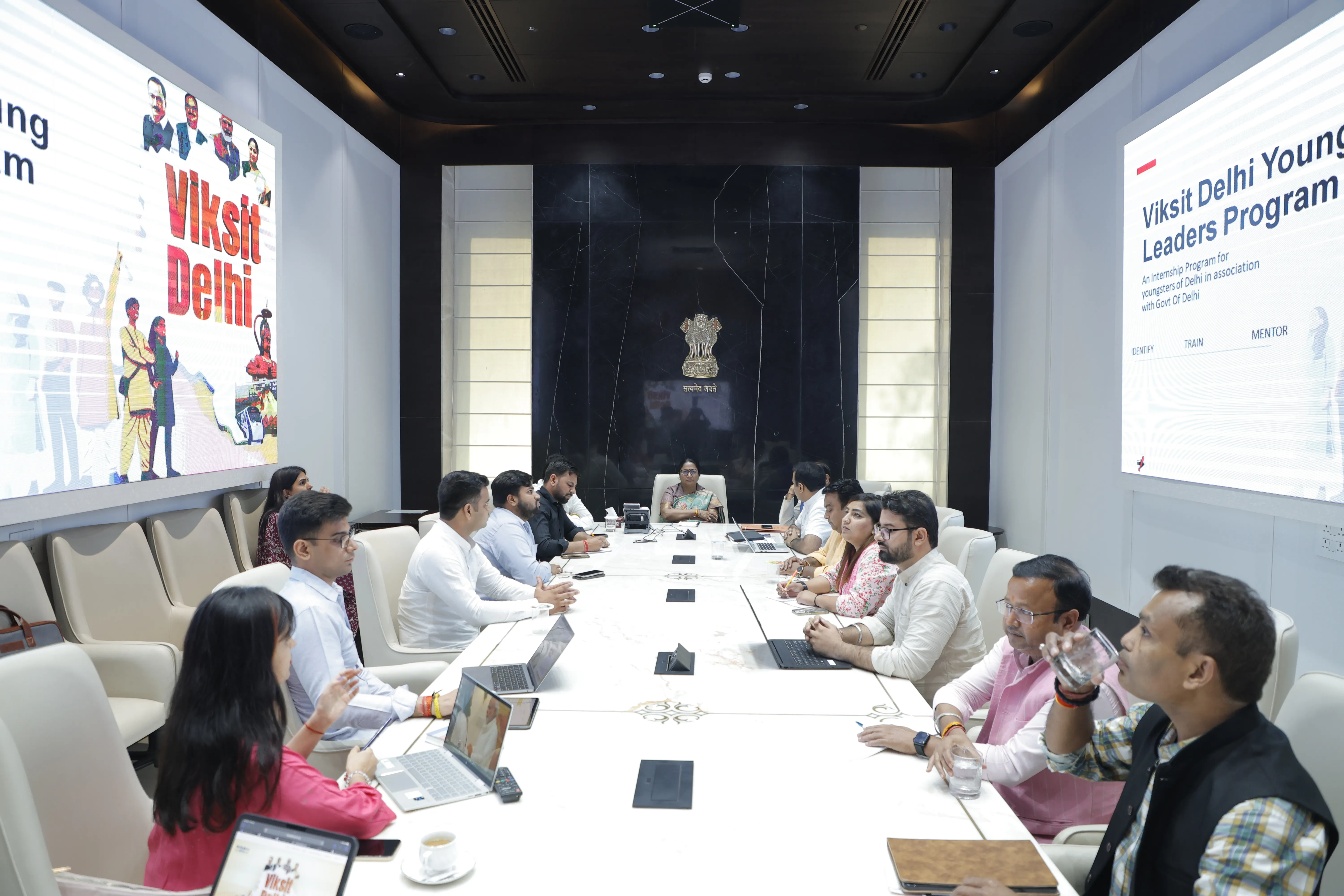
The Delhi Government launched the Viksit Delhi Internship Program, offering young people a structured opportunity to participate directly in governance and public administration. Under the initiative, selected interns will receive a monthly stipend of ₹20,000 for a period of three months. The programme aims to familiarise youth with government functioning, policy execution, and citizen-centric service delivery, enabling them to gain meaningful, hands-on experience. By connecting young minds with administrative processes, the internship enhances their skills, broadens their understanding of governance, and encourages greater civic engagement. This initiative reflects the government’s commitment to empowering Delhi’s youth and building future leadership.
Read More...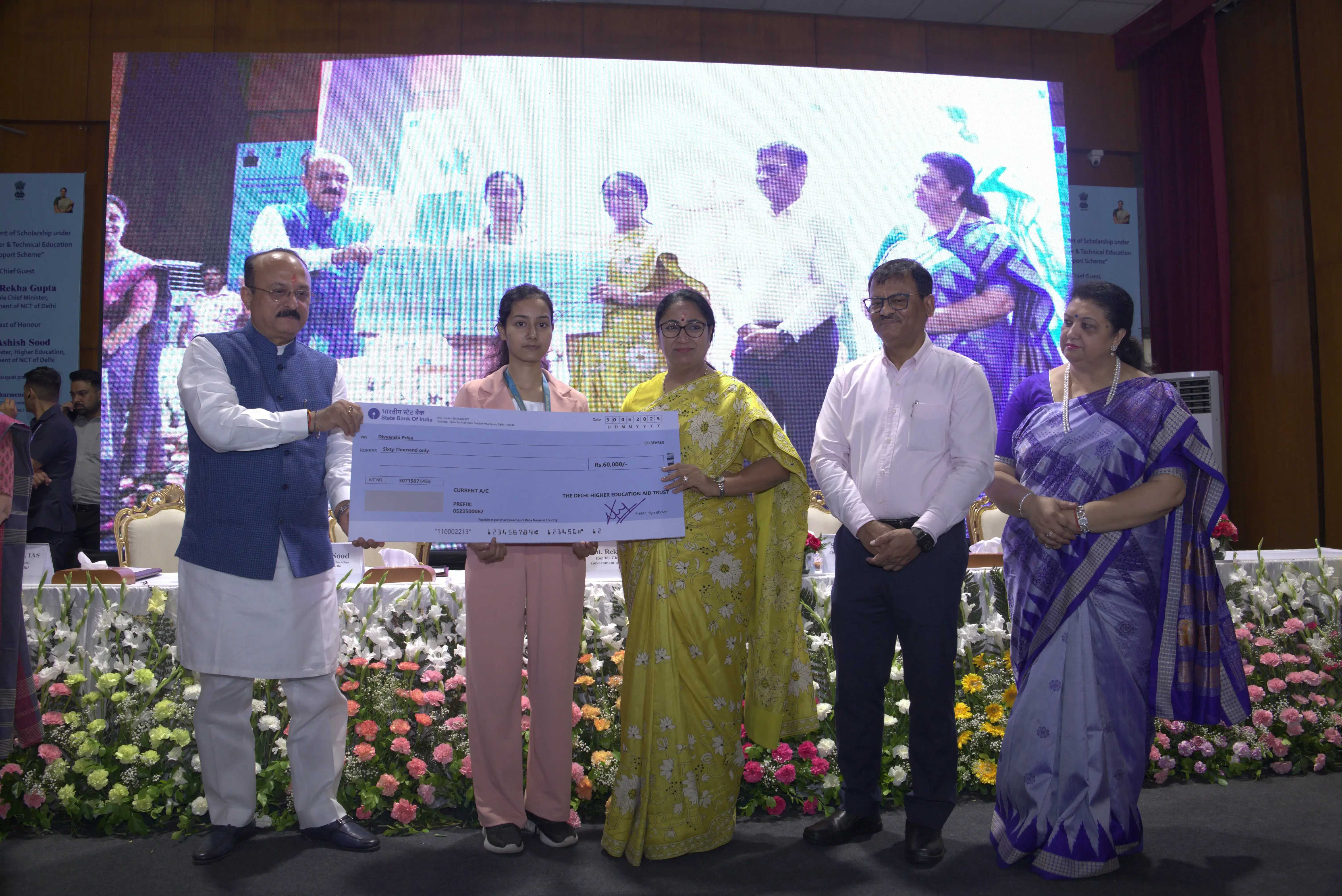
Under the leadership of CM Rekha Gupta, more than 1,300 economically disadvantaged meritorious students from universities under the Delhi Government have been awarded scholarships through the Delhi Higher & Technical Education Assistance Scheme. This initiative aims to ensure that financial limitations do not hinder talented students from accessing quality higher education. By supporting tuition fees and related academic expenses, the scheme enables deserving youth to pursue advanced studies with confidence. The government’s focus on educational inclusion reflects its commitment to nurturing a skilled, empowered generation and expanding opportunities for students from low-income backgrounds to achieve academic and professional success.
Read More...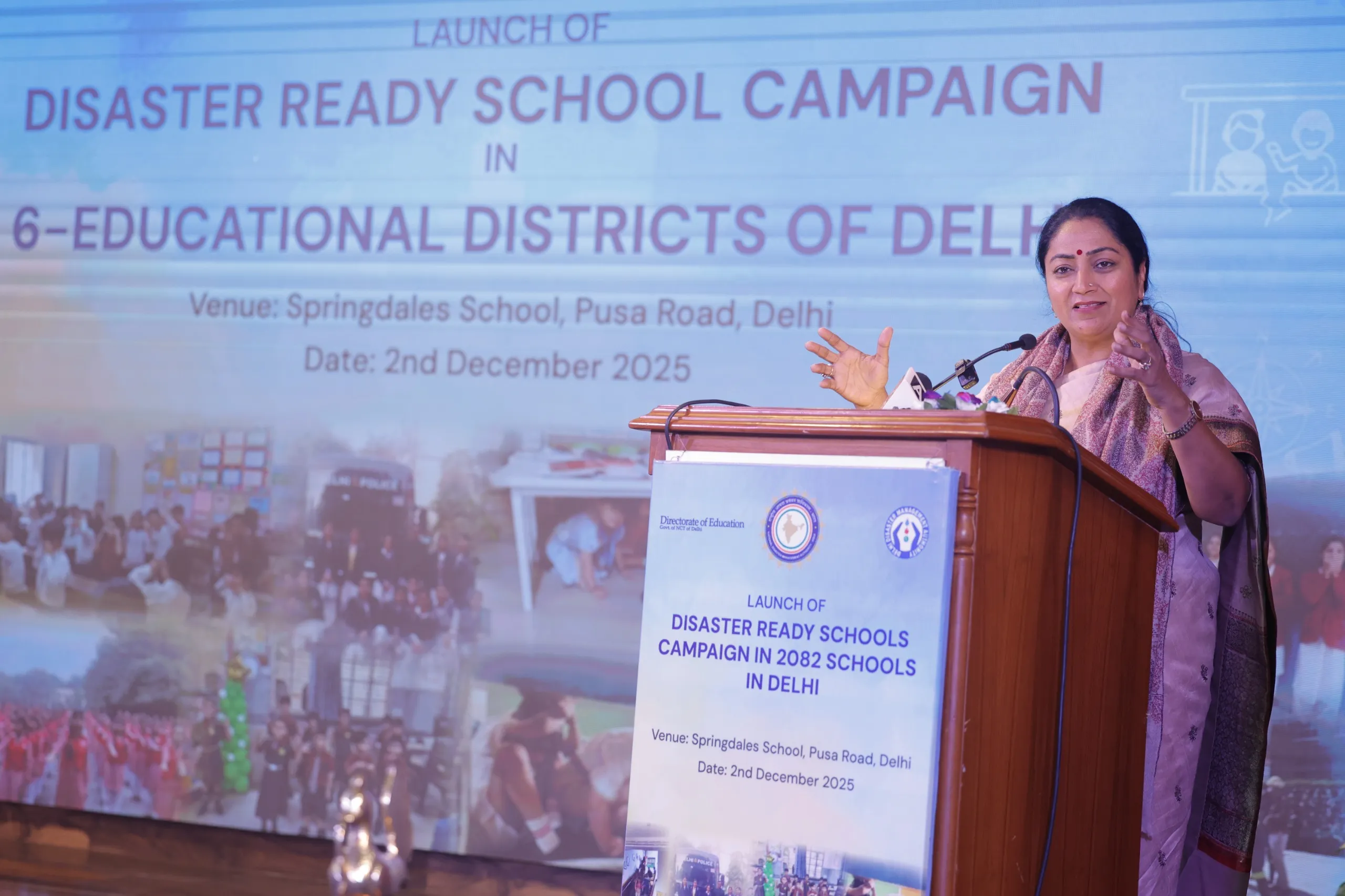
HCM Rekha Gupta along with Hon’ble Lieutenant Governor Shri V.K. Saxena jointly inaugurated the “Disaster Ready Schools Campaign” on December 2, 2025, in partnership with the National Disaster Management Authority (NDMA) and the Delhi Disaster Management Authority (DDMA). The initiative aims to build “safe schools” and establish Delhi as a “Disaster Ready Capital” by strengthening institutional disaster preparedness across schools in the city. The campaign aligns with Hon’ble Prime Minister Shri Narendra Modi’s ‘Zero Casualty’ vision and his 10-Point Agenda for Disaster Risk Reduction, focusing on preparedness, risk awareness, capacity building, and resilience among students and school staff to minimize vulnerabilities during emergencies.
Read More...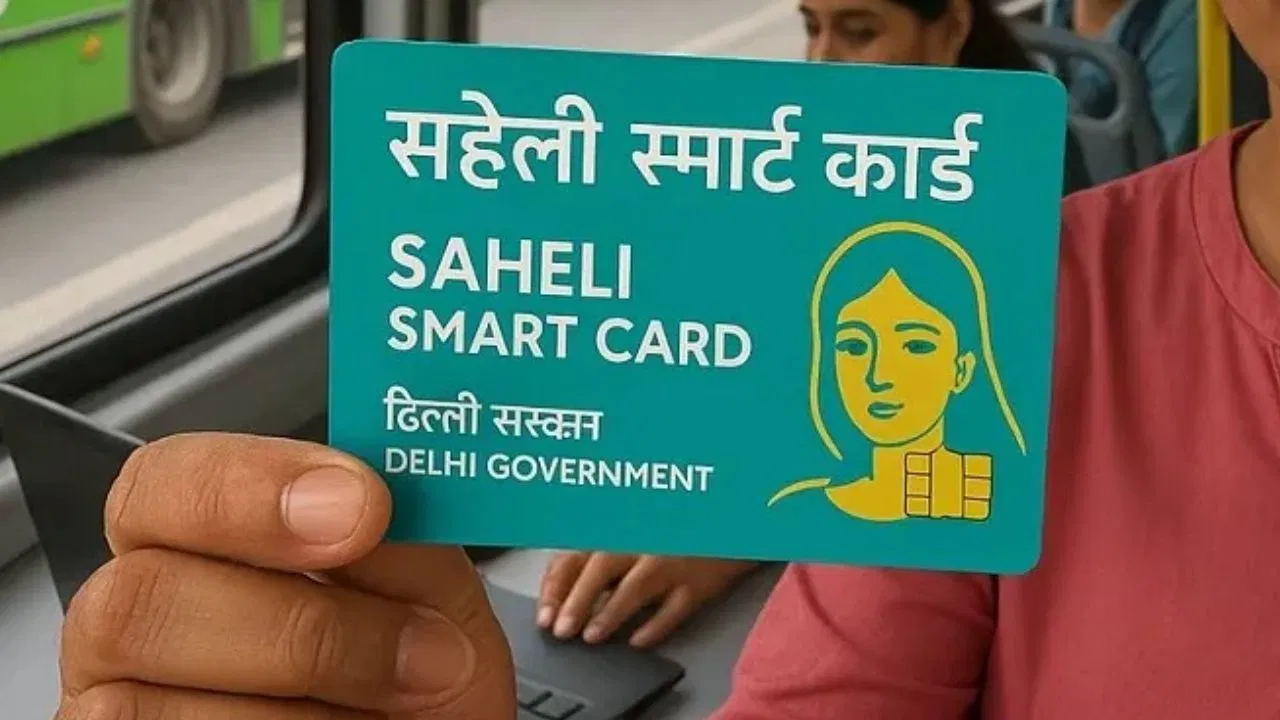
Under the leadership of CM Rekha Gupta, the Delhi Government has introduced the Saheli Card, a personalised smart card designed to provide free bus travel for women and transgender residents of Delhi. The initiative aims to ensure safe, reliable, and convenient mobility while promoting greater access to education, employment, and public services. The card will be integrated with the city’s digital transport systems for seamless verification and ease of use. By reducing daily travel expenses and improving mobility security, the Saheli Card strengthens social inclusion and supports the government’s broader commitment to empowerment and equitable opportunities.
Read More...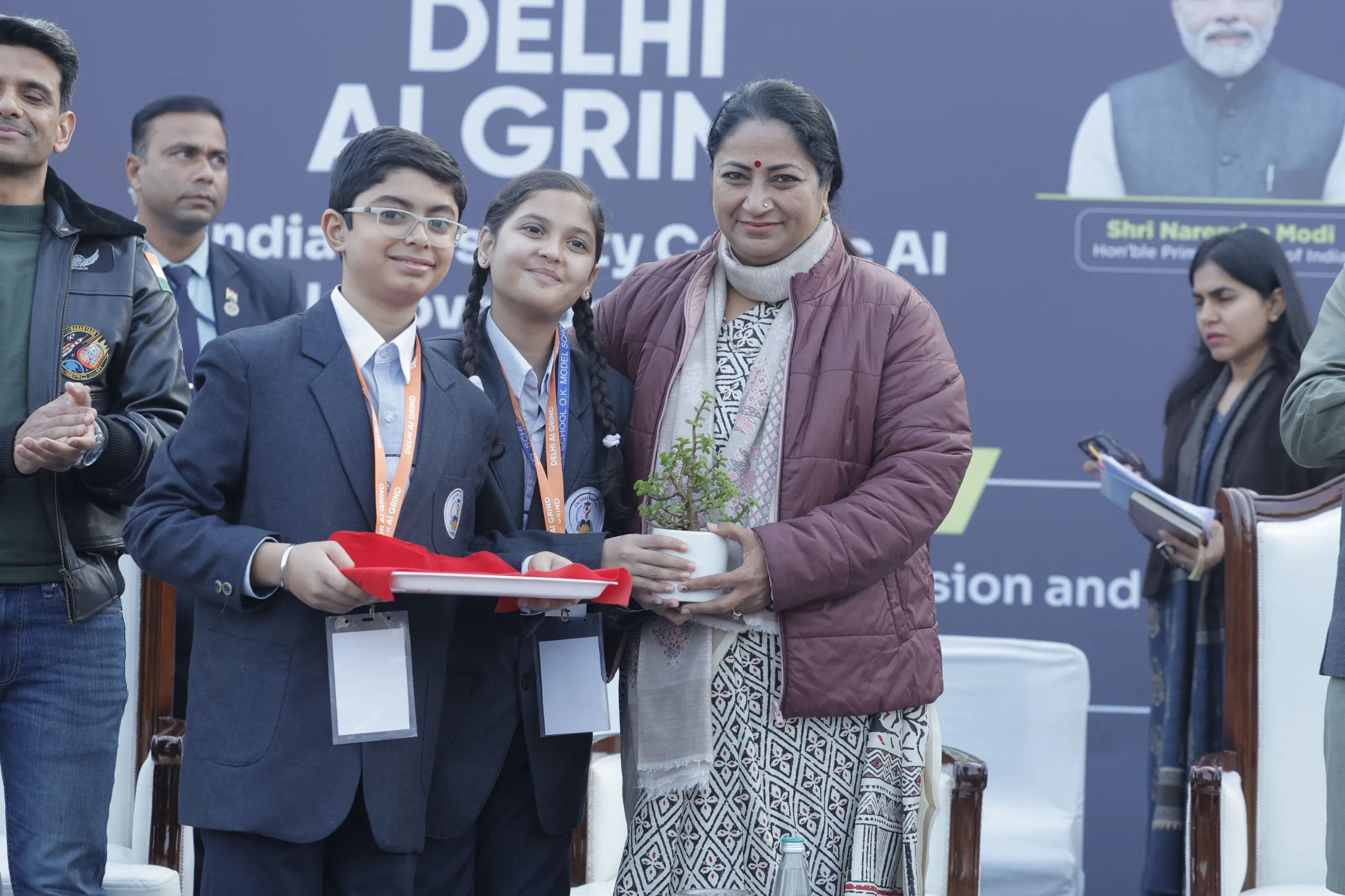
The Delhi government launched ‘Delhi AI Grind’, a six-month, citywide innovation movement to empower 5 lakh young minds aged 10–25 to address real-world challenges using Artificial Intelligence. The initiative aims to transform classrooms into innovation labs and position Delhi as India’s Knowledge and AI Capital. Under the Directorate of Education’s NEEEV programme, participation is mandatory for students of Classes VI–IX and XI. Running from December to March, the programme includes orientation sessions, Mini Grinds, and mentorship support from School Innovation Councils and designated NEEEV teachers to nurture entrepreneurial thinking and AI-based problem-solving.
Read More...
The Delhi Government under CM Rekha Gupta has initiated a targeted anti-pollution drive, beginning with the installation of 35 advanced electric mist-spray systems at ITO and nine major pollution hotspots. Such systems will be installed across the city to suppress road dust and maintain cleaner streets. Alongside this, the government has reinforced accountability by directing all concerned agencies to resolve citizen complaints on dust and related civic issues submitted through the upgraded MCD 311 app, within 72 hours. The Chief Minister emphasised that strong public participation and swift institutional response are essential to the success of this war-footing campaign.
Read More...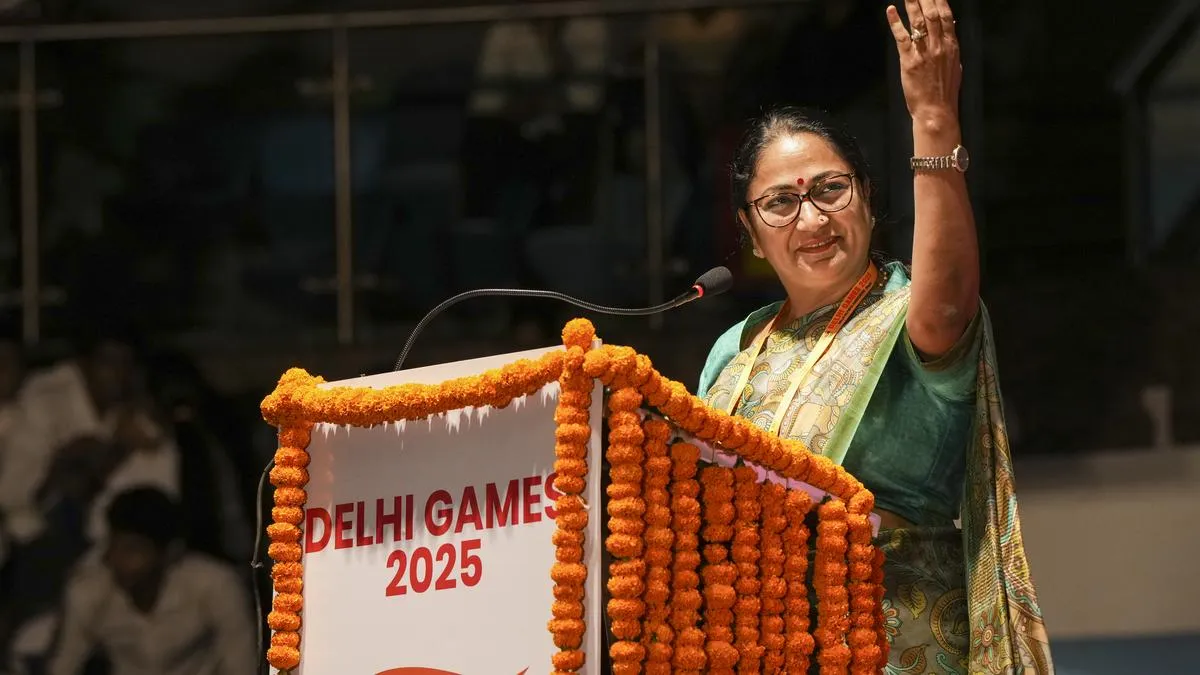
Under the leadership of HCM Rekha Gupta, the Delhi Government has strengthened its sports ecosystem through expanded incentives, dedicated governance, and new infrastructure. Cash rewards for Olympic and Paralympic medalists have been doubled to ₹7 crore for gold, ₹5 crore for silver, and ₹3 crore for bronze, along with Group A, B, and C government jobs for top performers. Financial support of up to ₹20 lakh for elite athletes and ₹5 lakh for school-level talent has been introduced with a focus on inclusivity, especially for para-athletes. A dedicated Department of Sports and Youth Affairs will manage coaching centres, hostels, materials, and public outreach. New sports facilities, including mini complexes and the upcoming Dwarka Stadium, will expand access to training and community participation.
Read More...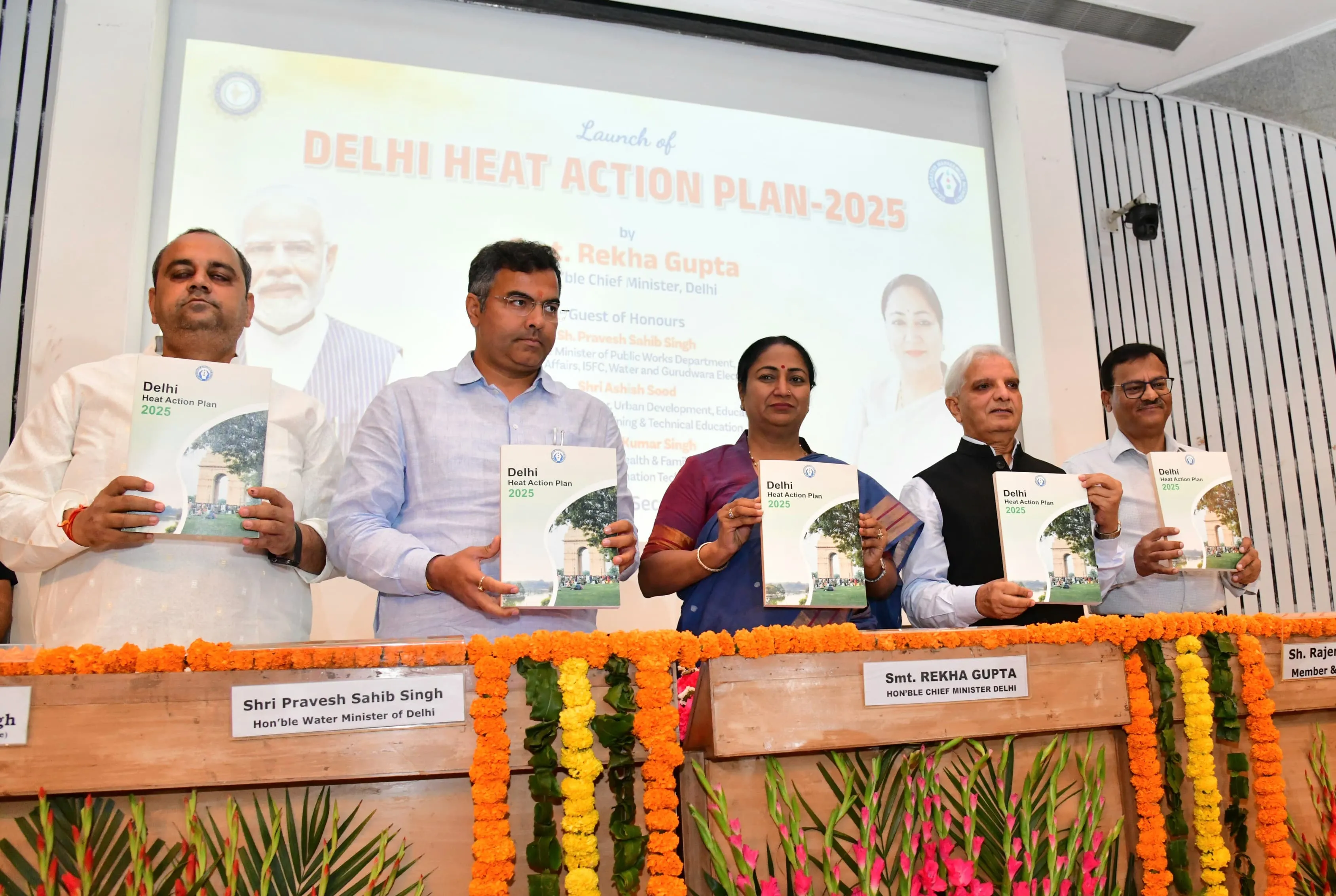
CM Rekha Gupta has launched the Delhi Heat Action Plan (D-HAP) 2025, a comprehensive and coordinated strategy to safeguard citizens from extreme heat and the increasing frequency of heatwaves. The plan strengthens preparedness across multiple sectors, including health, water, energy, and relief services, ensuring timely action during high-temperature periods. It outlines measures such as early warning systems, public awareness campaigns, improved access to drinking water, heat-resilient infrastructure, and special support for vulnerable groups. By integrating responses across departments, the Delhi Heat Action Plan aims to reduce heat-related illnesses and enhance the city’s overall resilience to climate-induced challenges.
Read More...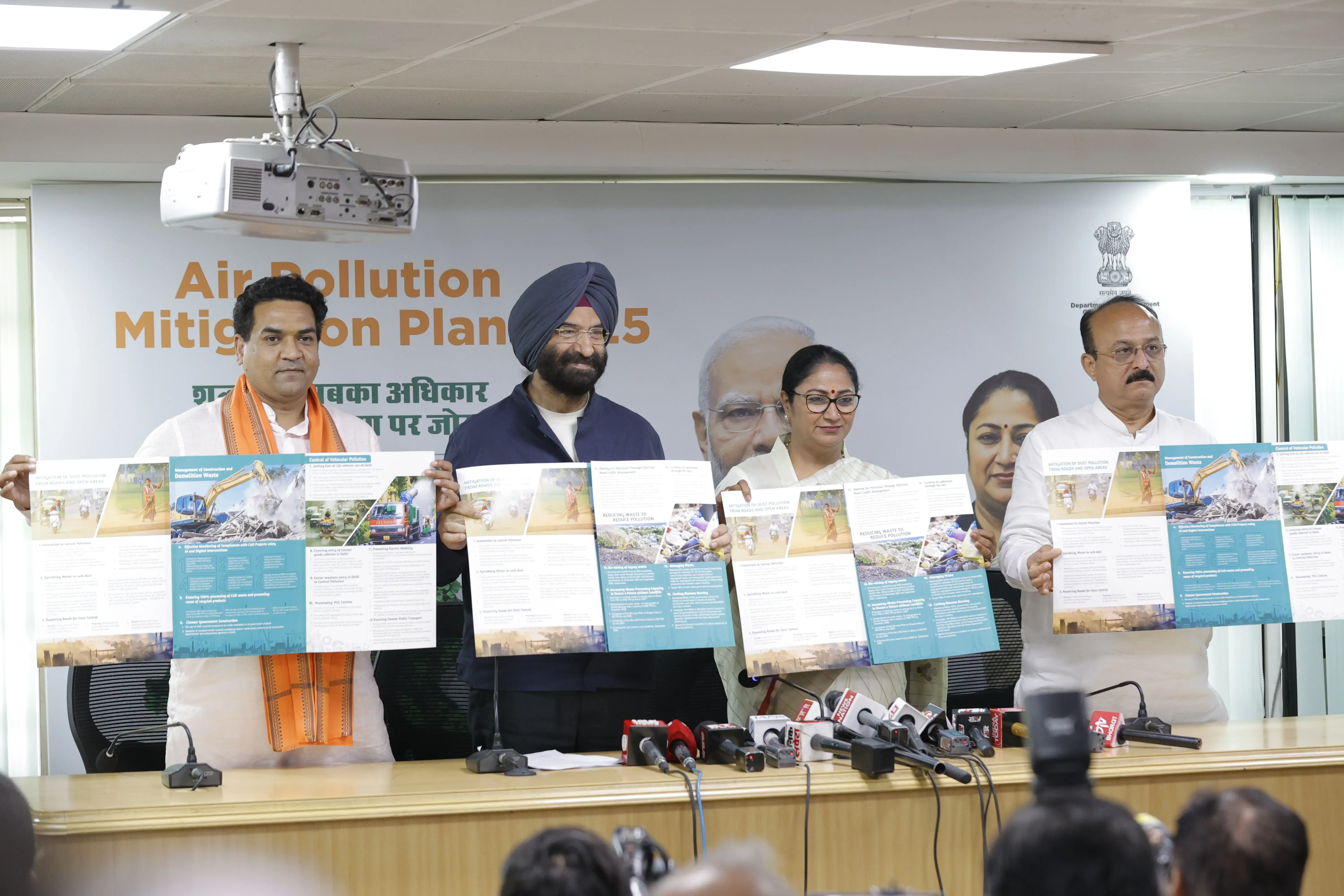
CM Rekha Gupta has launched the Air Pollution Control Plan 2025, a targeted strategy centred on reducing dust pollution and vehicular emissions—the two major contributors to Delhi’s deteriorating air quality. The plan introduces a series of innovative and technology-driven measures, including enhanced road dust suppression, stricter compliance for construction sites, improved traffic management, and the promotion of electric mobility. It also strengthens monitoring through real-time air quality systems and coordinated action by multiple departments. The initiative aims to deliver measurable improvements in air quality, protect public health, and accelerate Delhi’s transition towards a cleaner, more sustainable urban environment.
Read More...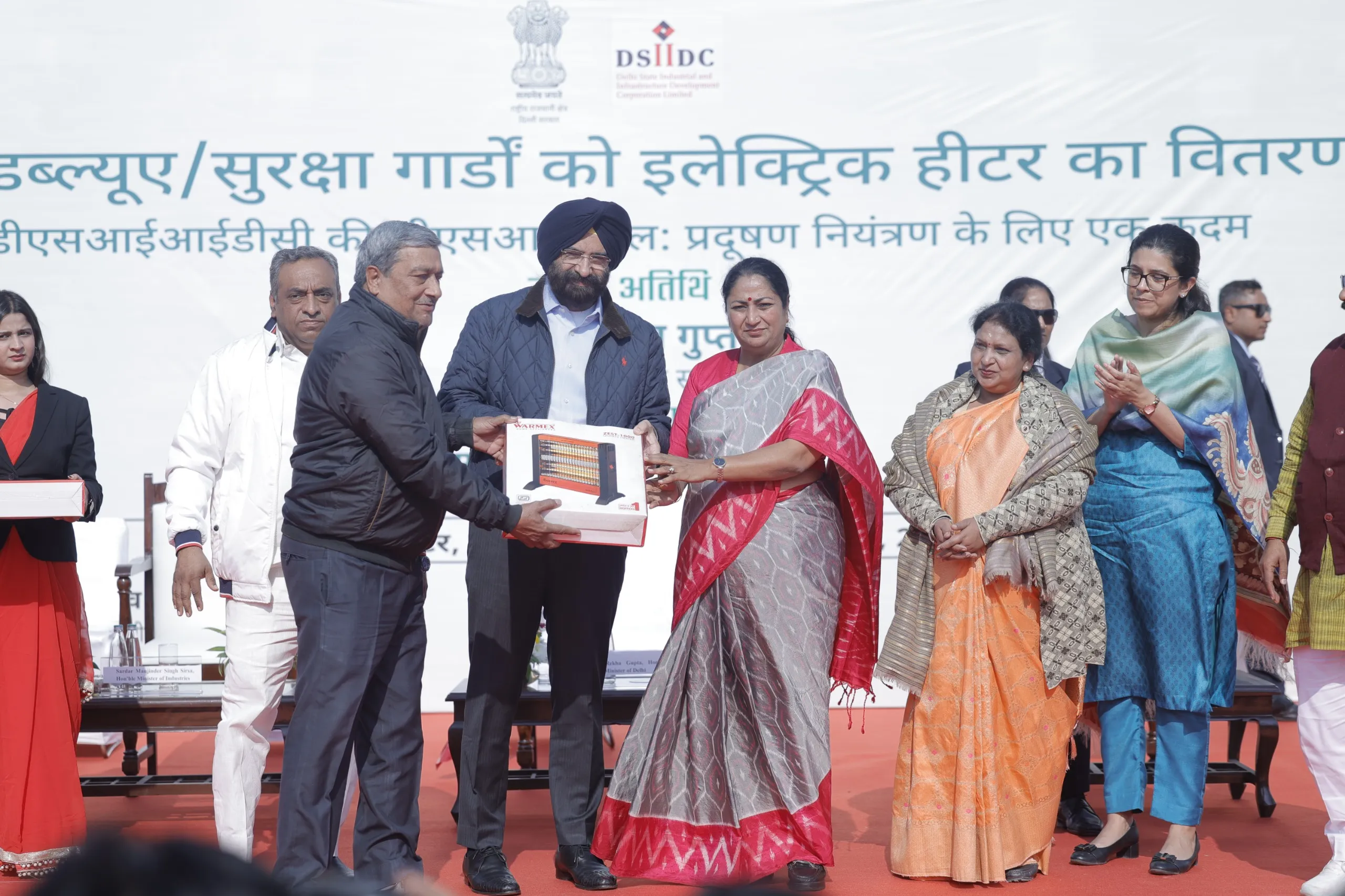
The Delhi Government has finalized comprehensive arrangements to protect homeless and vulnerable citizens during winter. Hospitals have been ensured to face no shortage of blankets or essential winter supplies, and departments are taking measures to safeguard schoolchildren from severe cold. Proper winter facilities have been provided in Anganwadis, childcare centers, and government buildings. Currently, 197 permanent night shelters and 204 of the planned 250 temporary shelters are operational, offering a combined capacity of 18,000. The Delhi Government is committed to ensuring that no citizen is left to endure winter without protection.
Read More...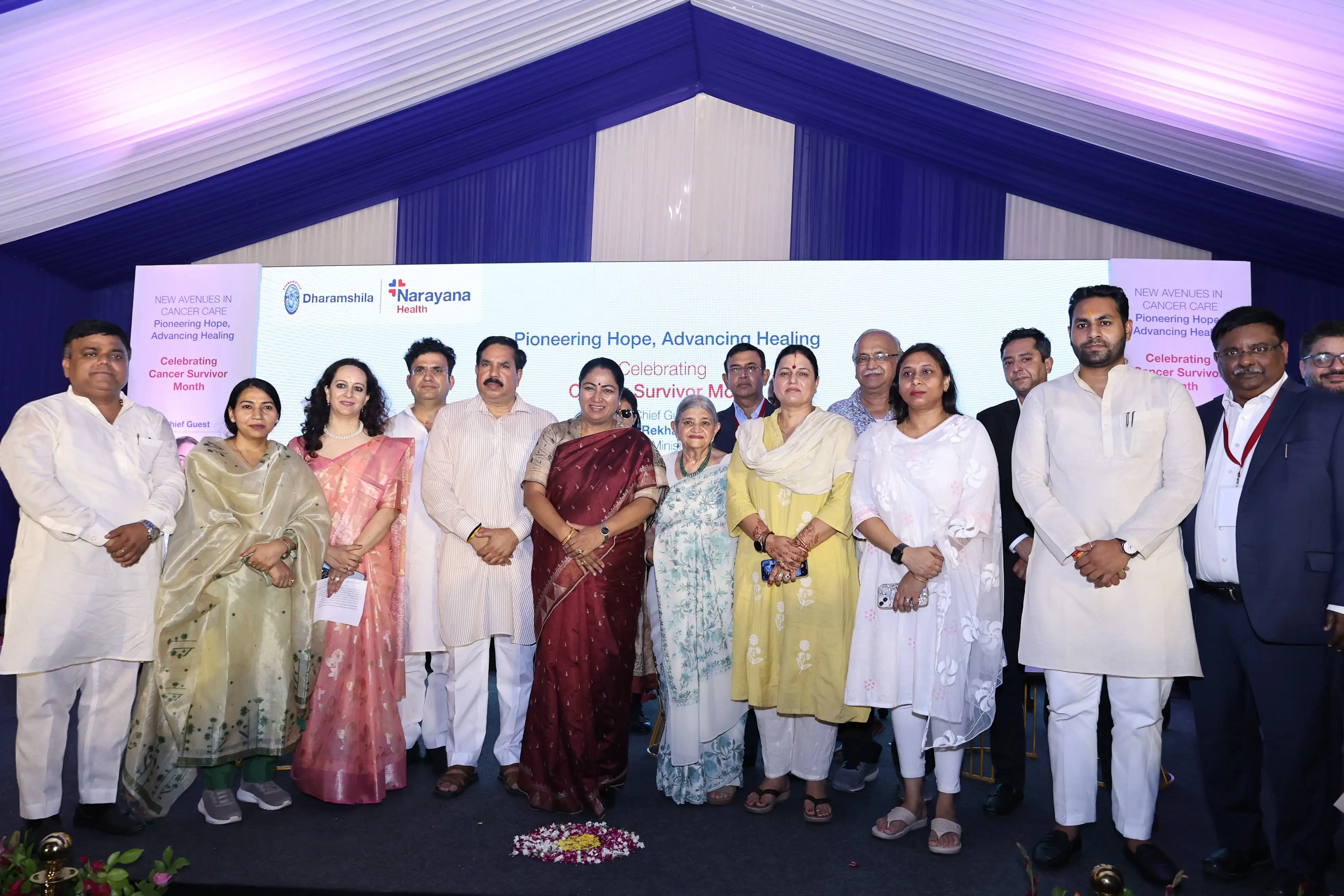
CM Rekha Gupta inaugurated an advanced 3D Mammography Unit at Dharamshila Narayana Superspeciality Hospital, marking an important advancement in Delhi’s women’s health infrastructure. The state-of-the-art technology enhances the accuracy of breast cancer screening by enabling early and precise detection, which is crucial for timely and effective treatment. The new unit will significantly improve diagnostic outcomes, especially for women with dense breast tissue, and reduce the chances of delayed diagnosis. This initiative reflects the government’s commitment to expanding access to modern medical technology and strengthening preventive healthcare, ensuring better protection and improved long-term health outcomes for women across the capital.
Read More...
Under the leadership of CM Rekha Gupta, the Delhi Government has launched the Tourism & Heritage Fellowship to strengthen youth engagement in promoting the city’s cultural richness. Under the programme, 40 young professionals will receive a monthly stipend of ₹50,000 for one year, enabling them to work closely on projects related to tourism development, heritage conservation, and cultural storytelling. The fellowship aims to build a new generation of ambassadors for Delhi’s history, monuments, festivals, and local experiences. By integrating youth into policy-driven initiatives, the government seeks to enhance tourism visibility, preserve heritage assets, and boost Delhi’s cultural vibrancy in a structured, professional manner.
Read More...
The Delhi government has introduced the Delhi Mitra app as a single, integrated platform for registering public grievances. Citizens can file complaints related to government departments, the police, municipal bodies, and other agencies through the mobile app, web portal, WhatsApp, or the call centre. The system promotes transparency by offering real-time SMS updates and a three-tier review mechanism for escalations. In addition, grievance officers will meet the public every Wednesday without prior appointments. The initiative reflects the government’s commitment to efficient service delivery and to strengthening ease of living for residents across the capital.
Read More...
The Delhi government has launched the city’s first pilot project to underground electricity lines in Shalimar Bagh, initiated by Chief Minister Rekha Gupta with an investment of ₹8.07 crore. The project includes the installation of a 10-km underground cable network to replace existing overhead wires across the locality. Shifting to underground infrastructure is intended to improve power supply safety and reliability, minimise accidents and technical faults, and contribute to a cleaner urban environment. This initiative marks an important step towards creating a modern, efficient, and resilient electricity distribution system for Delhi, aligned with the government’s broader focus on upgraded civic infrastructure.
Read More...
The Delhi government has introduced wide-ranging reforms to streamline licensing and improve the business environment. Police licences for hotels, guest houses, parlours, swimming pools, auditoriums, amusement parks, and eateries have been removed, benefiting over 25,000 establishments and 15–20 lakh workers, with licensing now handled by MCD, NDMC, and DCB. Factories in recognised industrial areas are exempt from separate MCD licences. Green Category industries will receive deemed Consent to Operate within 20 days, down from 120 days. A Traders Welfare Board has been established to address market issues, benefitting 8 lakh registered traders. Pending GST refunds have also been cleared to support business liquidity.
Read More...
CM Rekha Gupta is strengthening Delhi’s cultural fabric by celebrating the city’s diversity in the spirit of Ek Bharat Shreshtha Bharat. The government supported the creation of more than 1,000 Chhath ghats, including 17 model ghats, and withdrew FIRs registered against devotees. Delhi hosted its first Deepotsav at Kartavya Path with 1.50 lakh diyas and a drone show. Significant support was extended for Durga Puja celebrations, Ganesh Chaturthi through artificial immersion ponds, and Kanwar Yatra arrangements. A grand commemoration of the 350th martyrdom day of Sri Guru Tegh Bahadur Saheb Ji was held at the Red Fort, with November 25, 2025, declared a public holiday.
Read More...
On the occasion of Prime Minister Modi’s birthday, the Delhi Government launched Seva Pakhwada to empower key cohorts, including women, the elderly, people with disabilities, among many others, in the true spirit of service. The 502 Palna Anganwadi-cum-Crèche Centres offer safe childcare to working women, while the Atal Asha Home and Atal Drishti Home provide essential care for the elderly and visually impaired. The Old Age Financial Assistance Scheme was expanded, and the Organ Transplant/Awareness Portal was launched to improve healthcare access. These initiatives reflect the government’s commitment to dignity, security, and health for vulnerable communities.
Read More...
CM Rekha Gupta inaugurated the Narela Bus Depot, completed within just 90 days, to strengthen Delhi’s public transport network. Built on approximately 4,000 square metres at a cost of ₹2.63 crore, the depot includes three dedicated bus bays and two high-tech sheds measuring 34 and 40 metres. Facilities such as staff and passenger canteens, medical rooms, an RO water plant, a pantry, and EV charging stations have also been provided. The depot can operate 75 buses, primarily electric, across nine major routes connecting areas including Old Delhi Railway Station, Mori Gate, Delhi Secretariat, Uttam Nagar, and nearby border regions.
Read More...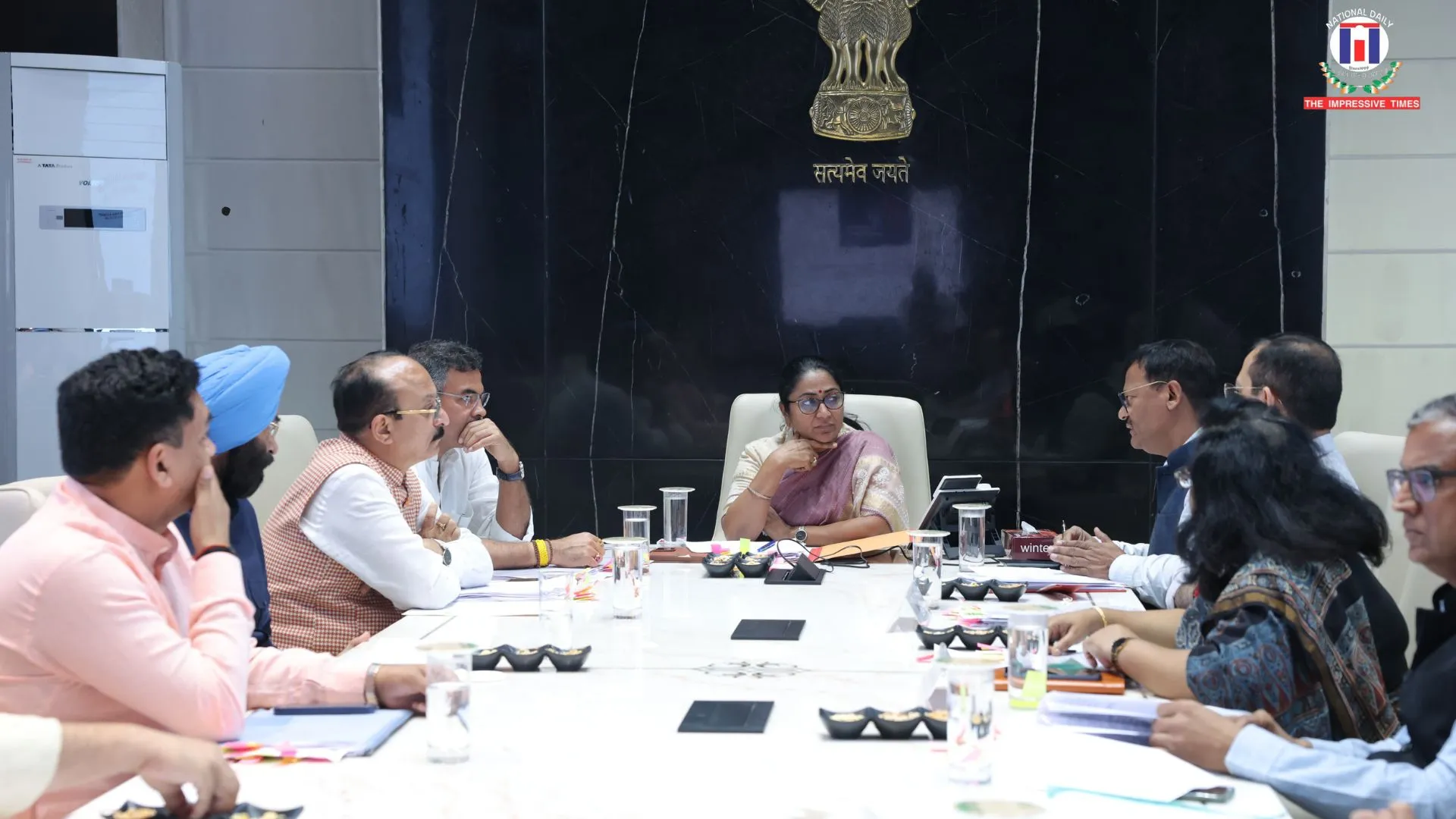
CM Rekha Gupta has launched the “Hauslon Ki Udaan – Uplift of Aspiration” scheme to support skill and talent development for five million young people in Delhi, with a particular focus on those from underprivileged backgrounds. The initiative aims to provide training, mentorship, and access to emerging opportunities, enabling youth to build confidence and achieve self-reliance. Through structured programmes and partnerships with educational and training institutions, the scheme seeks to enhance employability and nurture individual talent. By expanding avenues for growth, it aligns with the government’s broader commitment to youth empowerment and inclusive development across the capital.
Read More...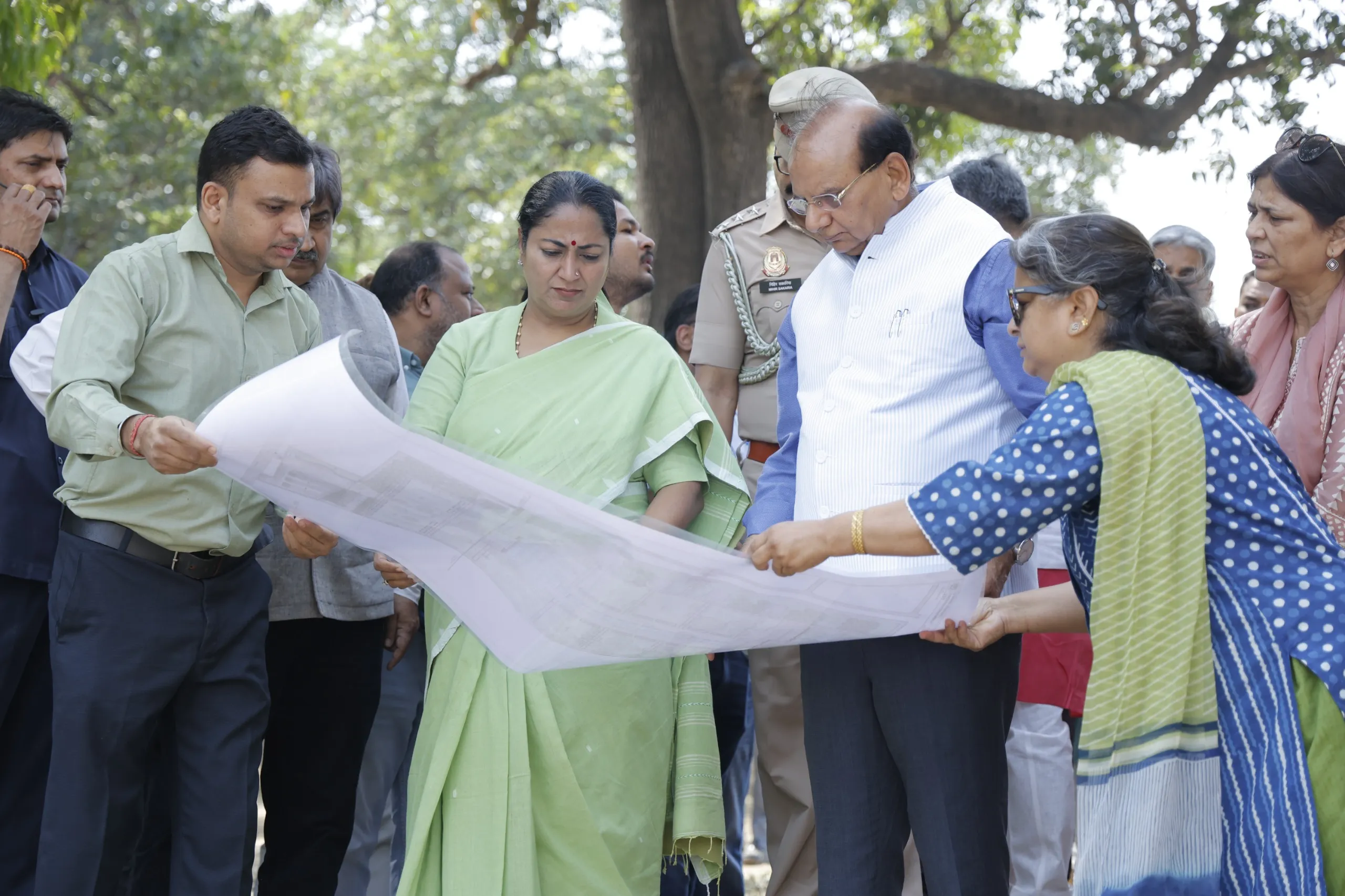
CM Minister Rekha Gupta has announced a ₹9,000 crore plan to strengthen Delhi’s water and sanitation infrastructure and support the rejuvenation of the Yamuna River. The allocation focuses on improving water supply systems, upgrading sewerage networks, and expanding sanitation facilities to ensure clean and safe water for residents. A significant share of the plan is dedicated to cleaning and restoring the Yamuna, increasing treatment capacity, and improving wastewater management. The investment also aims to enhance water security and build greater urban resilience by modernising critical infrastructure across the city.
Read More...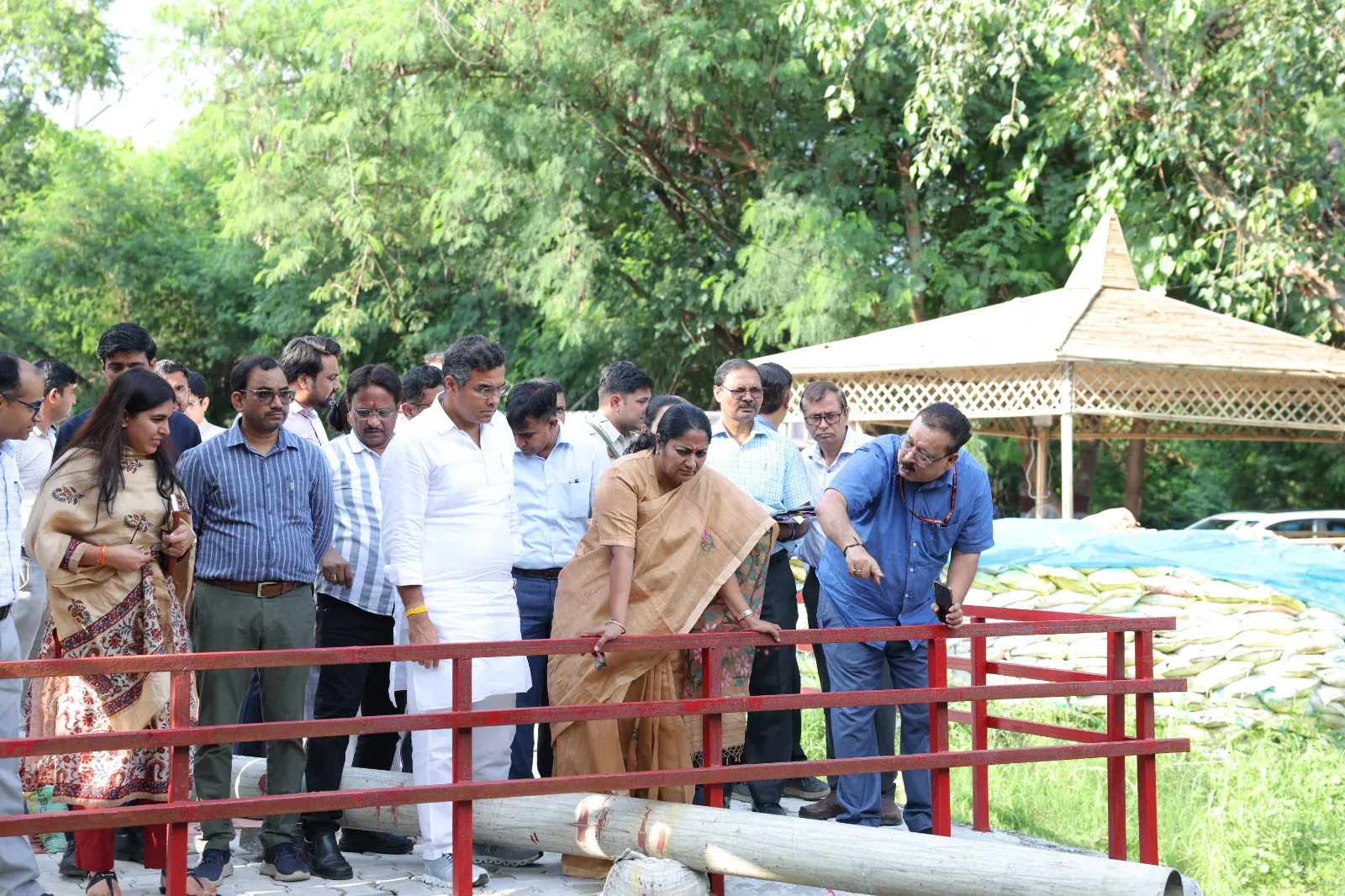
Under the leadership of CM Rekha Gupta, the Delhi Government has introduced a 45-point action plan to strengthen the city’s water and sanitation systems and accelerate the rejuvenation of the Yamuna River. The plan includes expanding and modernising water infrastructure, upgrading the sewerage network, and improving the efficiency and transparency of tanker services. A central focus is on enhancing wastewater treatment capacity to reduce pollution entering the river. Together, these measures aim to provide a more reliable water supply, improve sanitation, and ensure long-term environmental sustainability through a cleaner and healthier Yamuna.
Read More...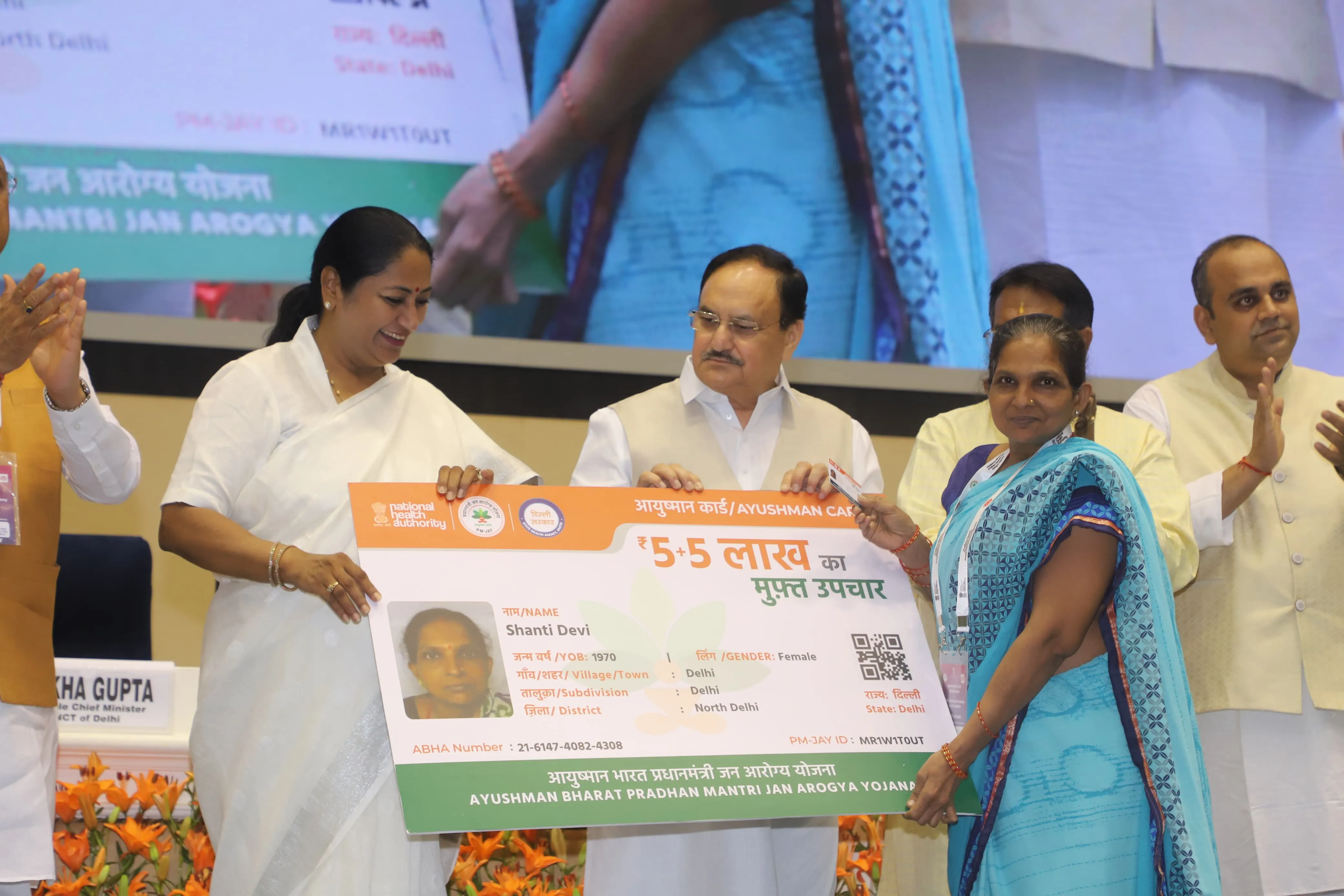
Under the leadership of HCM Rekha Gupta, Delhi has expanded health protection through Ayushman Bharat, launched in April 2025 with enhanced coverage of up to ₹10 lakh per family, enabled by a ₹5 lakh Delhi Government top-up. This ensures affordable and accessible secondary and tertiary care for lakhs of families, with 6.2 lakh beneficiaries already covered. Further strengthening social security, the Ayushman Vaya Vandana Yojana provides free treatment up to ₹10 lakh for all Delhi residents aged 70 and above. With over 2.56 lakh senior citizens enrolled, Delhi is ensuring dignified and dependable healthcare for its elderly.
Read More...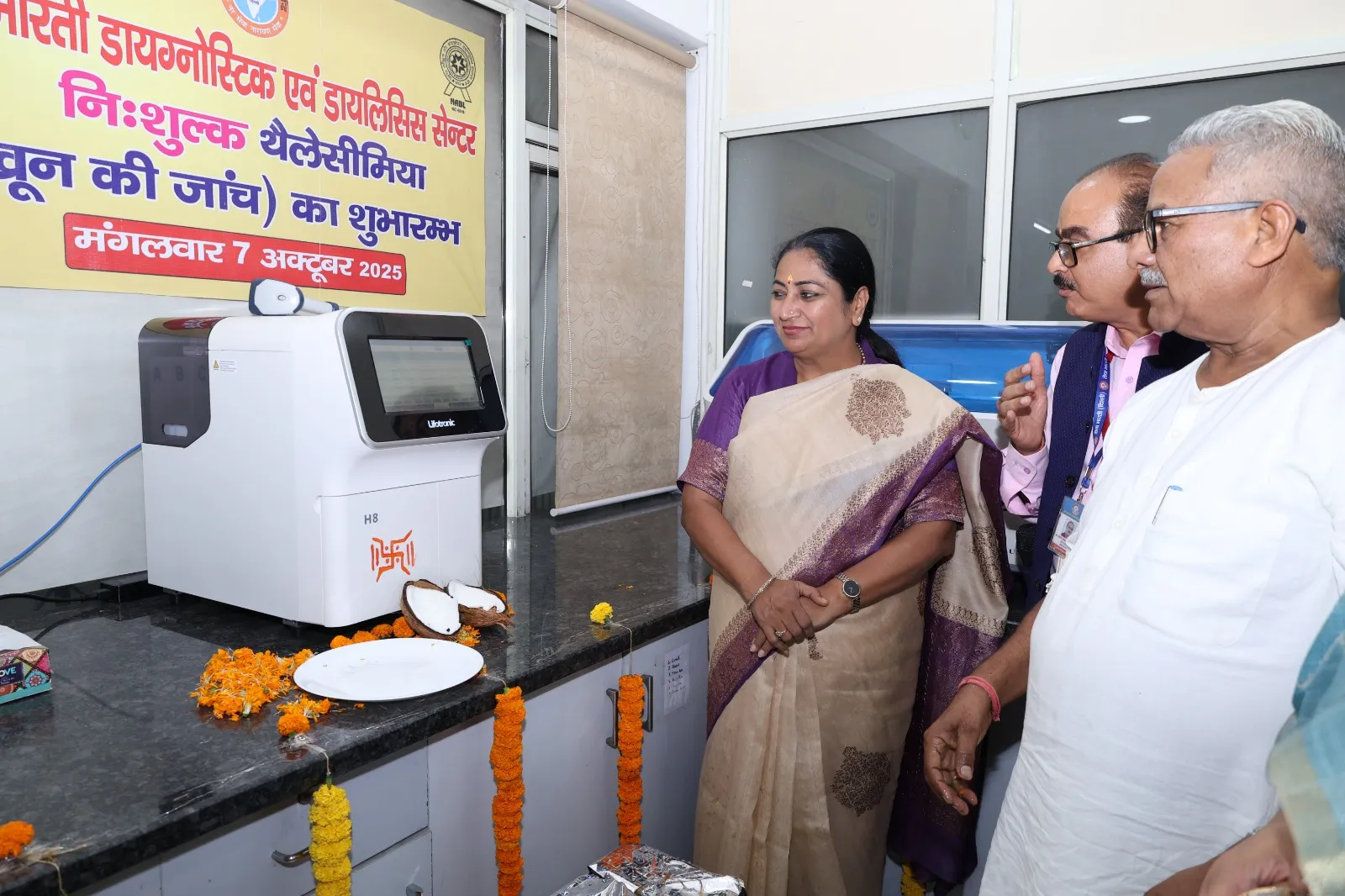
The Delhi Government has expanded its diagnostic infrastructure to improve early detection and timely treatment for critical illnesses. An advanced 3D mammography unit has been installed at Dharamshila Narayana Superspeciality Hospital to enhance the accuracy of breast cancer screening, particularly for women with dense breast tissue, ensuring better protection and improved long-term health outcomes for women. The TB Elimination Mission has been reinforced with 40 Truenat machines, 27 X-ray units, and 11 additional CATS ambulances to support rapid diagnosis and patient outreach. To ease access to essential care, over 450 dialysis machines have been deployed across the city, ensuring subsidised diagnostics and free dialysis at government hospitals.
Read More...
CM Rekha Gupta conducts regular Jan Sunwai sessions, giving citizens a direct platform to raise their grievances and seek immediate assistance. Ensuring timely resolution of people’s concerns is her top priority, and these interactions help bridge the gap between residents and the administration. This citizen-centric approach reinforces transparency, accountability, and responsive governance. CM Rekha Gupta has personally held more than 60 Jan Sunwai sessions so far, with government departments working alongside her to ensure prompt action. The initiative reflects her commitment to listening to citizens and resolving issues quickly, effectively, and with empathy.
Read More...
CM Rekha Gupta has launched the CM Shri Schools initiative to modernise government education and create future-ready learning spaces across Delhi. Announced in the 2025–26 Budget with an allocation of ₹100 crore, 75 schools have been notified as ‘specified category’ institutions. These schools feature AI-based learning tools, advanced science and computer labs, NEP-aligned curriculum, teacher upskilling, and dedicated support for meritorious and differently-abled students. Campuses are being upgraded to be clean, green and student-friendly. A state-of-the-art sports complex with a 200-metre running track has already been inaugurated at the CM Shri School in Hiran Kudna, Outer Delhi.
Read More...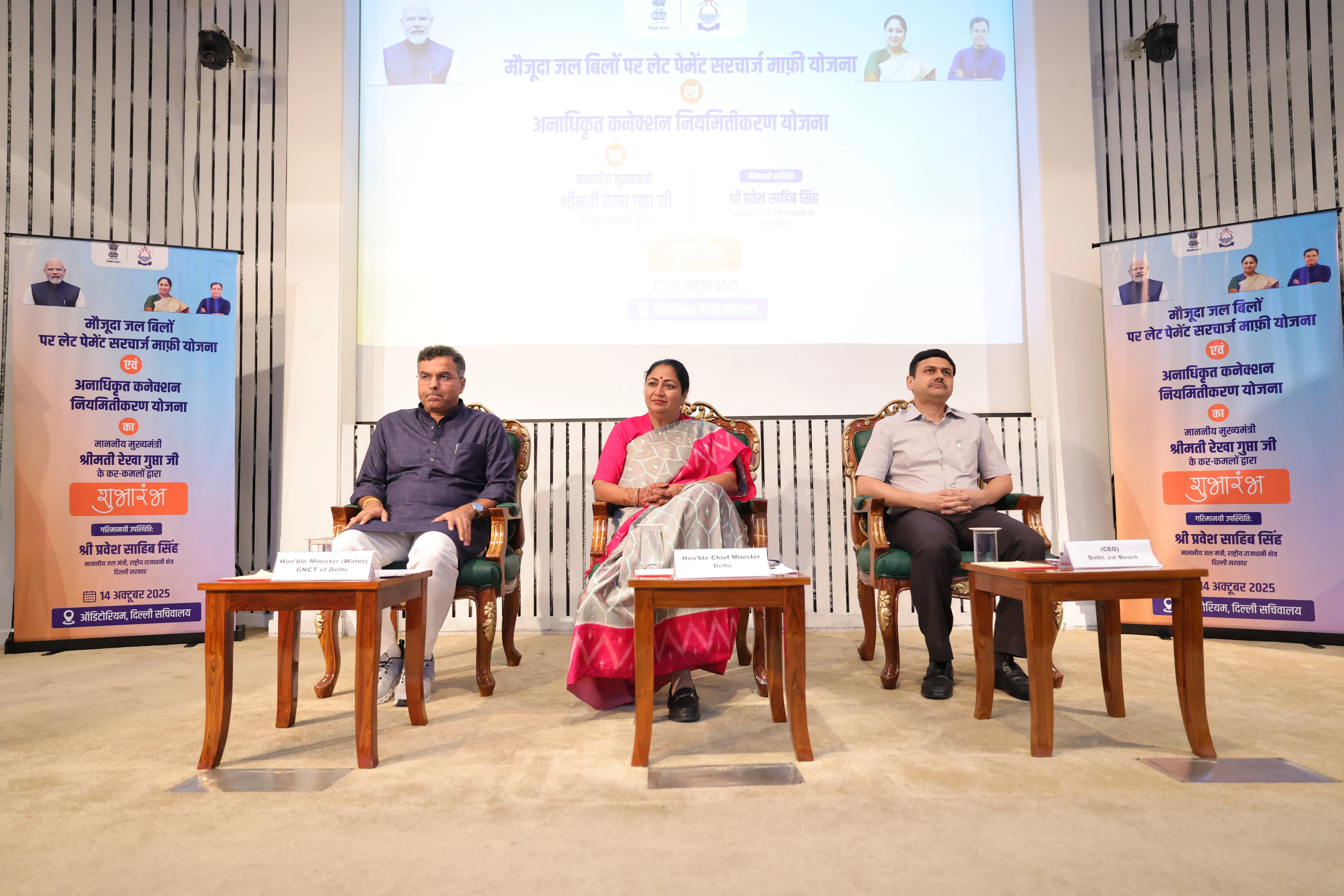
Under the leadership of CM Rekha Gupta, the Delhi Government has introduced a comprehensive Water Bill Amnesty Scheme to provide significant financial relief to households and ensure a fair and transparent water system. The initiative waives old surcharges for domestic consumers, simplifies billing practices, and reduces regularisation charges so that more families can join the formal network. The government is also modernising revenue systems and decentralising operations to improve service delivery and grievance redressal. Together, these reforms aim to make water access more affordable, accountable, and equitable for all residents of Delhi.
Read More...
The Delhi Government has introduced significant measures to enhance financial security and professional dignity across essential sectors. The stipend for nursing interns has been increased from ₹500 to ₹13,150 per month, a 27-fold rise and the first revision in 27 years. In addition, 1,388 nursing officers and 41 paramedical staff have been appointed to strengthen healthcare services across Delhi. Stipends for law researchers have been raised from ₹65,000 to ₹80,000, with more researcher positions created to support judicial work. Minimum wages for unskilled, semi-skilled, skilled, and graduate-level employees have also been revised, benefiting over 40 lakh workers in the capital.
Read More...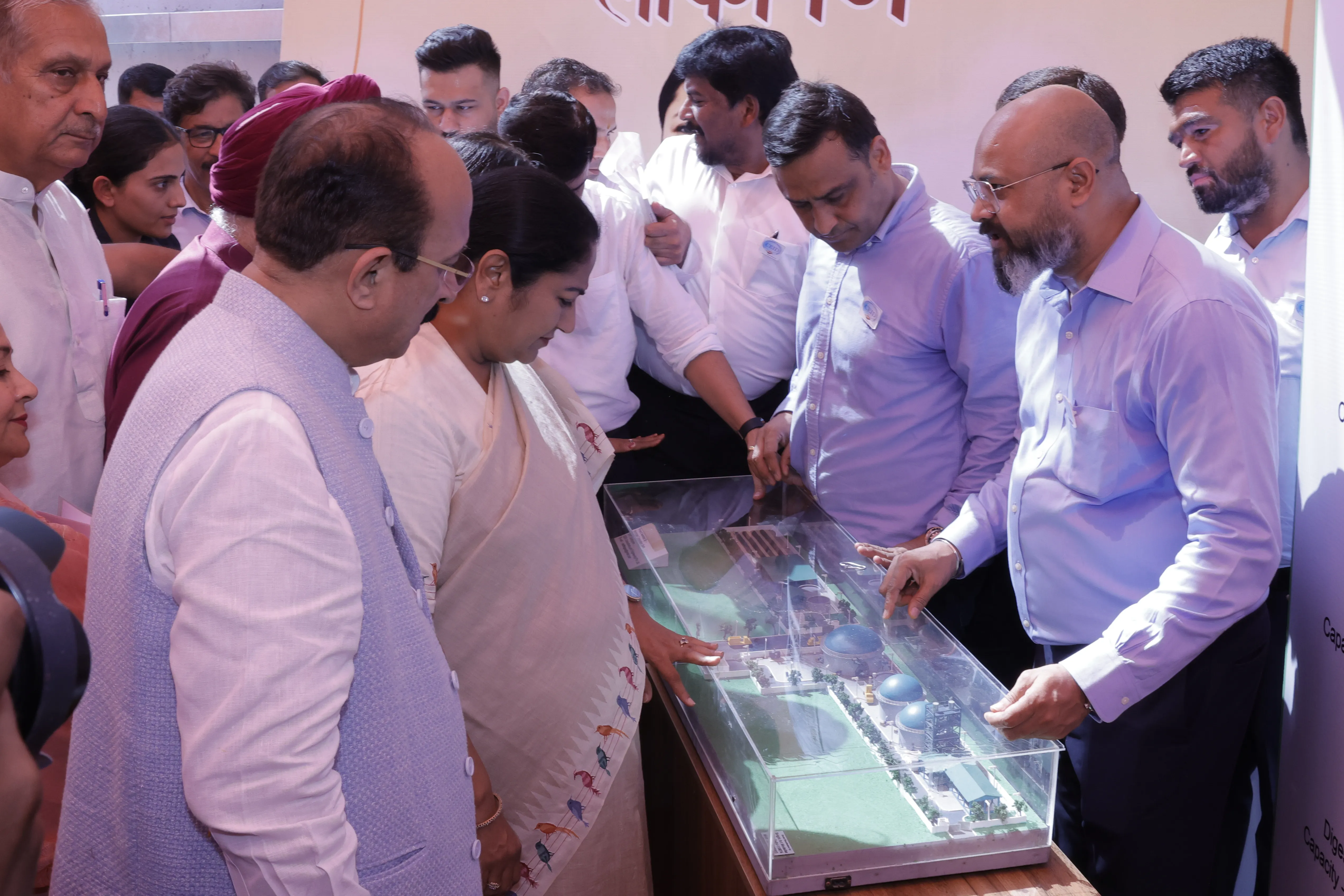
The Delhi Government has inaugurated 19 key projects worth ₹1,816 crore, dedicated to cleaning and rejuvenating the Yamuna. Among these initiatives, the expansion of the Okhla Waste-to-Energy Plant will increase solid waste processing capacity and power generation. Additionally, biogas plants like the Nangli-Sakrawati Compressed Biogas Plant and the Ghogha Dairy Biogas Plant are key steps toward converting organic waste into valuable resources such as bio-CNG and organic fertilizers. These efforts reflect Delhi’s commitment to sustainable development, clean energy, and advanced waste management technologies, supporting the city’s environmental goals and waste-to-wealth vision.
Read More...
The Seva Pakhwada also marked a milestone in urban development with the launch of major infrastructure projects. The New Drainage Master Plan, with ₹57,000 crore investment, aims to address waterlogging issues in key areas. The Multi-Storey Electric Bus Depot and Nand Nagri Flyover will improve urban mobility. Biogas plants like Nangli-Sakrawati and Ghogha Dairy aim to convert waste into clean energy. The expansion of the electric vehicle fleet, multilevel parking projects at Punjabi Bagh, and solar rooftop initiatives reflect the government’s vision for a greener, smarter, and more sustainable Delhi.
Read More...