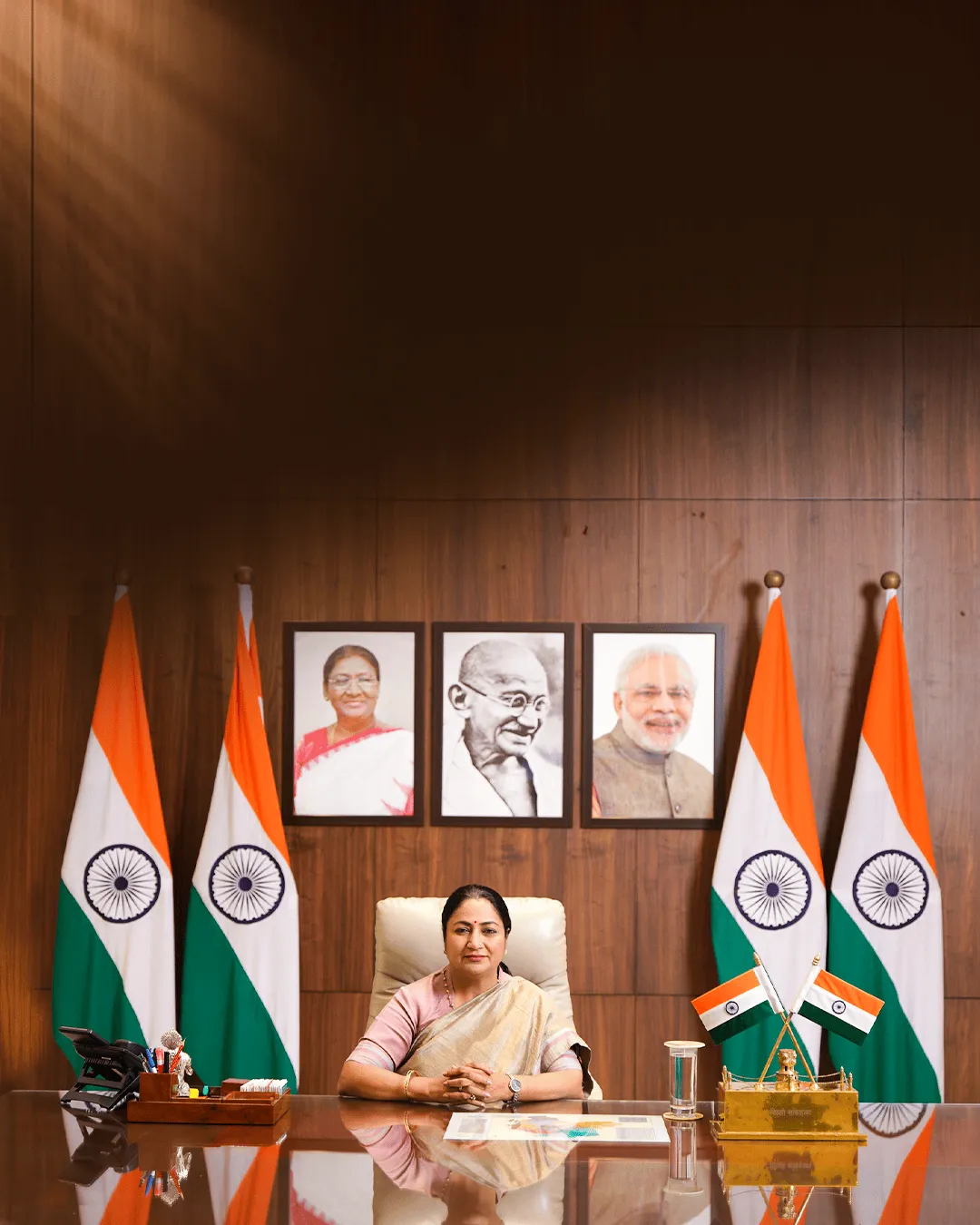


Progressive Leadership, Dedication to Public Service
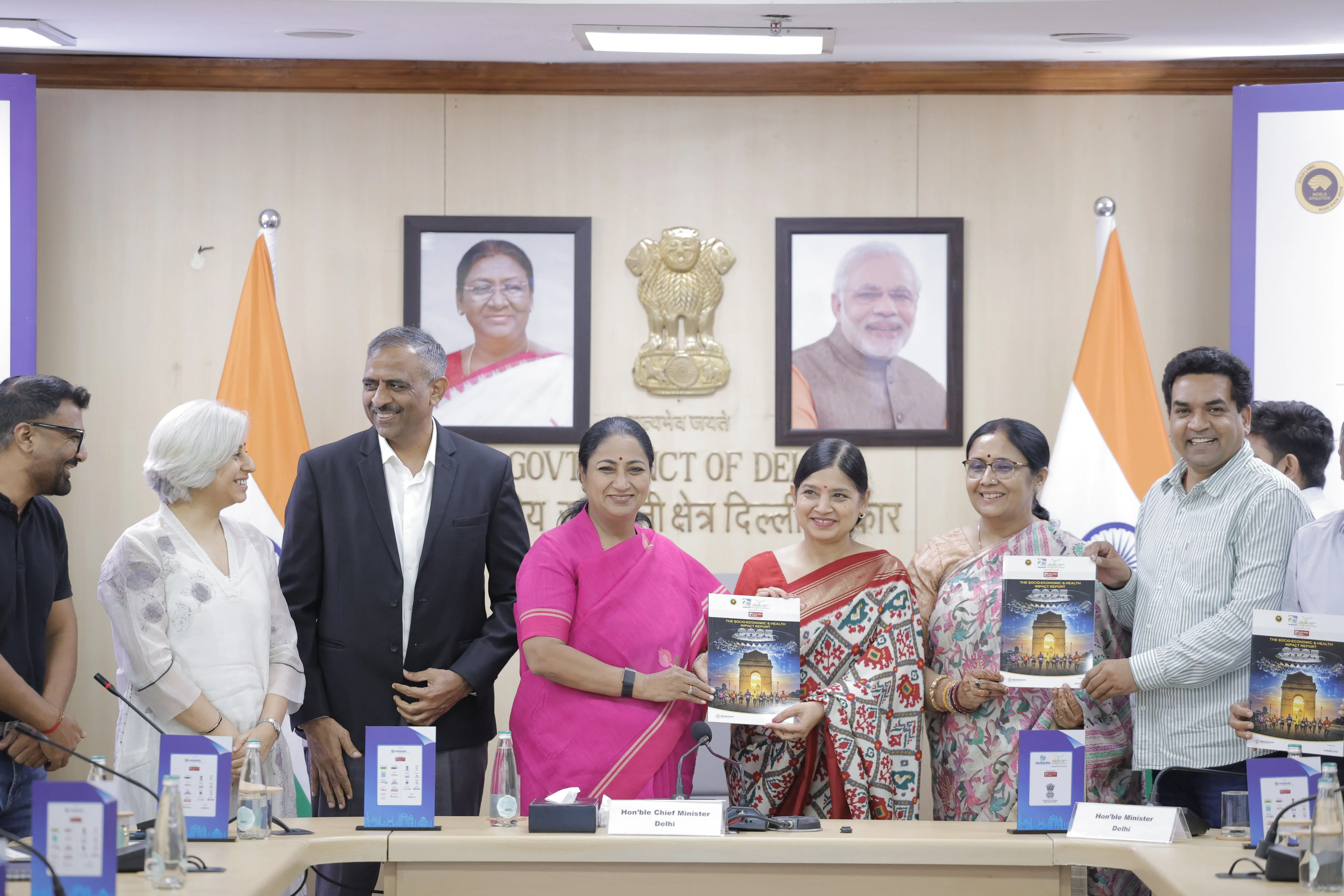
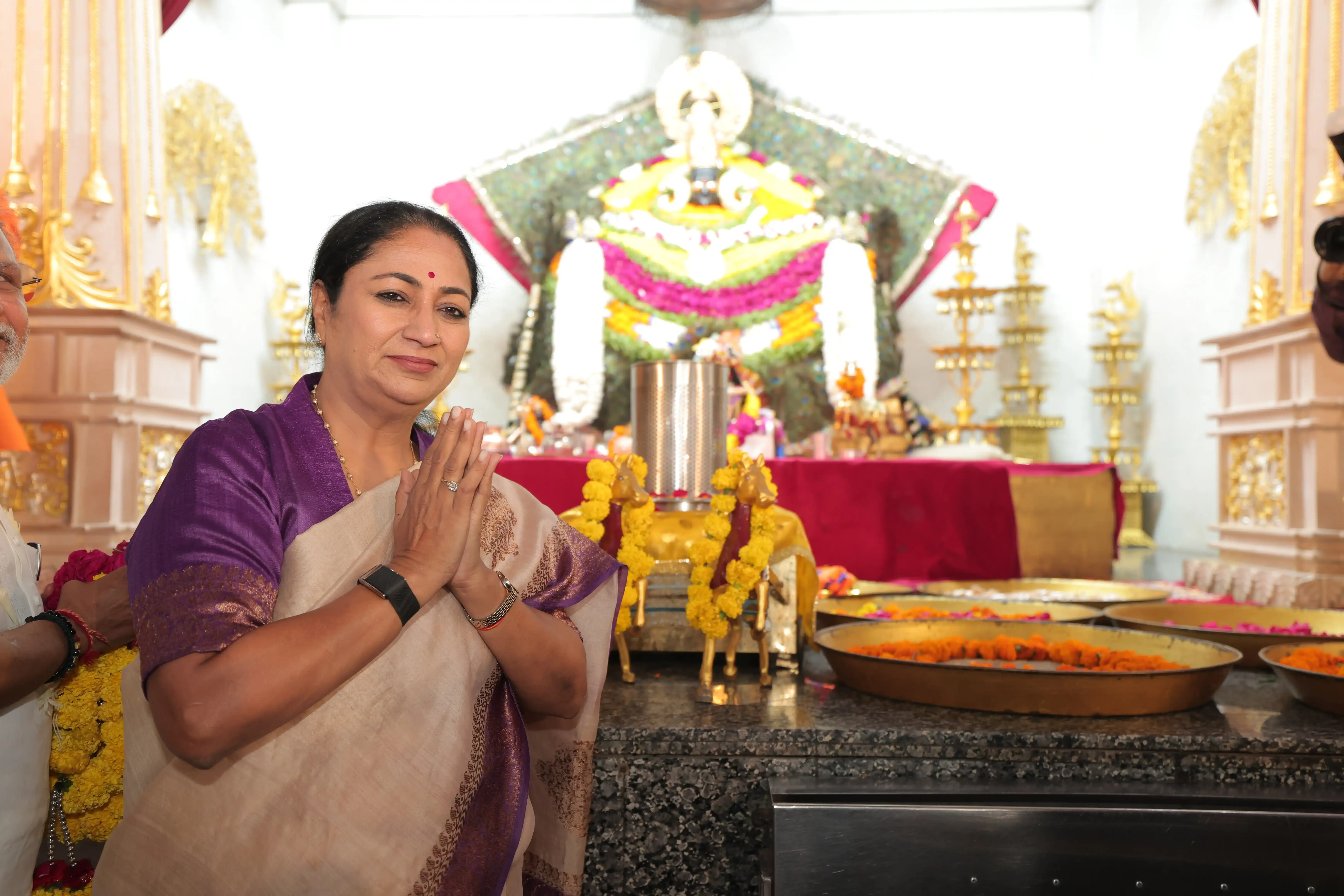
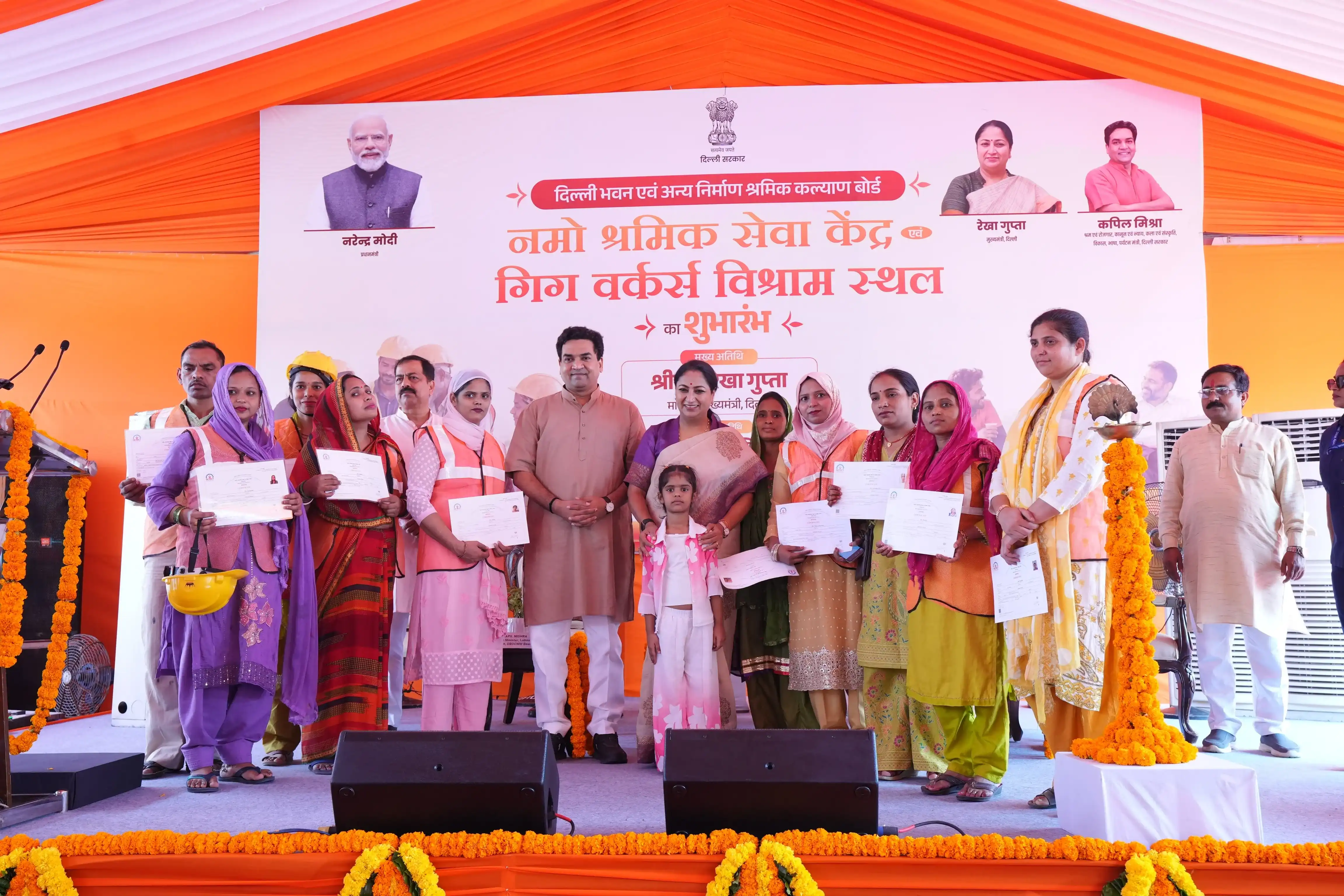
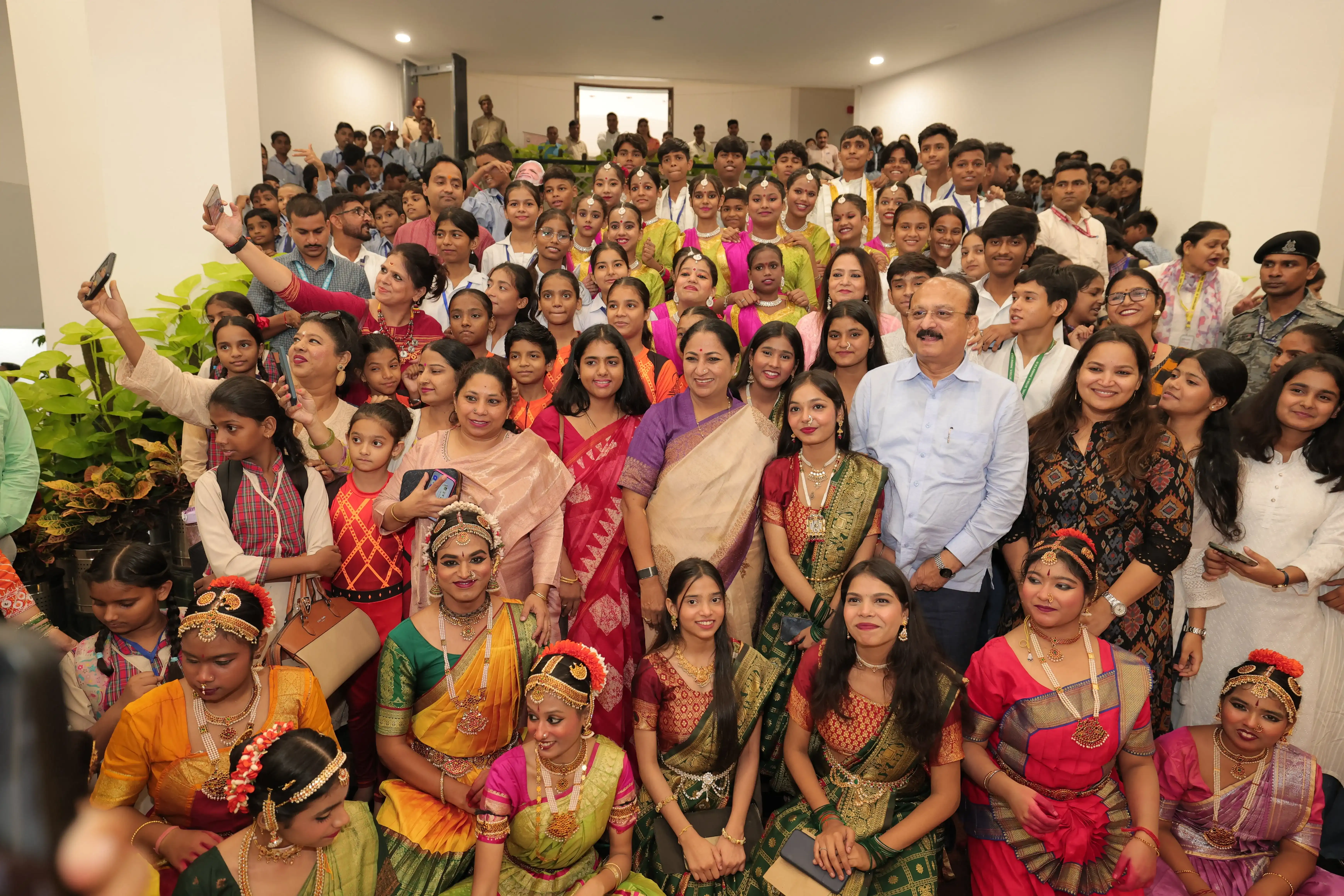
Rekha Gupta is currently serving as the 9th Chief Minister of Delhi, the capital of the country. Her tenure marks a historic moment, as it signifies the Bharatiya Janata Party’s return to power in the national capital after nearly three decades. Her elevation to this position represents the culmination of more than three decades of unwavering commitment to public service and dedicated political engagement at the grassroots, municipal, and state levels.
Continue Reading
Union Home Minister and Minister of Cooperation Shri Amit Shah Inaugurates and Lays Foundation Stones for Yamuna Rejuvenation Projects Worth ₹8,941 Crore; Targets Clean Yamuna by 2029
Union Home Minister and Minister of Cooperation Shri Amit Shah attended the inauguration and foundation-stone laying ceremony of Yamuna rejuvenation projects worth ₹8,941 crore in Delhi, with Lieutenant Governor Sardar Taranjit Singh Sandhu and Chief Minister Smt. Rekha Gupta present alongside other dignitaries. Ten projects were inaugurated and 33 initiated, covering STP upgradation, new STP installation, decentralised STP pumping stations, household sewer connections, sewer rehabilitation and drainage work — with a target of making the Yamuna clean by May 2029. Amit Shah said PM Narendra Modi, as soon as the Delhi government was formed, placed his vision of purifying the Yamuna before the Delhi Government and the Ministry of Home Affairs — with more than 40% of the action plan already completed. He said previous governments for 30 years allowed Delhi’s sewage to be discharged into the Yamuna and dumped 2,000 tonnes of cow dung from dairies into the river daily. Under the present four-state coordination between the Centre, Delhi, Haryana and Uttar Pradesh, a time-bound roadmap has been prepared to clean the Yamuna by 2029. The Home Minister said the Rekha Gupta Government, with the help of the Modi Government, has cleared 2.17 crore metric tonnes of garbage, freed 100 acres of land from waste, and reduced the garbage mountains at Okhla and Bhalswa by 30-40 metres and Ghazipur by 10-15 metres. He reaffirmed that in two years, gardens will come up in place of garbage mountains — and a three-year action plan is in place to provide sewerage connections to every household and ensure pure drinking water reaches every Delhi home.
Read More...
CM Rekha Gupta Inaugurates ₹16 Crore Biogas Plant at Goyla Dairy; 200 Metric Tonnes of Cow Dung to Be Processed Daily to Protect Yamuna
Delhi Chief Minister Smt. Rekha Gupta on Monday inaugurated a biogas plant with a capacity to process 200 metric tonnes of cow dung daily at Goyla Dairy, Najafgarh, built at a cost of ₹16 crore by MCD — generating around 14,000 cubic metres of raw biogas and approximately 5.6 tonnes of purified compressed biogas daily to be supplied to Indraprastha Gas Limited through a pipeline, with biogas slurry used as organic fertiliser. CM Rekha Gupta said previous governments left the problem of cow dung management unresolved for years, with no biogas plant set up in Delhi. The present government has made three plants operational in 18 months with six more underway. The Nangli Sakrawati plant alone used 55,000 tonnes of cow dung in one year, paying farmers ₹3.5 crore. Livestock owners at Goyla Dairy will receive 67 paise per kilogram for cow dung collected — turning a disposal burden into an economic opportunity. ₹50 crore has also been allocated to construct drains and improve drainage in Delhi’s dairy colonies. The Chief Minister said tackling pollution at its source is essential to cleaning the Yamuna — with cow dung flowing into drains and reaching the river being a key contributor to its pollution. Cabinet Minister Ashish Sood said previous governments shifted dairies but failed to ensure scientific cow dung disposal, while the present government under CM Rekha Gupta is delivering concrete action and results in line with PM Modi’s ‘Waste to Wealth’ vision.
Read More...
Delhi Cabinet Approves Go-Delhi Foundation with ₹50 Crore Commitment to Empower Startups, Young Innovators and MSMEs
The Delhi Cabinet, chaired by Chief Minister Smt. Rekha Gupta, approved the establishment of the Go-Delhi Foundation with an initial budget of ₹50 crore a not-for-profit company under Section 8 of the Companies Act functioning under the Department of Industries to provide Delhi’s startups, researchers, students and MSMEs with integrated support from idea to market-ready product. The foundation will give entrepreneurs access to product engineering, prototyping, laboratories, testing facilities, technical guidance, mentorship, incubation, certification support and investor connections reducing dependence on scattered facilities and creating a single platform for Delhi’s nearly 21,000 DPIIT-recognised startups. Students and researchers will receive support for intellectual property rights, prototyping and industry connections to bring innovations out of laboratories and into commercial use. CM Rekha Gupta said government departments will also be able to bring real-world challenges to Delhi’s innovators through the foundation, with successful pilot solutions taken forward for adoption strengthening collaboration among government, industry, educational institutions and innovators. The hub-and-spoke model will leverage existing infrastructure across Delhi to expand the reach of innovation and entrepreneurship support citywide.
Read More...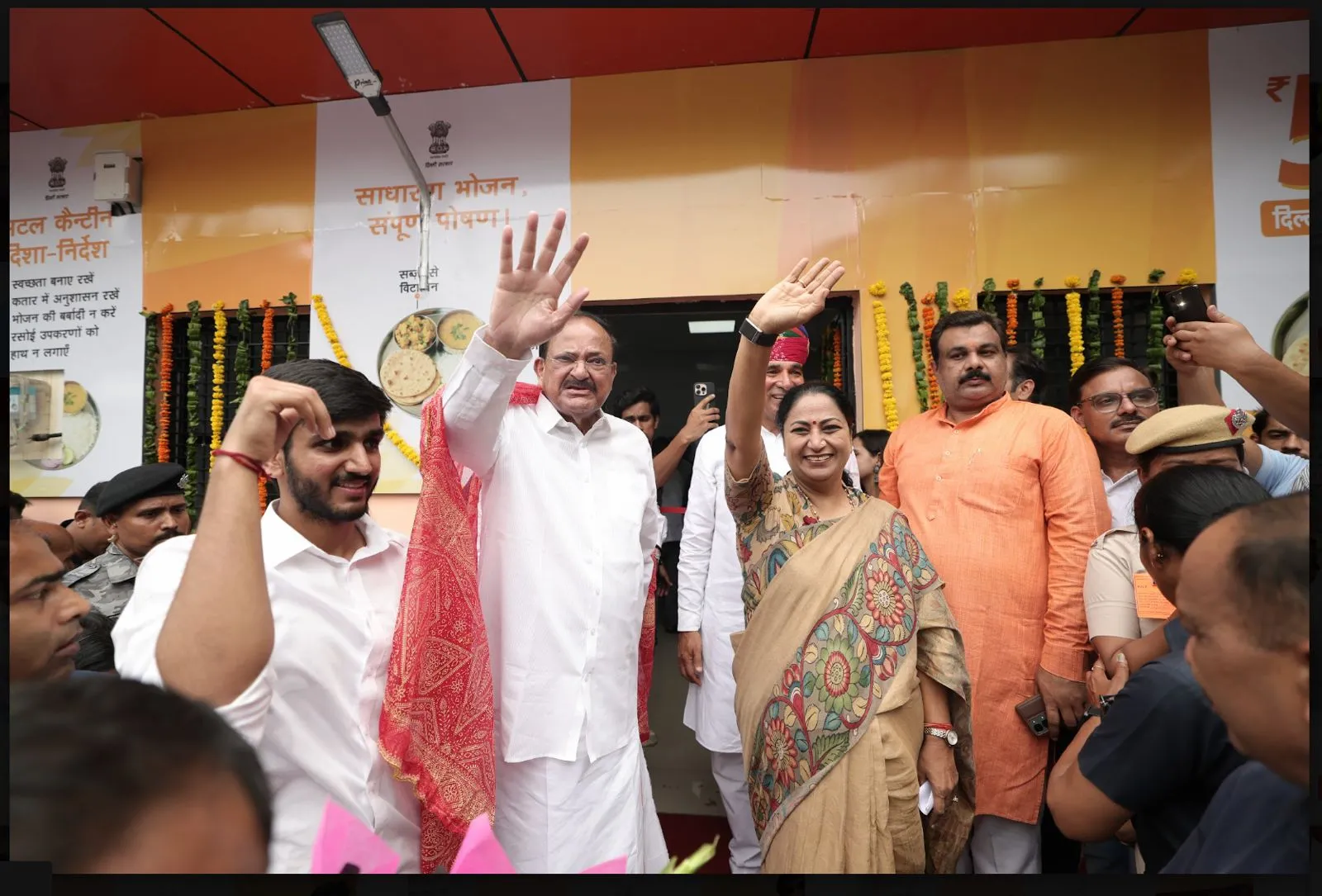
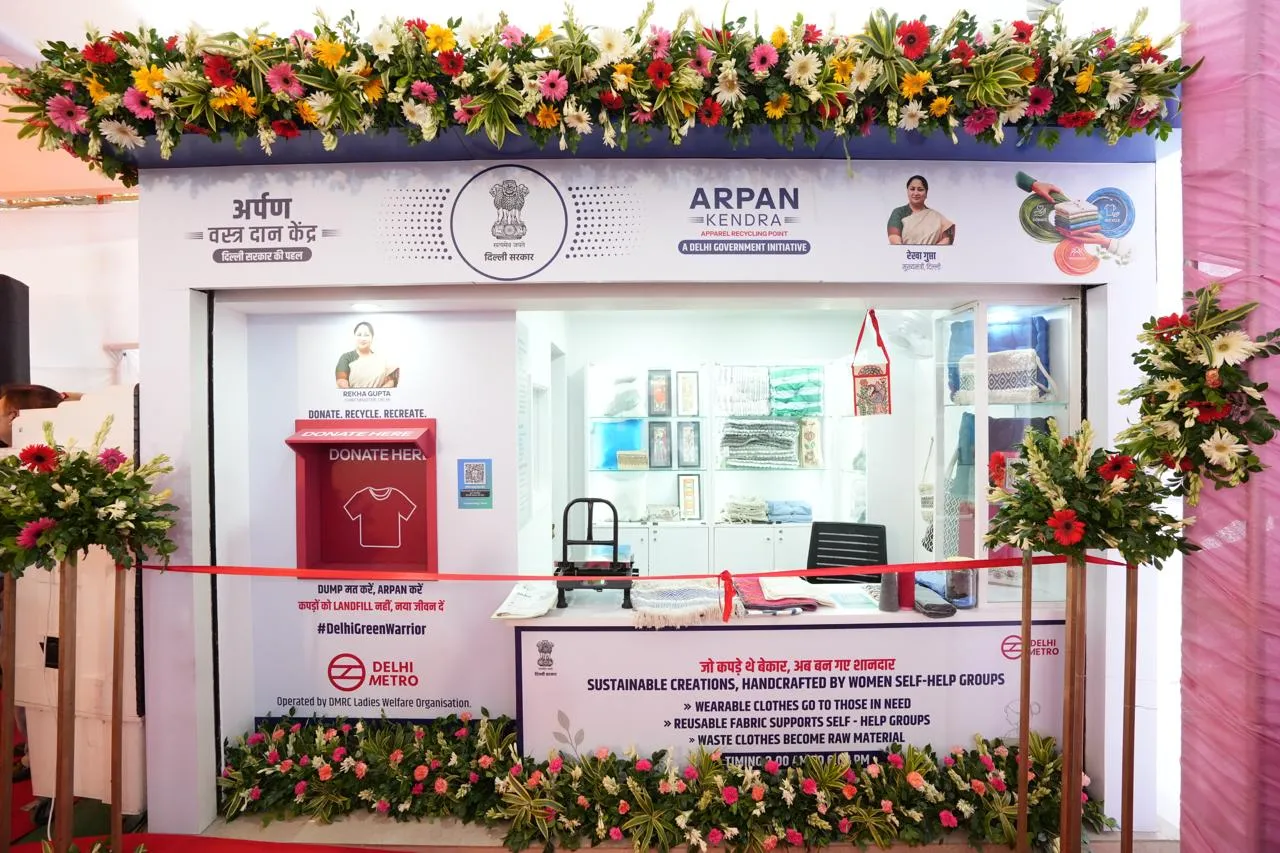
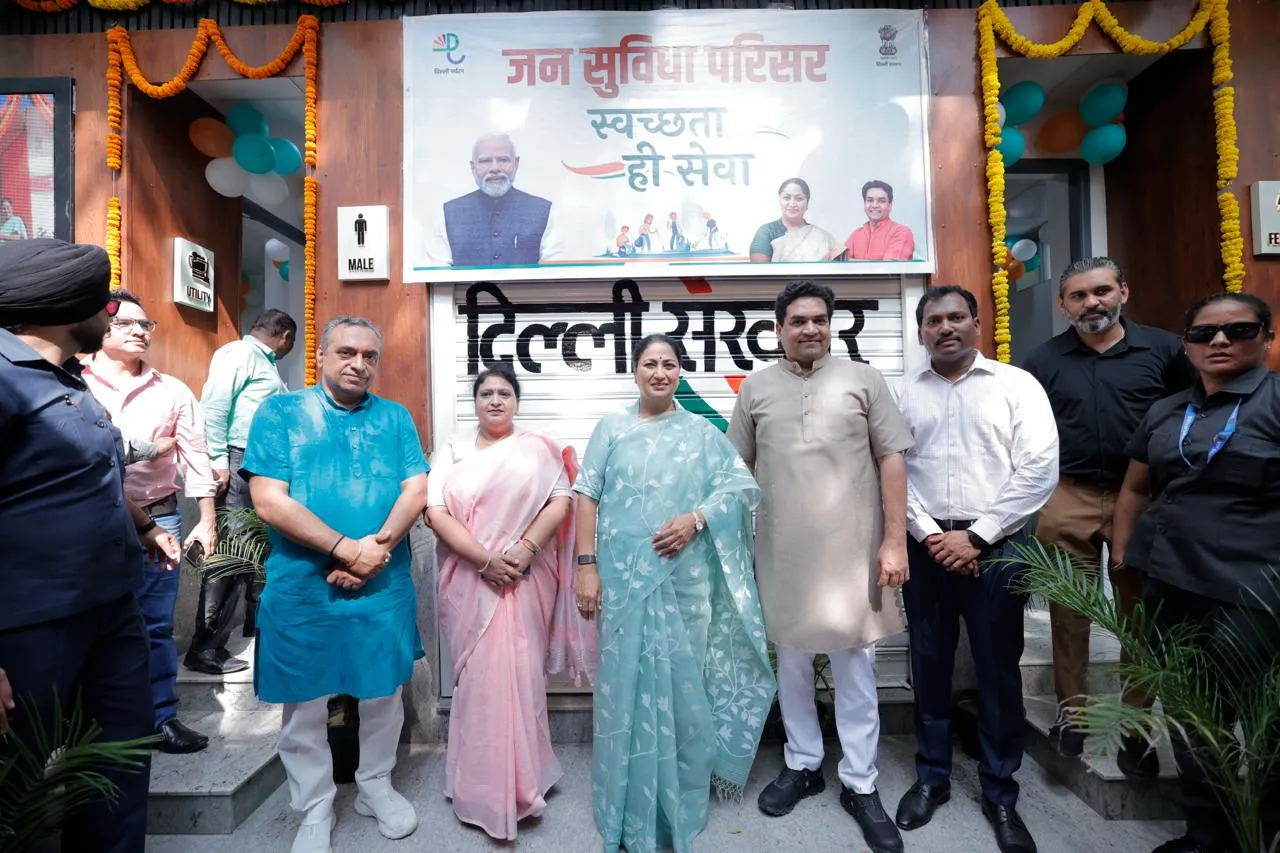




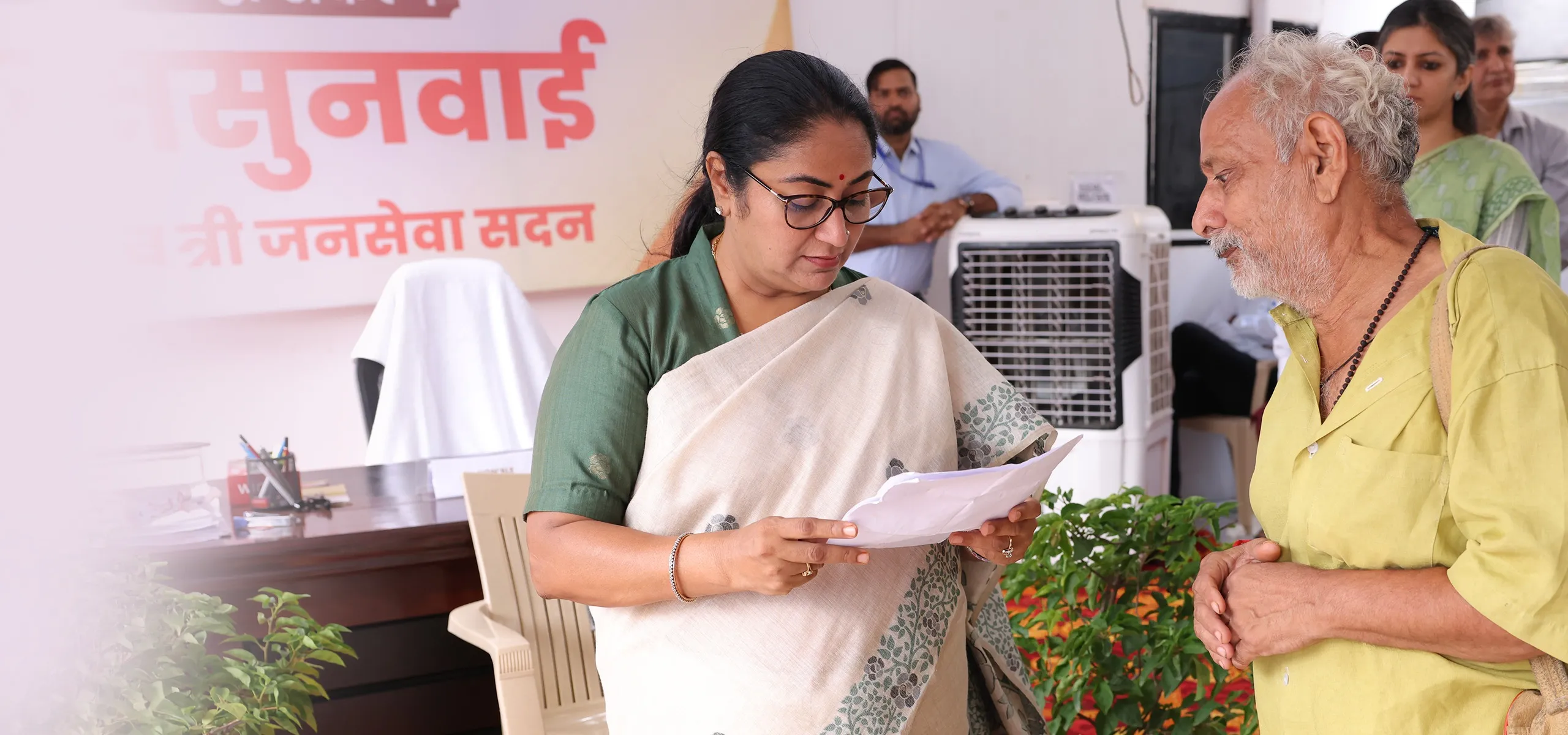
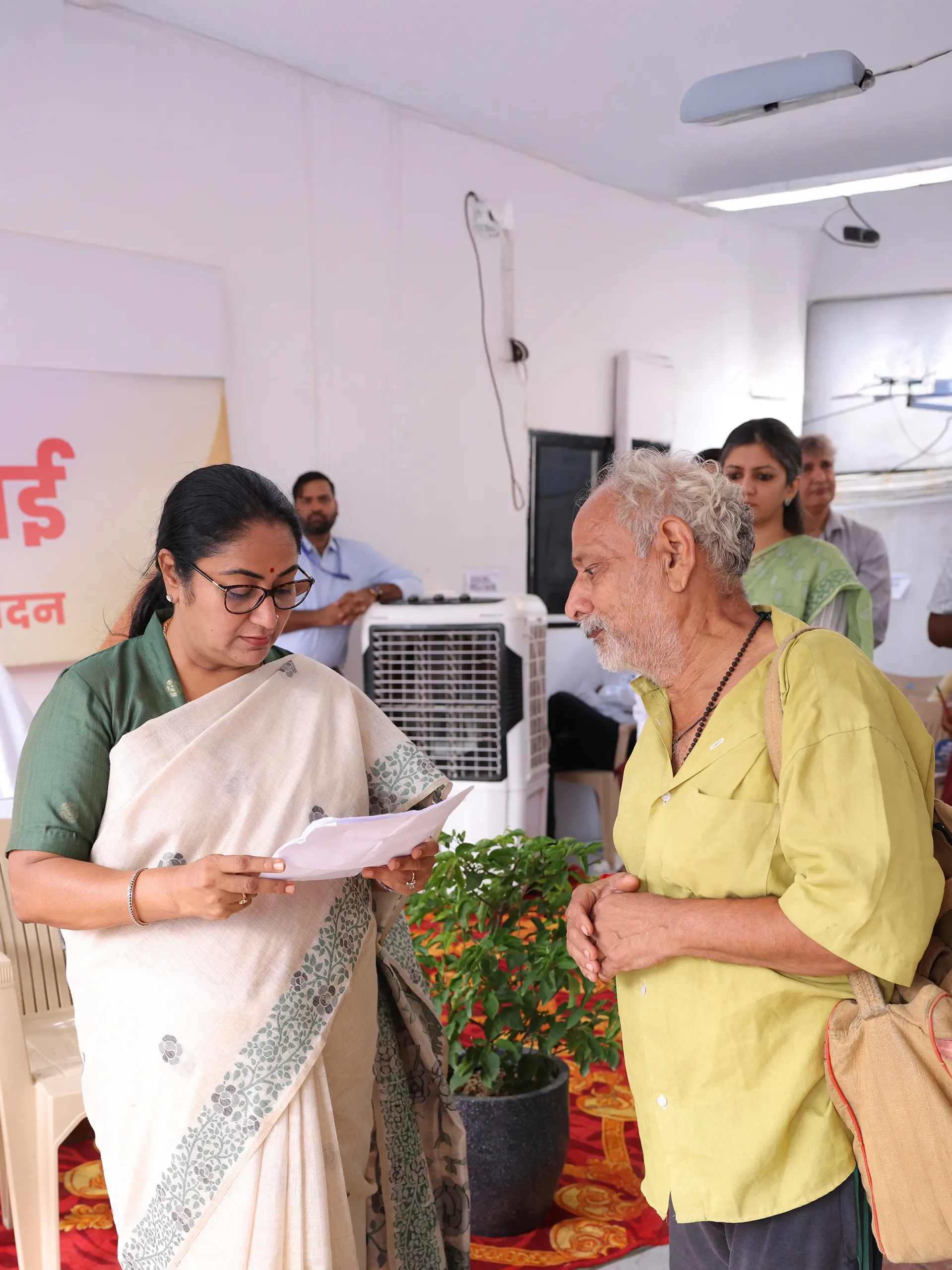
Committed to Serving Delhi with Dedication.
Here To Help
Jan Seva Sadan
Address
Jan Seva Sadan, 2/8,Raj Niwas Marg, Civil Lines,
New Delhi, Delhi – 110054