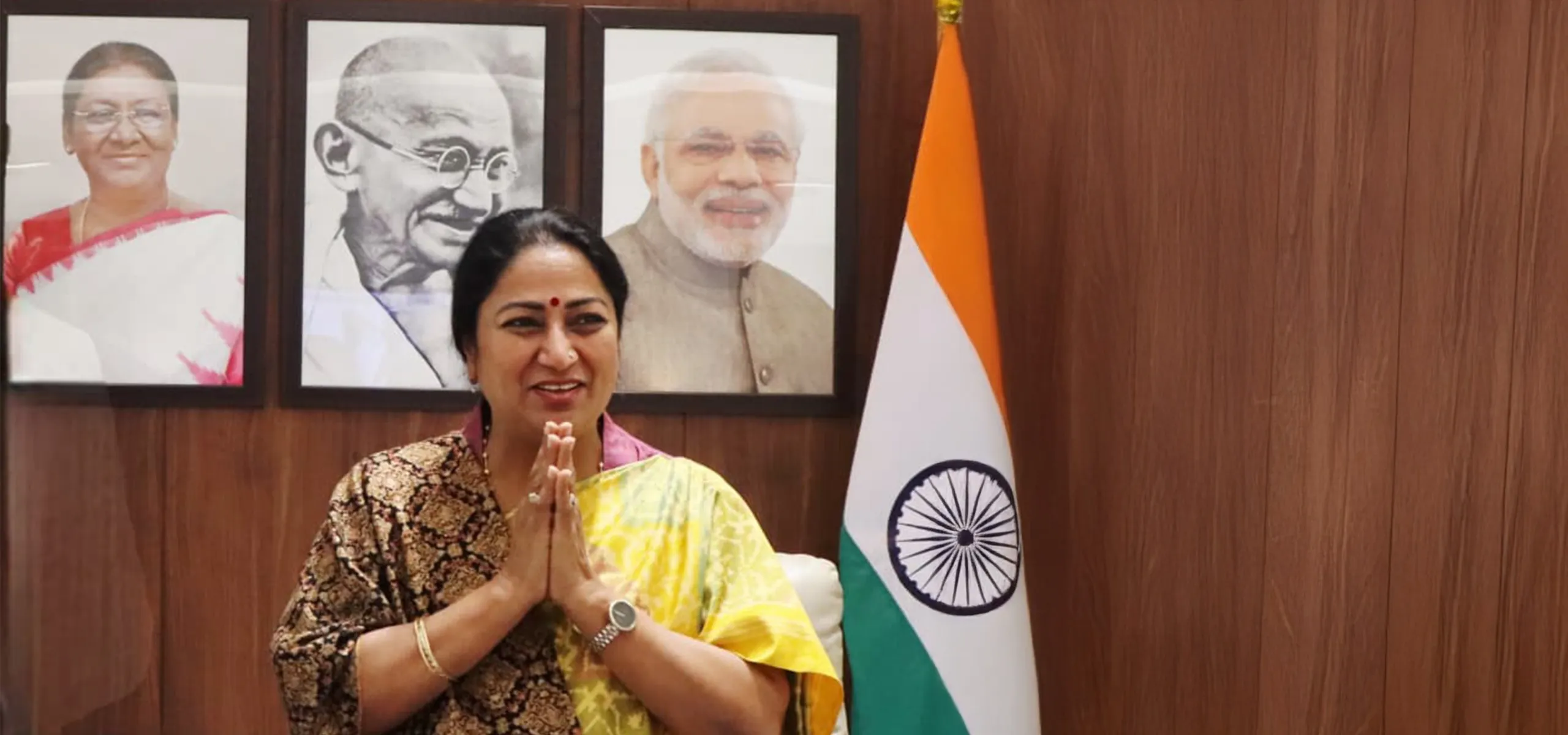
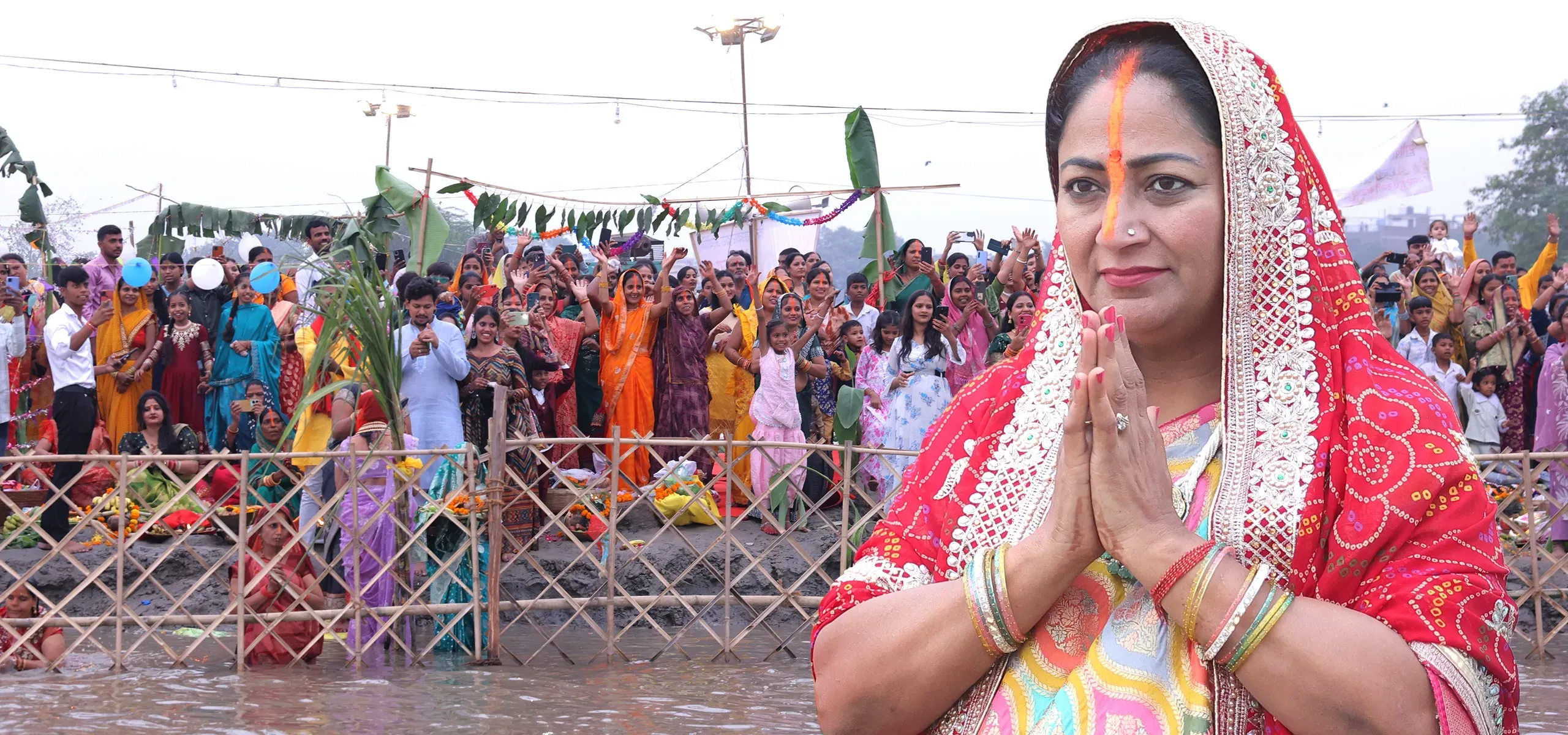

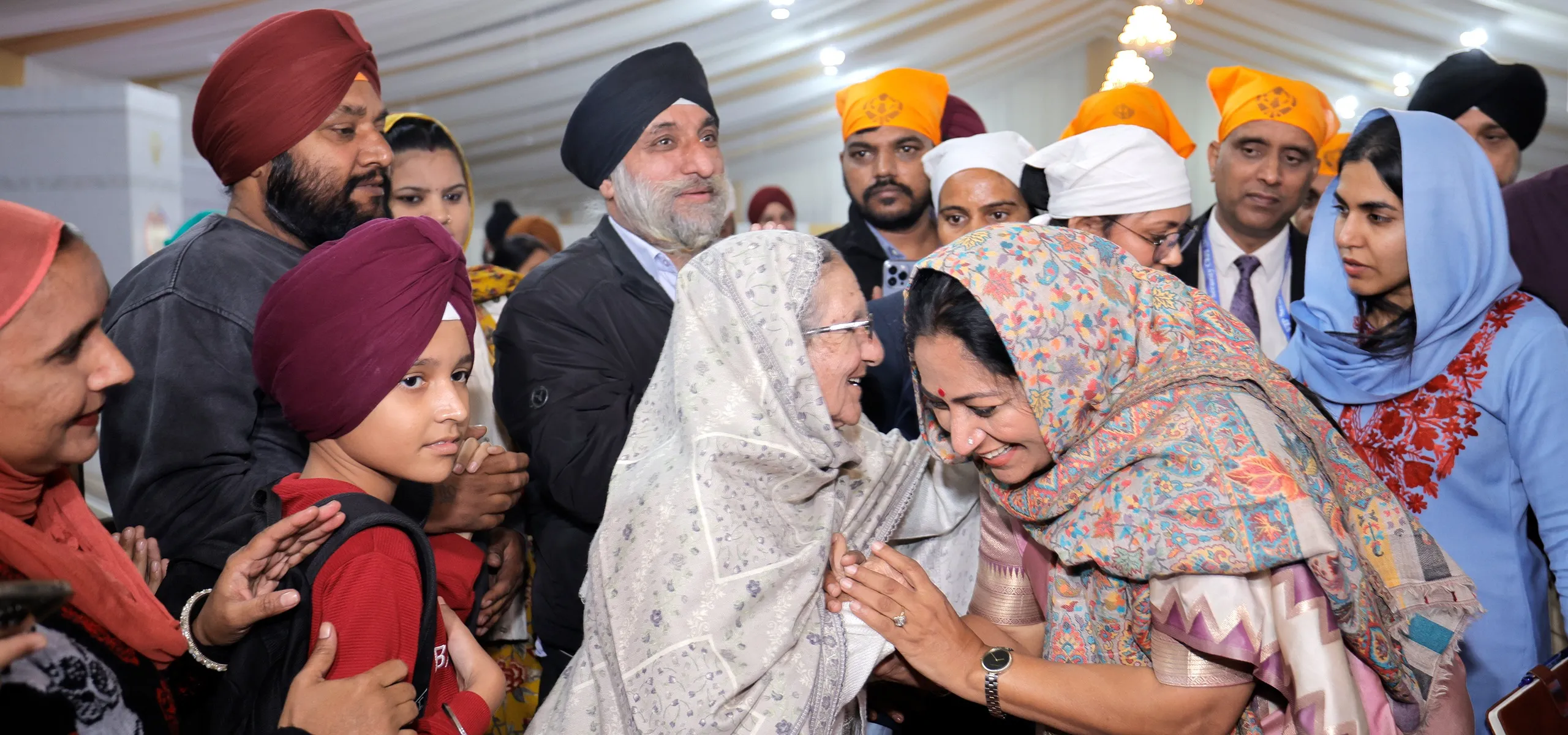
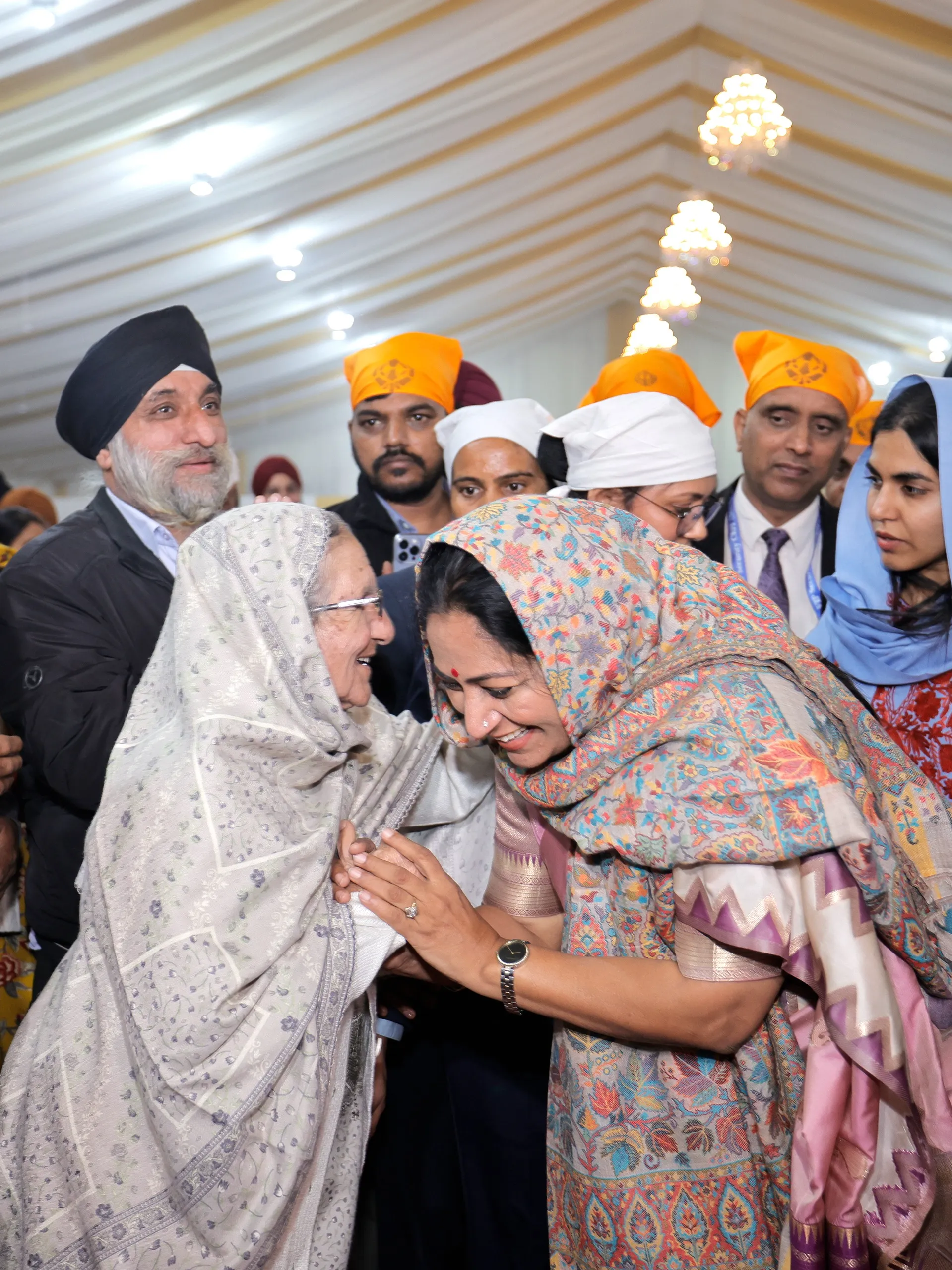
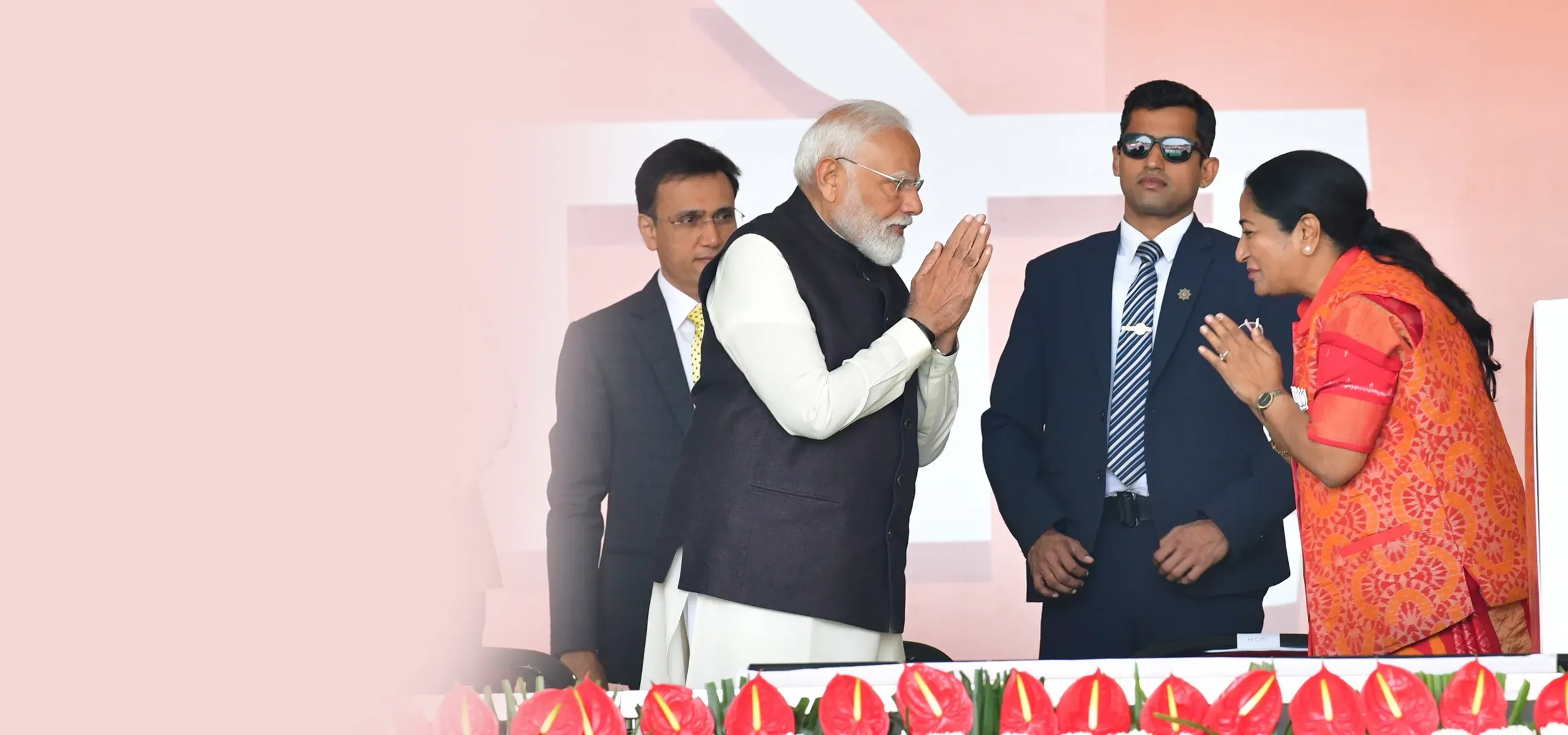
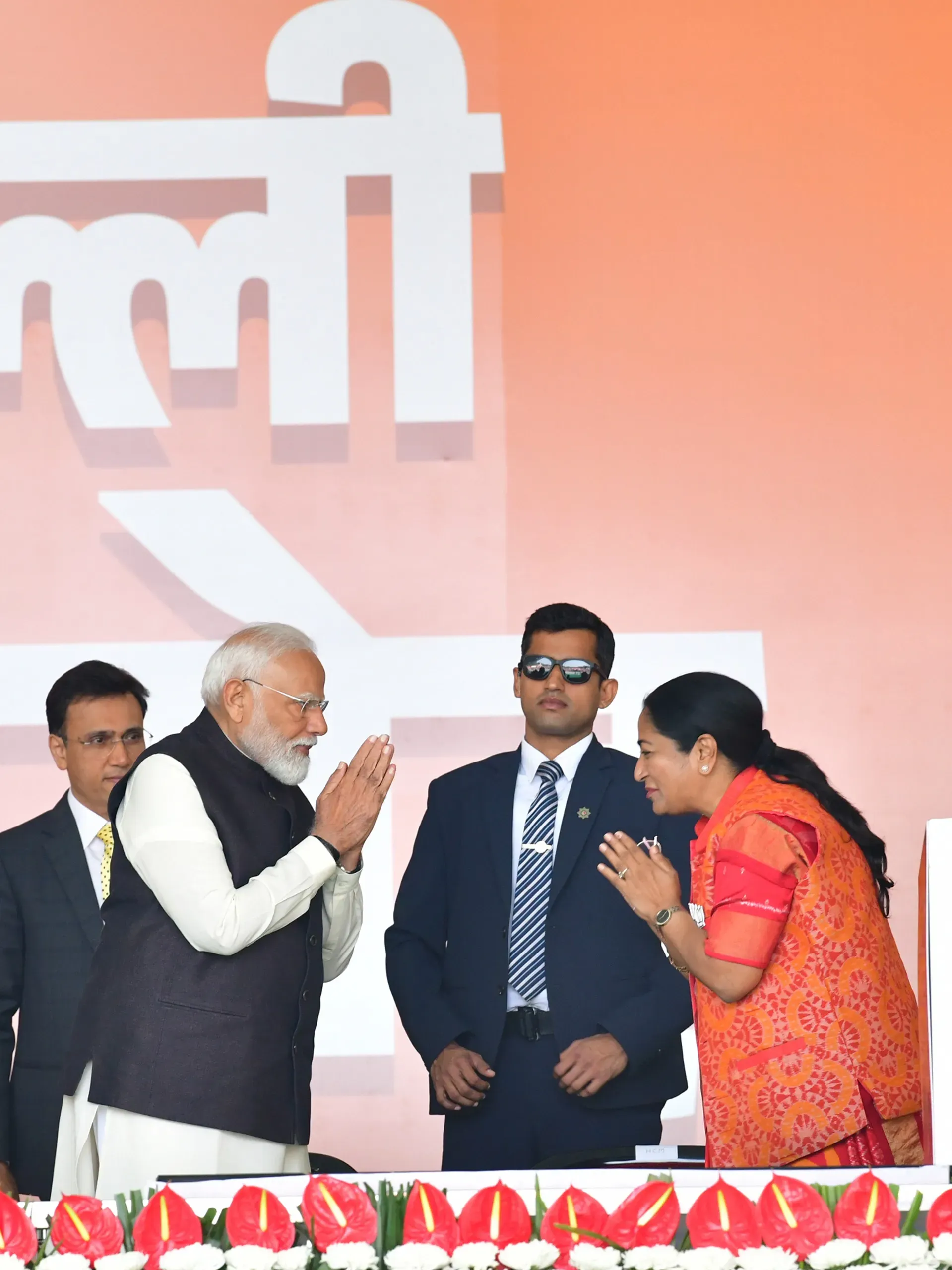
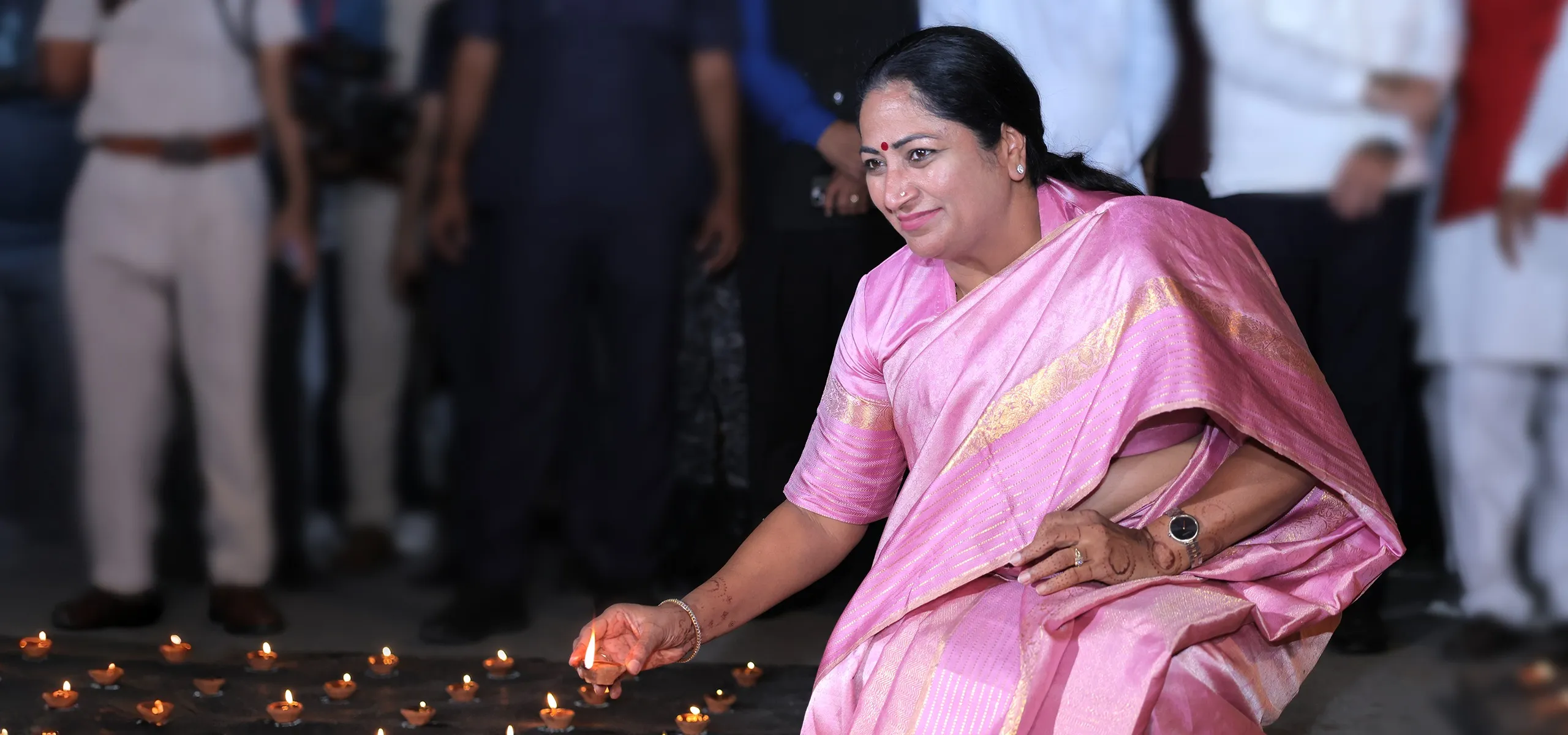
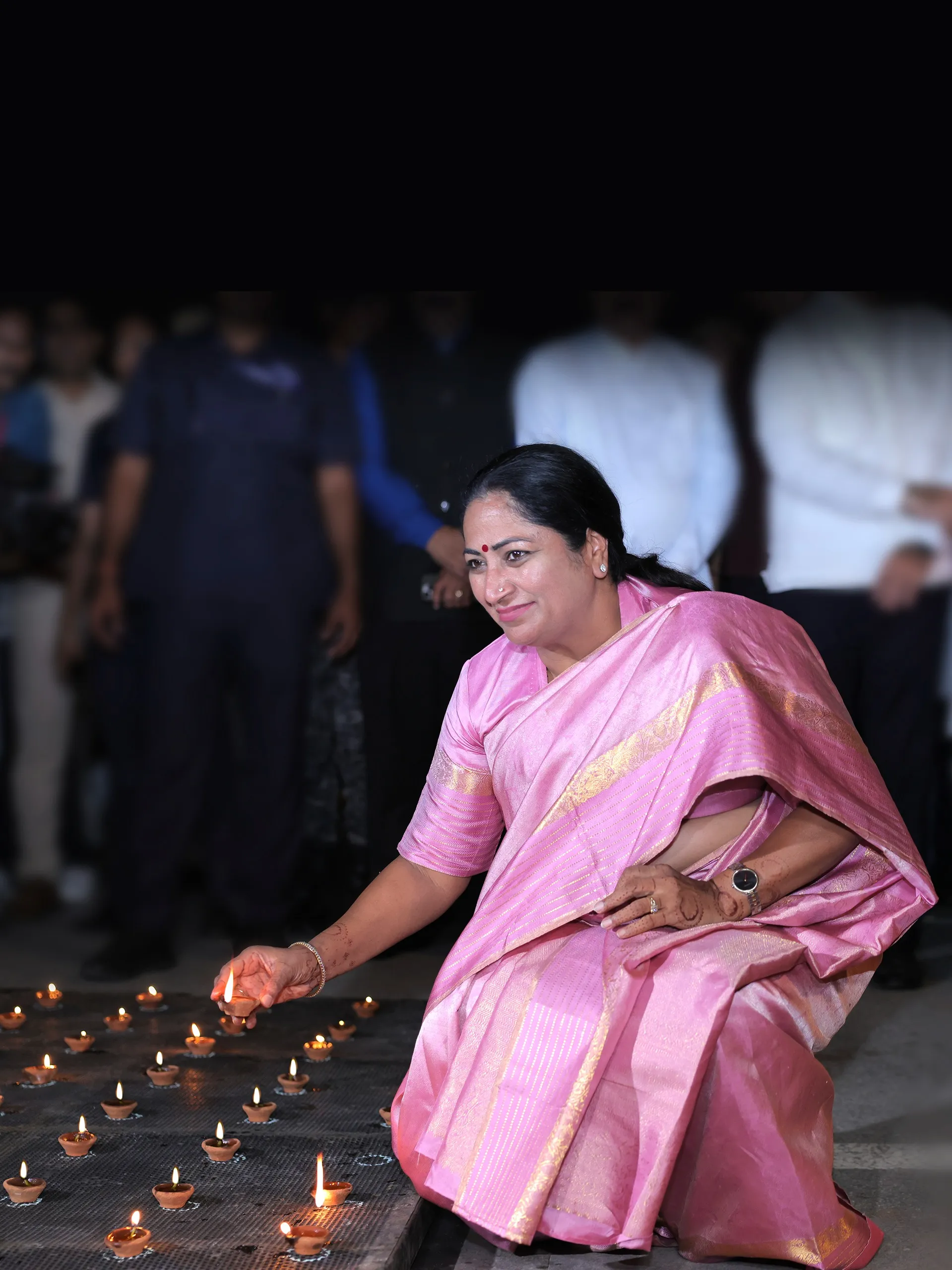
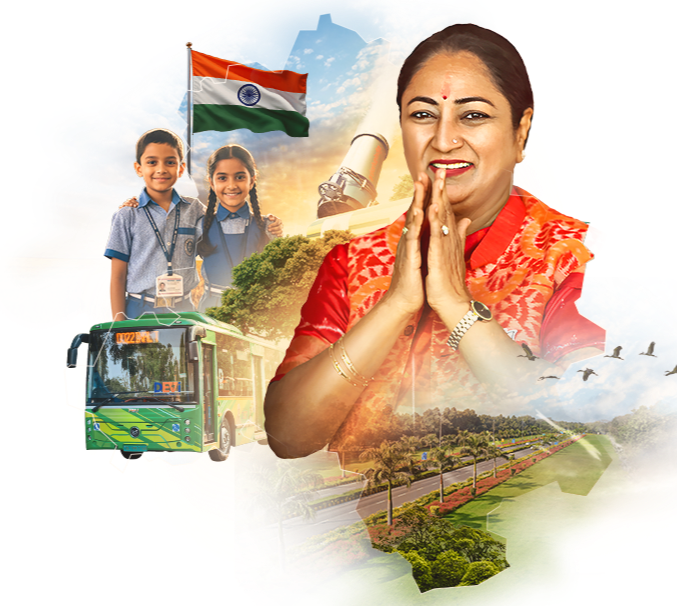
Rekha Gupta is currently serving as the 9th Chief Minister of Delhi, the capital of the country. Her tenure marks a historic moment, as it signifies the Bharatiya Janata Party’s return to power in the national capital after nearly three decades. Her elevation to this position represents the culmination of more than three decades of unwavering commitment to public service and dedicated political engagement at the grassroots, municipal, and state levels.
As Chief Minister, Rekha Gupta’s governance philosophy is closely aligned with the collective vision of Team Modi and is driven by a clear mission to make Delhi healthier, better educated, and more equitable. She firmly believes that the city must receive the rights, opportunities, and development it has long been denied. Her approach to leadership is rooted in tireless work, honesty in intent, and focus on tangible outcomes, reflecting her conviction that real development is achieved through consistent action on the ground rather than rhetoric or empty promises.
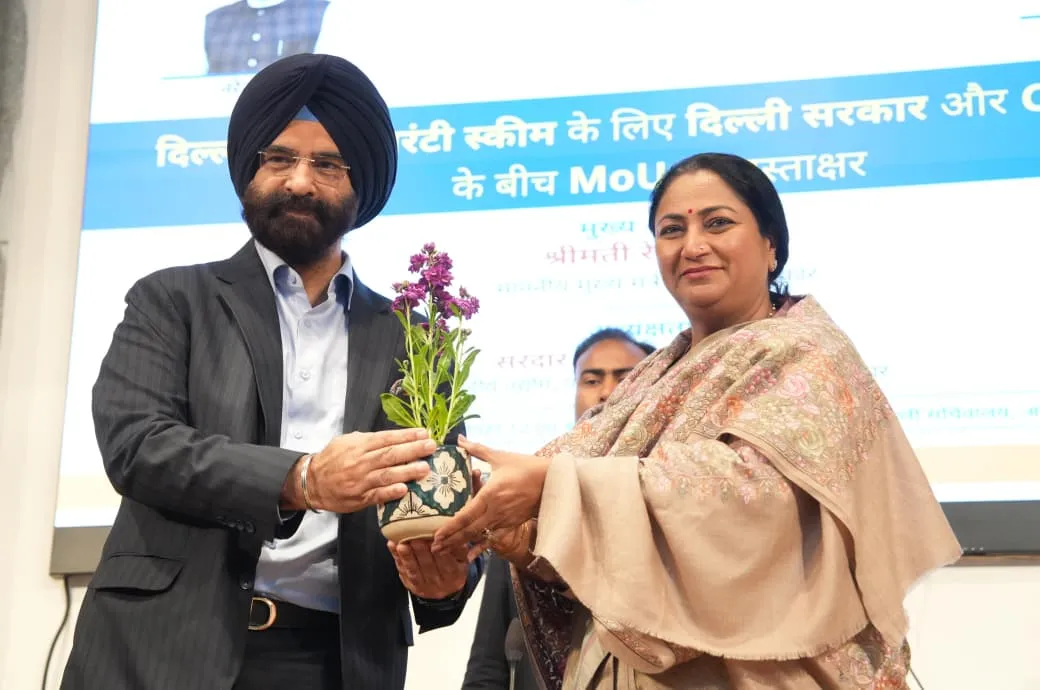
Under the leadership of Chief Minister Smt. Rekha Gupta, the Delhi Government signed a historic MoU with CGTMSE to launch the Delhi Credit Guarantee Scheme. Under this scheme, entrepreneurs in Delhi can avail loans of up to ₹10 crore without pledging any property or assets. The initiative removes one of the biggest hurdles faced by small business owners – lack of collateral. With government-backed guarantees, banks are encouraged to lend more confidently to start-ups, MSEs, and first-time entrepreneurs. The scheme covers multiple sectors and gives special support to youth and women entrepreneurs. Aligned with the vision of Viksit Bharat, this step will promote innovation, create jobs, and strengthen Delhi’s economy.
Read More...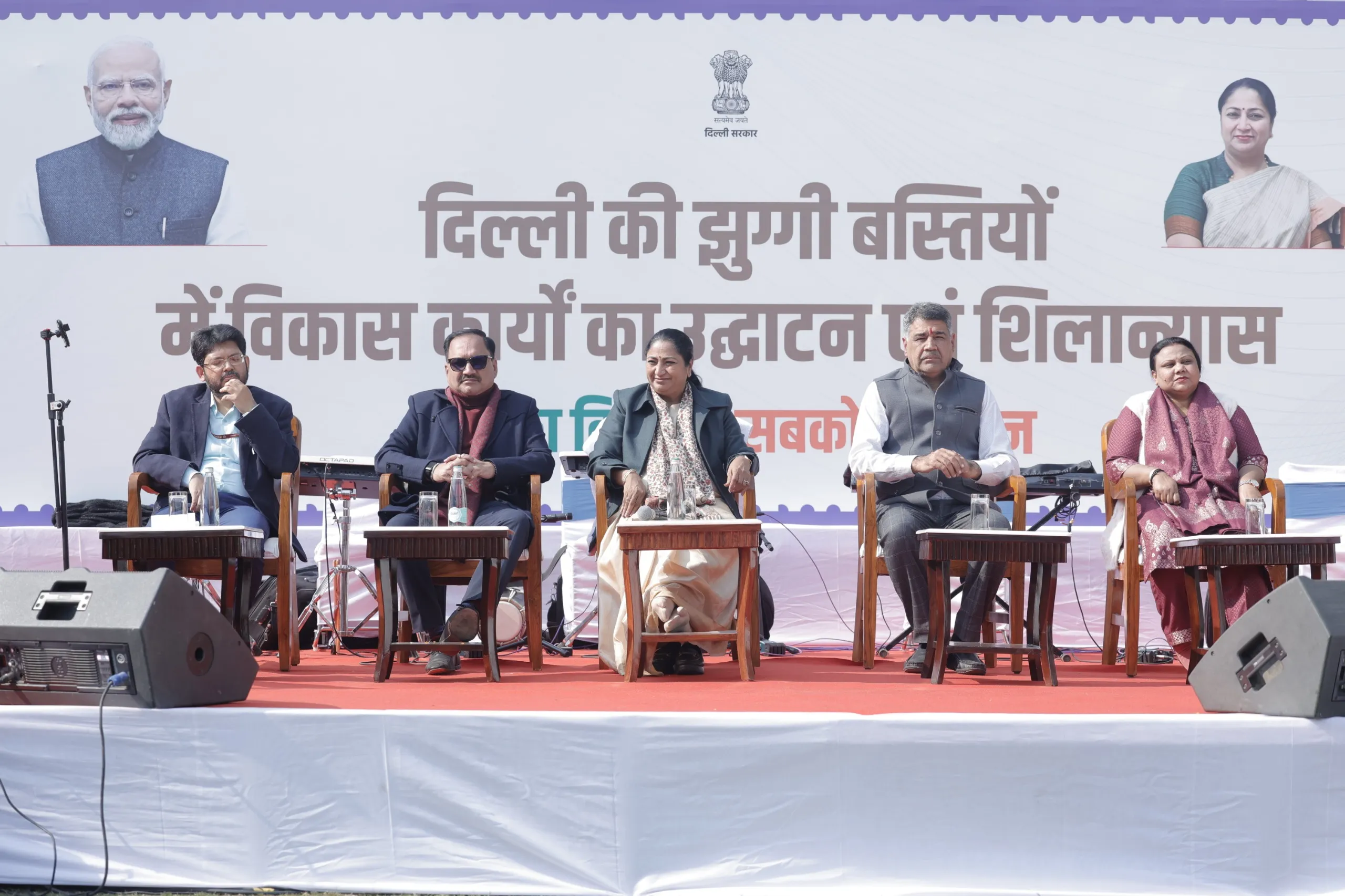
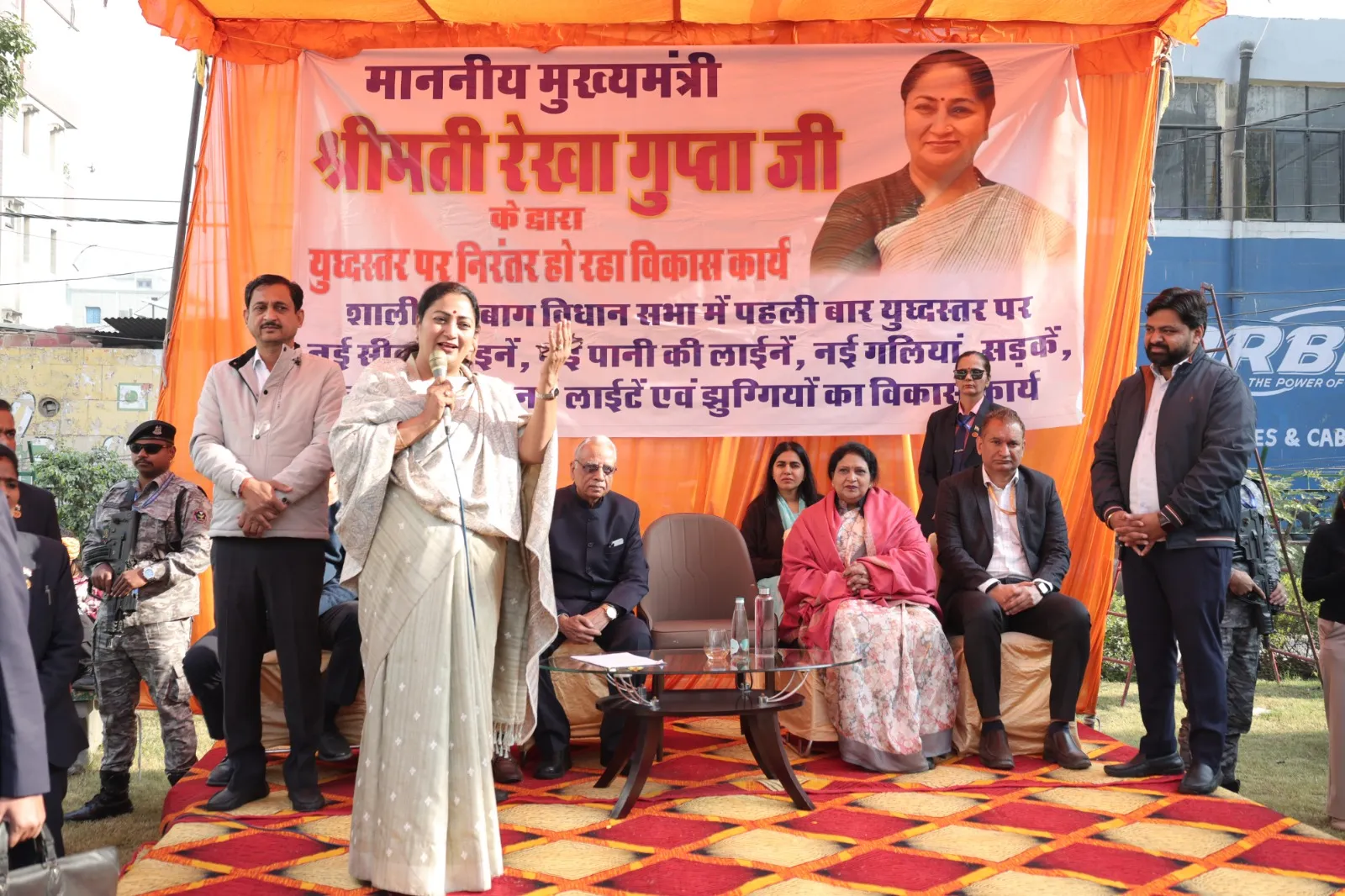
Marking Republic Day, Chief Minister Smt. Rekha Gupta approved ₹327 crore for JJ cluster projects, inaugurating works alongside community representatives. This vital investment in CC lanes and convenience complexes ensures residents are development partners. Significantly, dedicated facilities like Atal Canteens and Ayushman Arogya Mandirs are being ensured. Driven by the "double-engine" government and PM Modi’s vision of ‘Sabka Saath, Sabka Vikas, Sabka Vishwas and Sabka Prayas’, this initiative guarantees dignity and inclusive growth for the last mile.
Read More...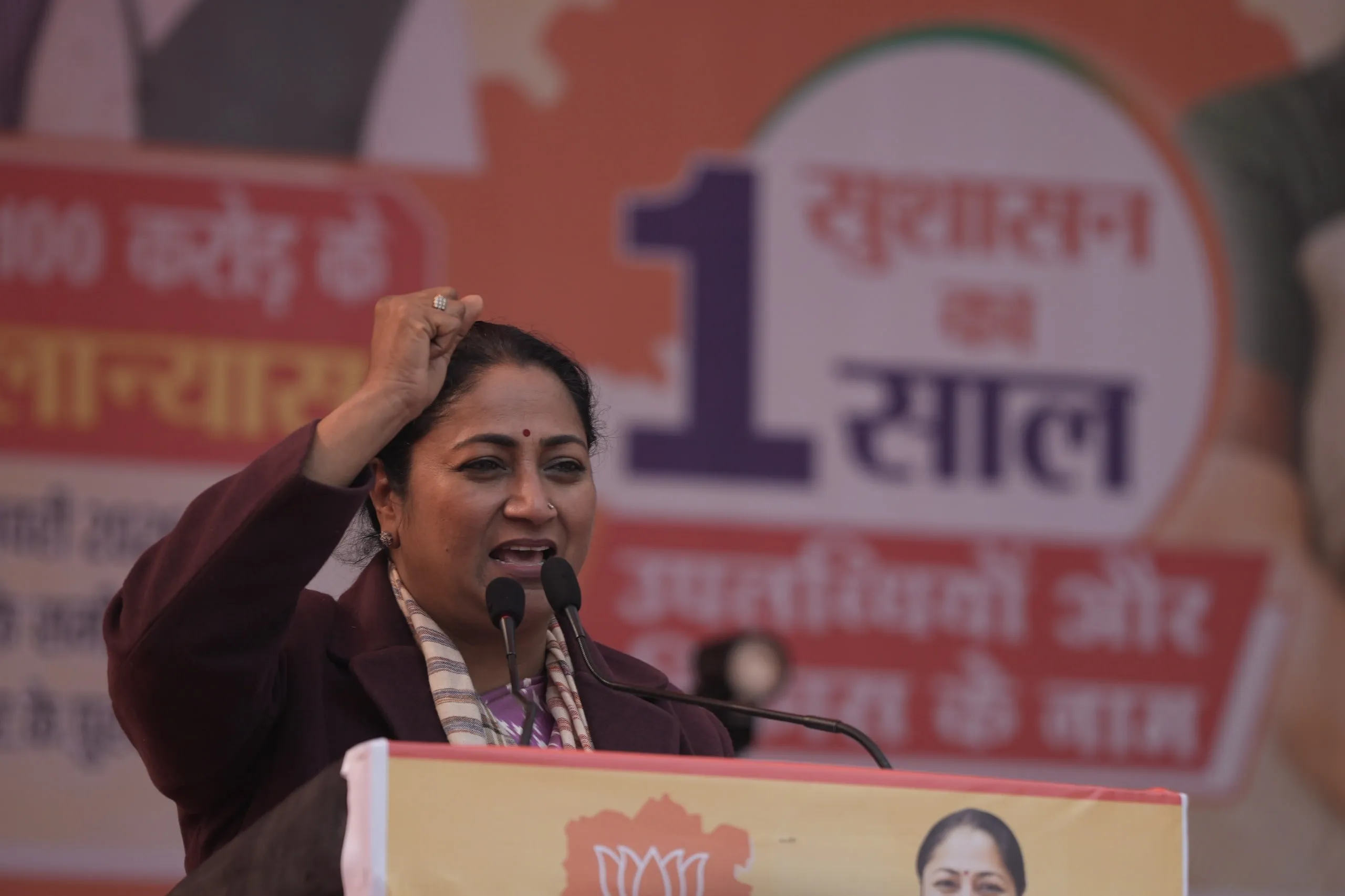
Under Chief Minister Smt. Rekha Gupta’s leadership, the Delhi Government is accelerating the capital’s growth with two major infrastructure pushes. In R.K. Puram, ₹100 crore has been sanctioned for roads, parks, and community centres to ensure dignified living for all residents. Separately, in Moti Nagar, projects worth ₹135 crore, including Foot Over Bridges and sewer upgrades, were launched to benefit over two lakh citizens. These initiatives, aligned with the ‘Clean Delhi, Beautiful Delhi’ vision, demonstrate a firm commitment to resolving civic issues and delivering world-class infrastructure across the capital.
Read More...
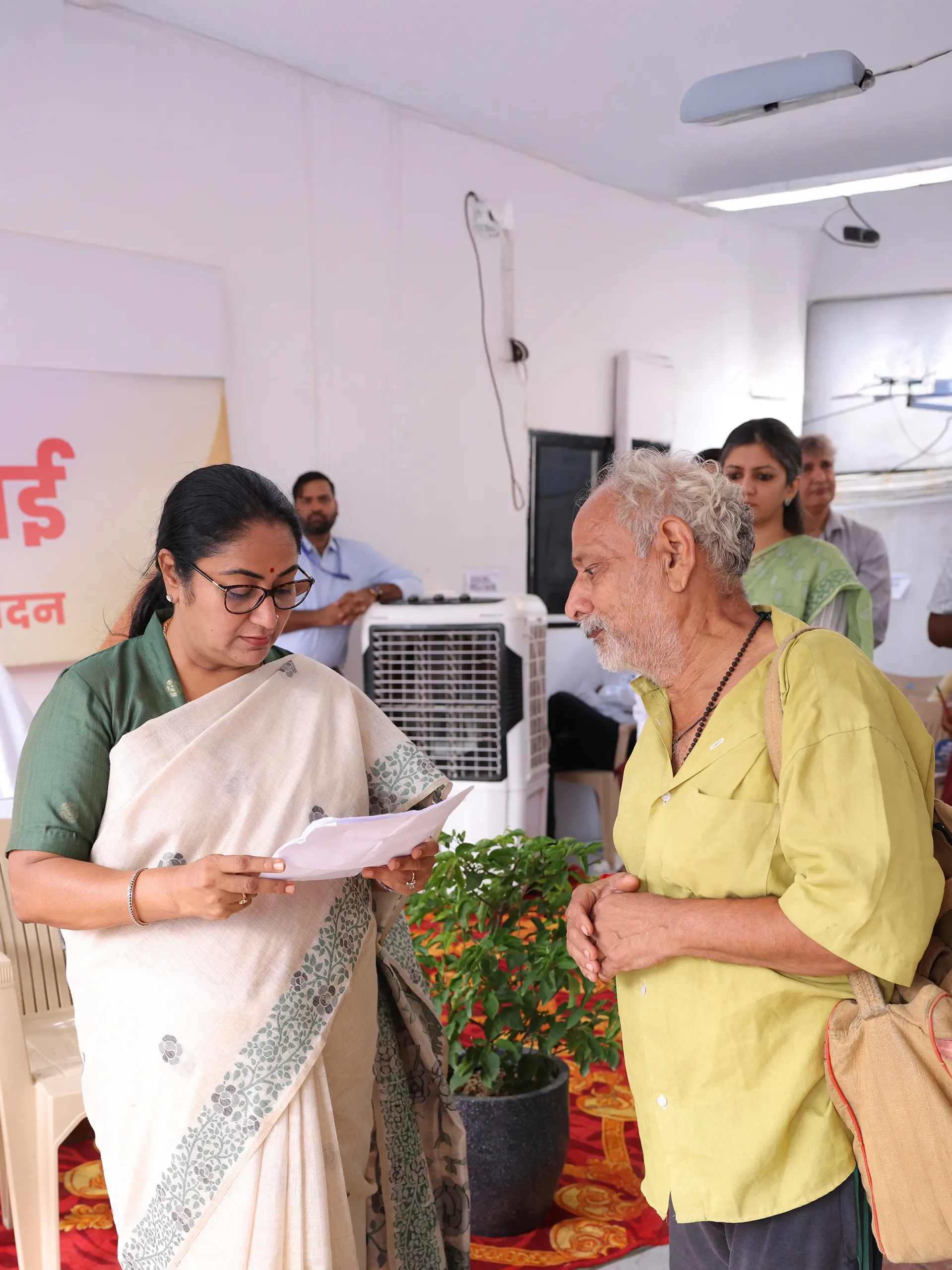
Committed to Serving
Delhi with Dedication


